Have you ever signed up for a fixed-rate electricity plan with a premier provider like APG&E, only to see an Oncor or CenterPoint truck parked down your street during a storm? If so, you are not alone. Many Texans wonder why they have to deal with two completely different entities to keep their lights on. While you buy your power from a retail provider, the physical infrastructure of the grid is managed by a completely different organization. Understanding what is a transmission and distribution service provider (TDSP) is the key to unlocking how your utility bill works and knowing who is actually delivering the physical power to your home.
Retail Electric Providers vs. TDSPs: Who Does What?
In the deregulated Texas energy market, the roles of selling electricity and delivering electricity are completely separate. A Retail Electric Provider (REP) is the company you choose to buy your energy supply from. They handle your billing, customer service, and contract structures. For instance, APG&E is a premier Texas REP known for offering structured bill predictability through plans like their popular 12-month fixed options. When you shop APG&E Texas electricity rates, you are securing a stable supply rate for your energy consumption.
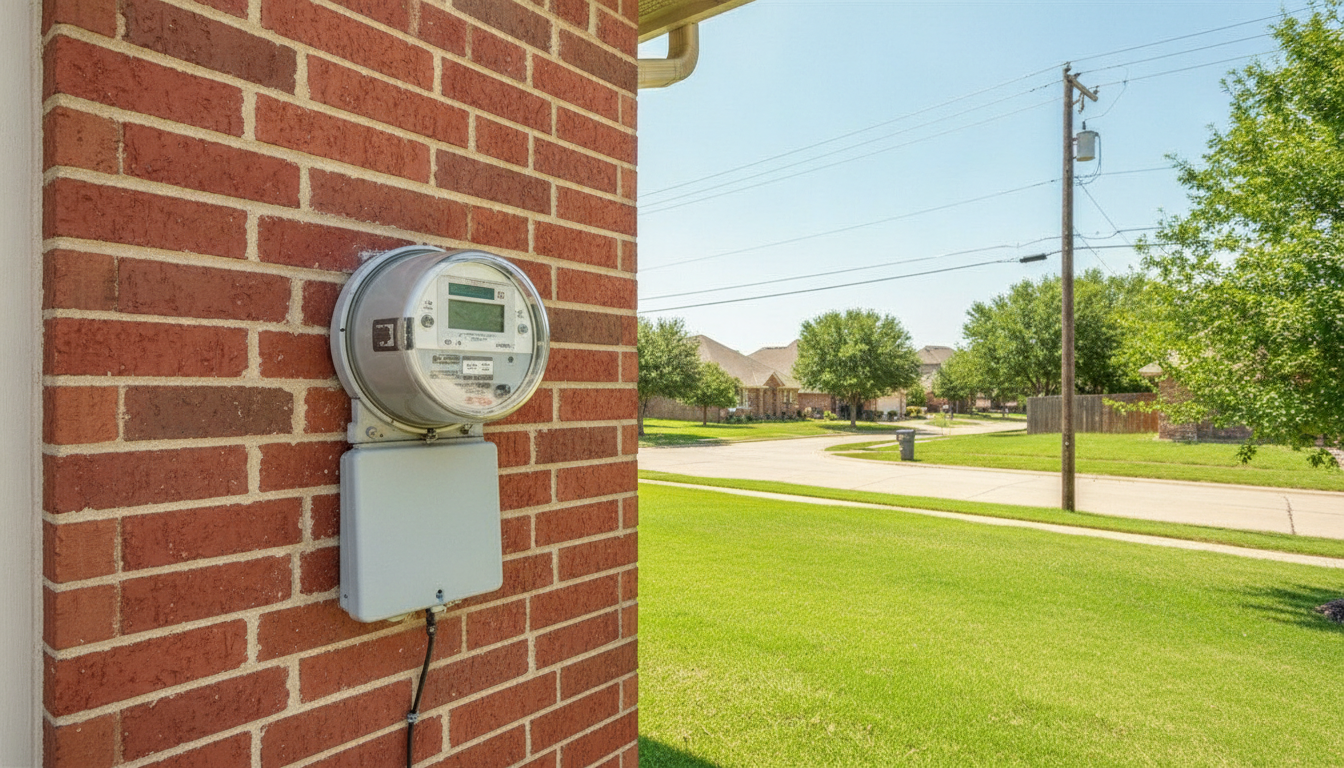
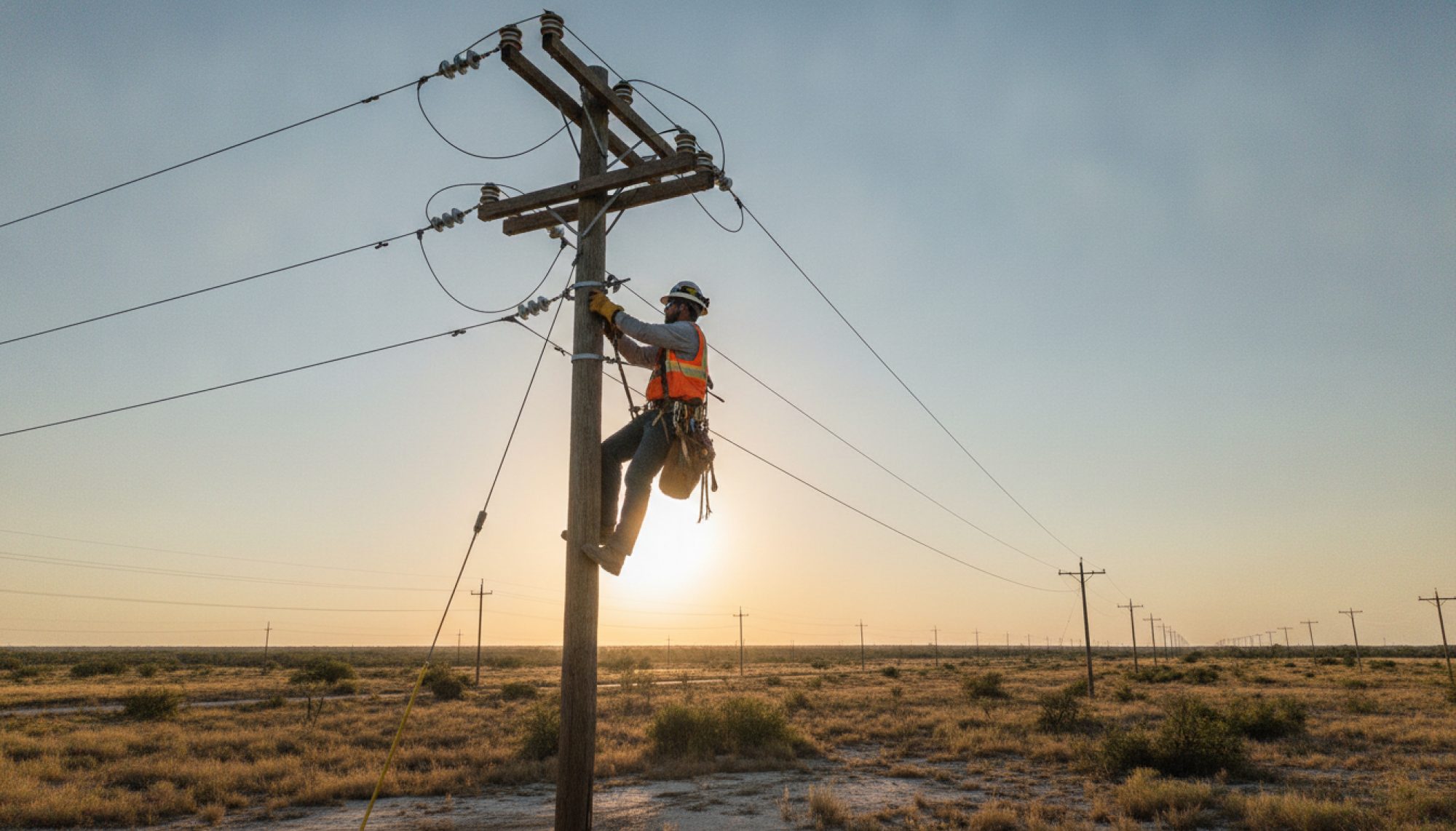
However, while APG&E establishes your fixed energy plan terms and supply structure for 12 months, your local TDSP remains the entity responsible for physically routing that electricity to your home meter. The TDSP (also commonly referred to as a Transmission and Distribution Utility, or TDU) owns the physical poles, wires, transformers, and smart meters. They are the ones who step in to restore power during a storm, repair downed lines, and read your meter every month to report your usage back to your REP.
The Geography of the Texas Grid: The Six Major Utility Territories
Unlike REPs, which compete for your business, TDSPs operate as regulated monopolies. You cannot choose your TDSP; your utility provider is determined entirely by the physical location of your home or business. There are six major TDSP territories across the ERCOT grid in Texas:
Oncor Electric Delivery
As the largest TDSP in Texas, Oncor services millions of customers across the Dallas-Fort Worth metroplex, parts of West Texas, and portions of Central Texas. If you live in Dallas, Waco, or Odessa, Oncor maintains the wires that deliver your APG&E power.
CenterPoint Energy
CenterPoint manages the transmission infrastructure for the Houston metropolitan area and surrounding Gulf Coast communities. From Galveston up to the northern suburbs of Houston, CenterPoint is the utility responsible for physical grid maintenance.
AEP Texas Central & AEP Texas North
American Electric Power (AEP) is split into two distinct divisions in Texas. AEP Central covers South Texas cities like Corpus Christi, McAllen, and Laredo. AEP North services parts of northern and western Texas, including Abilene and San Angelo. Both divisions maintain vast networks of rural and urban distribution lines.
Texas New-Mexico Power (TNMP)
TNMP services various pockets of Texas that are not contiguous. This includes communities near the Gulf Coast, areas northeast of Dallas-Fort Worth, and parts of West Texas. Despite its name, TNMP operates entirely within the Texas deregulated framework.
Lubbock Power & Light (LP&L)
The newest addition to the competitive Texas landscape, LP&L officially transitioned its customers into the deregulated ERCOT market. Residents in the Lubbock area can now choose competitive retail plans from providers like APG&E while relying on LP&L as their dedicated TDSP to maintain local neighborhood infrastructure.
Why Your TDSP Zone Matters When Shopping with ElectricityOne
Because each TDSP charges different regulated delivery fees, the total cost of your electric bill will vary depending on where you live. This is why having a trusted partner to guide you through the shopping process is so valuable. ElectricityOne acts as a prominent platform that connects residents and businesses with the finest Retail Electric Providers in the state while educating them on the role of their local utility.
With a commitment to transparency and consumer advocacy, ElectricityOne makes it easy to compare plans across all utility zones. Here is why Texas shoppers trust ElectricityOne:
- Over 20 Years of Experience: Providing reliable, quick, and courteous electric service recommendations for Texas homes and businesses.
- Meticulous Provider Selection: Partnering only with REPs that offer substantial cost savings, transparent disclosure of all fees, and long-term satisfaction.
- No Hidden Surprises: Ensuring that all TDU pass-through charges are clearly explained so you know exactly what is on your monthly statement.
Understanding Pass-Through Charges and Emergency Situations
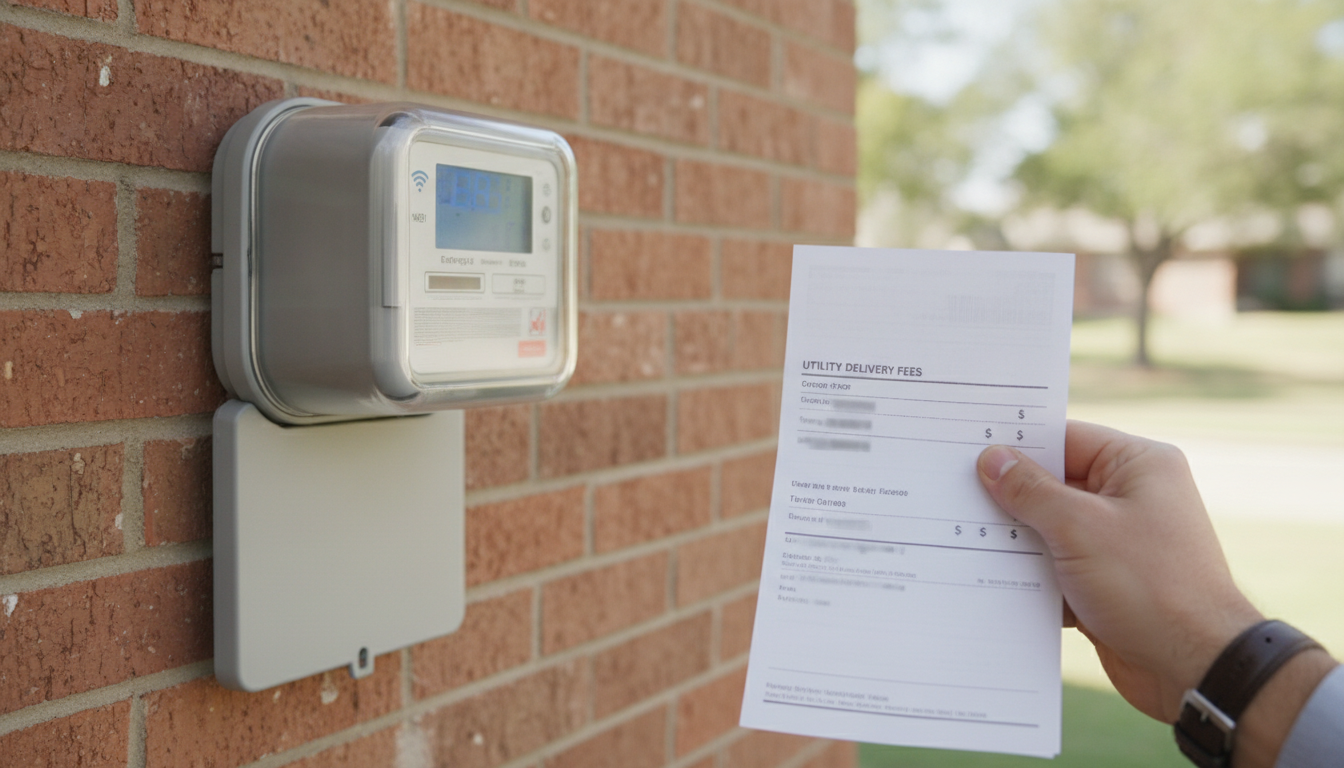
Every monthly electricity bill you receive will include TDSP delivery charges. These fees are fully regulated by the Public Utility Commission of Texas (PUCT) and are updated twice a year. Because these are pass-through charges, they are passed directly from the utility to you via your REP’s bill without any markup. Whether you choose a traditional fixed-rate plan or a structure with bill credits, these delivery charges will always apply to cover the cost of maintaining the physical grid.
Crucially, knowing your TDSP is also your safety net. If your lights go out, or if you spot a dangerous downed power line, you should not call your retail provider. Because APG&E only manages your retail account and supply terms, they do not have crews to dispatch for physical repairs. In any outage emergency, you must contact your local TDSP directly for the fastest response and restoration times.
Ready to find the best energy plan for your specific utility delivery area? Call 1.844.567.2863 today to speak with our Texas energy experts.
Frequently Asked Questions
Can I switch my TDSP if I am unhappy with their service?
No. Unlike your Retail Electric Provider, you cannot choose or switch your TDSP. Your utility provider is determined strictly by the physical geography of where your home or business is located.
Do TDSP delivery charges stay the same all year?
TDSP charges are approved and regulated by the Public Utility Commission of Texas. While they do not change daily, they are typically adjusted twice a year (usually in March and September) to account for grid maintenance costs and infrastructure updates.
Why does my APG&E bill show charges from Oncor or CenterPoint?
These are standard, regulated pass-through fees. Your retail provider collects these delivery charges on behalf of your local utility to pay for the physical transport of electricity over the poles and wires to your home.