
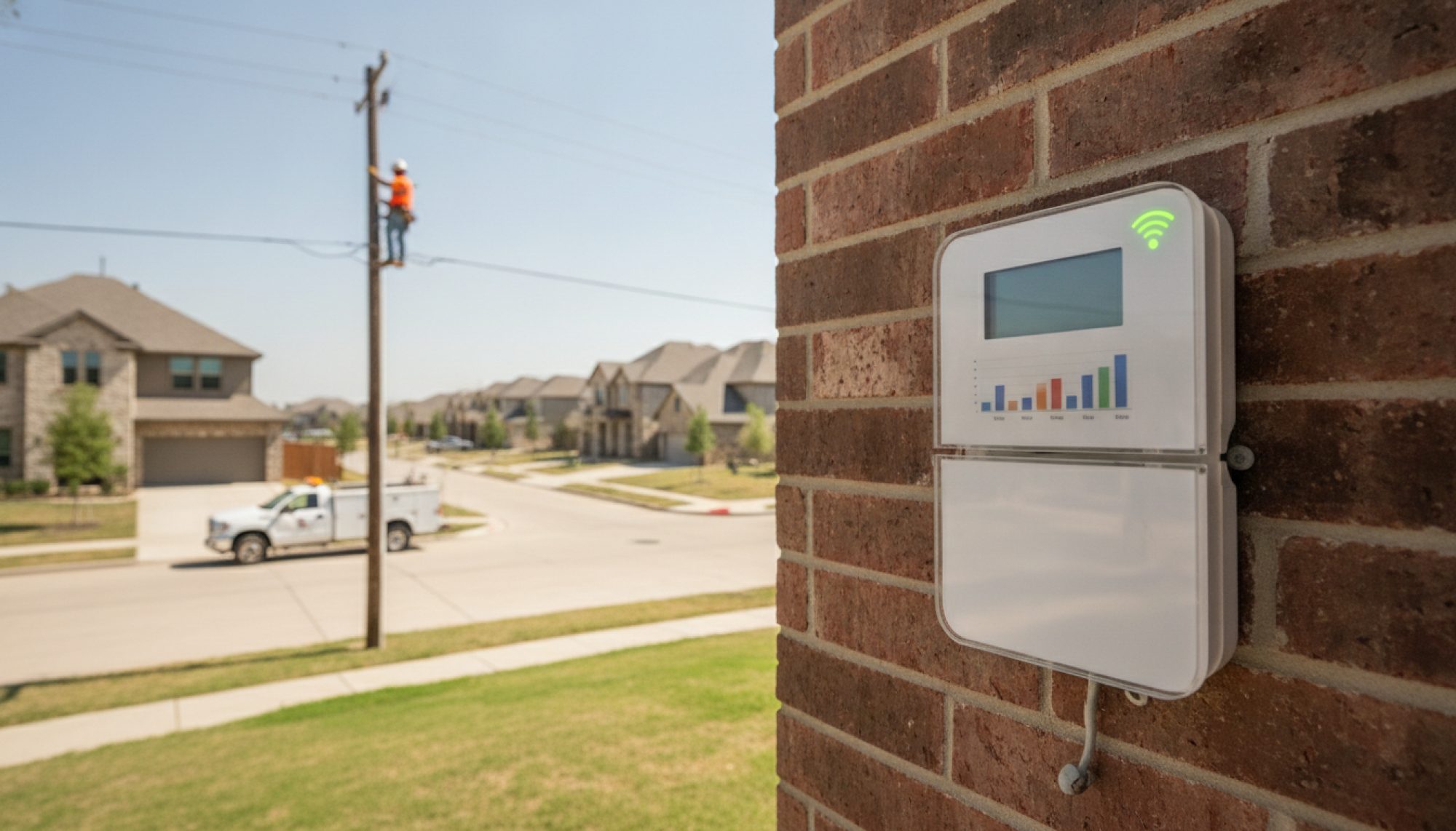
If you live in Dallas-Fort Worth, Waco, Tyler, or Midland, you are likely one of the 13 million Texans residing within the massive Oncor Electric Delivery service territory. As the largest Transmission and Distribution Utility (TDU) in Texas, Oncor maintains the physical infrastructure—the poles, wires, and smart meters—that delivers electricity to over 400 communities. Yet, many residents open their monthly electric bills only to be confused by a series of line items that seem separate from their chosen electricity plan. To truly take control of your energy budget, it is essential to have these oncor delivery charges explained so you know exactly what you are paying for.
## The Two Halves of Your Texas Electricity Bill
In the deregulated Texas energy market, your electric bill is divided into two primary components: the charges from your Retail Electric Provider (REP) and the charges from your Transmission and Distribution Utility (TDU), which is Oncor.
What is a Retail Electric Provider (REP)?
Your REP is the company you choose to buy your electricity from. They handle your billing, customer service, and the specific energy plan you sign up for (such as a fixed-rate or variable-rate plan).
What is Oncor’s Role?
Oncor is the utility company that actually delivers the power to your home. No matter which REP you choose to buy your electricity from, Oncor remains the entity responsible for maintaining the grid, fixing downed power lines during storms, and reading your meter. Because they own and service the physical infrastructure, they charge a regulated fee for this service, which is passed through to your bill.
## Understanding PUCT-Regulated Pass-Through Charges
The fees charged by Oncor are approved and regulated by the Public Utility Commission of Texas (PUCT). These are not arbitrary fees tacked on by your REP; they are standard, non-negotiable costs that every electricity customer in the Oncor service area must pay.
Fixed Monthly Utility Fees
This is a flat monthly charge that covers the administrative costs of maintaining your connection to the grid. Regardless of how much electricity you consume during the month, this fee remains constant.
Volumetric Distribution Charges
Unlike the flat monthly fee, this charge is based on your actual energy consumption. It is calculated on a cost-per-kilowatt-hour basis. The more electricity you use, the higher this portion of the delivery charge will be. This fee directly funds the upkeep of the local power lines and transformers that bring electricity into your home.
Transition and System Restoration Charges
From time to time, you may see temporary charges designed to recover costs from major grid upgrades or severe weather restoration efforts. These charges ensure that the grid remains resilient and reliable for all North and West Texas residents.
## How ElectricityOne Helps You Navigate Your Energy Choices
Shopping for electricity in Texas can feel overwhelming, especially when trying to calculate how delivery fees impact your overall monthly cost. That is where ElectricityOne comes in. With over 20 years of experience providing reliable, quick, and courteous electric service for Texas homes and businesses, we simplify the shopping process.
Our platform connects DFW and Central/West Texas residents with the finest Retail Electric Providers operating within the Oncor utility zone through a meticulous selection process that ensures:
- Substantial Cost Savings: We help you compare plans to find competitive rates that fit your household budget.
- Transparent Cost Disclosures: No hidden surprises. We ensure all REP plans clearly disclose how Oncor pass-through charges will affect your total bill.
- Long-Term Satisfaction: We partner only with reputable, highly-rated REPs to guarantee peace of mind and excellent customer service.
## Managing Your Energy Budget and Knowing Who to Call
By understanding how Oncor delivery charges are structured, you can better analyze your monthly bill and identify ways to save, such as reducing your overall energy consumption during peak periods. It is also important to remember who does what. While you should contact your REP for billing questions or plan changes, you must contact Oncor directly to report a local power outage, a flickering light, or a downed power line emergency in the DFW Metroplex.
Ready to find the best energy plan for your Oncor delivery area? Call 1.844.567.2863 today to speak with our Texas energy experts.
### Frequently Asked Questions
Can I choose a different utility company to avoid Oncor delivery charges?
No. While you have the power to choose your Retail Electric Provider (REP) in deregulated areas of Texas, utility territories are geographically fixed. If you live in the Oncor service area, Oncor is the sole utility responsible for delivering your power, and their PUCT-regulated delivery charges will apply regardless of which REP you select.
Do Oncor delivery charges change throughout the year?
Yes. Oncor’s delivery rates are approved by the Public Utility Commission of Texas (PUCT) and typically adjust twice a year (usually in March and September). These adjustments reflect the shifting costs of maintaining and upgrading the physical electrical grid across Texas.
How do I see the breakdown of Oncor charges on my monthly bill?
Most Retail Electric Providers will list Oncor’s charges as a separate line item labeled “TDU Delivery Charges,” “TDU Pass-Through Charges,” or “Oncor Delivery Charges.” Some plans bundle these fees into your overall cents-per-kWh rate, so it is always wise to review your Electricity Facts Label (EFL) to see the exact breakdown.