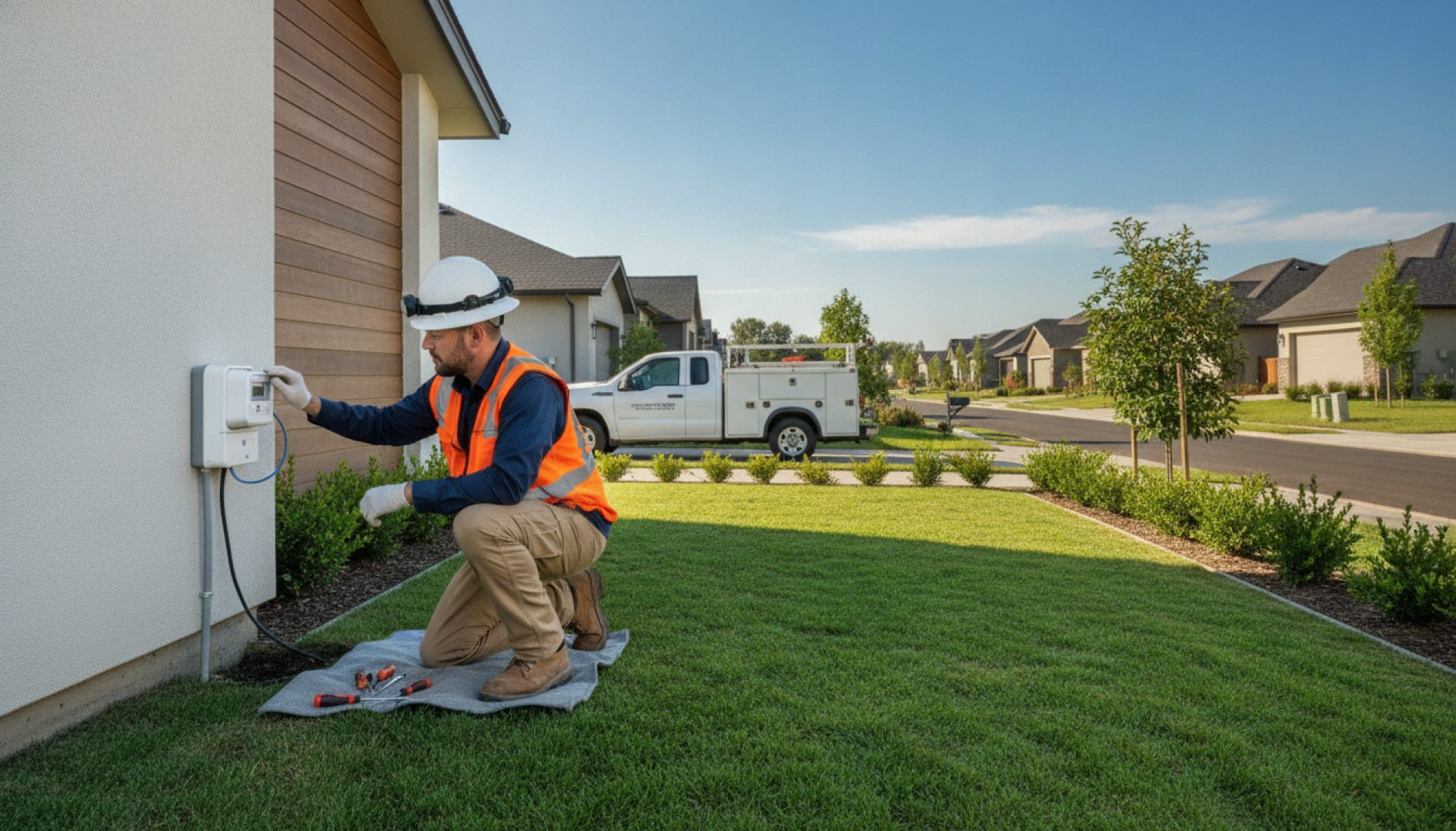
When you shop for an electricity plan in the Lone Star State, you might choose an innovative, fixed-rate plan from a premier Retail Electric Provider (REP) like APG&E. But when a severe thunderstorm rolls through your neighborhood and a fallen tree limb knocks out a power line, it is not an APG&E truck you see rolling down your street to make repairs. Instead, it is a utility vehicle branded with Oncor, CenterPoint, or another local utility. This division of labor often leaves Texas residents scratching their heads, wondering why two completely different companies are involved in keeping their lights on.
Retail Electric Providers vs. Utilities: Who Does What?
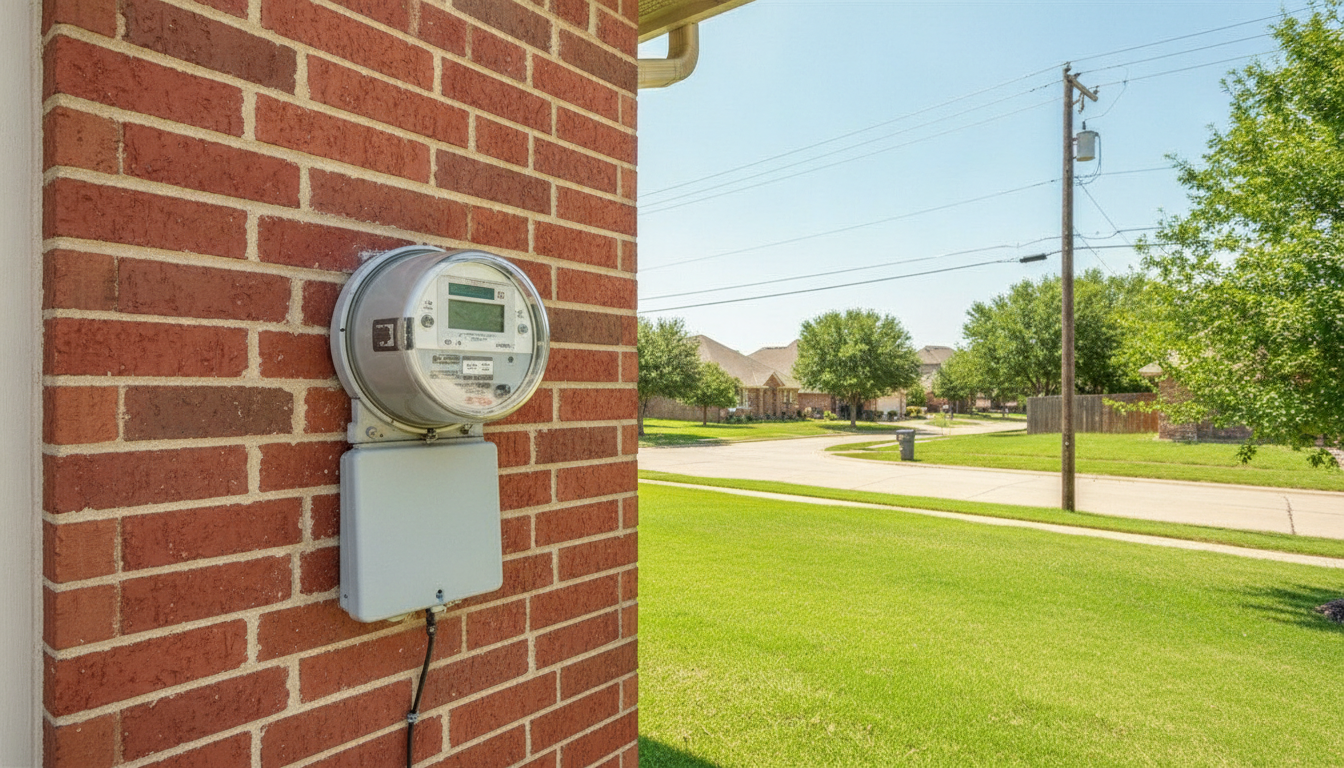
To truly understand how electricity reaches your home and how your monthly bill is calculated, you must first ask, what is a transmission and distribution service provider? Often abbreviated as TDSP or TDU, this entity is the utility company that owns and maintains the physical infrastructure of the electrical grid. This includes the high-voltage transmission lines, neighborhood poles, local wires, and the smart meters attached to the side of your home.
In contrast, a Retail Electric Provider (REP) is the customer-facing business that sells you the actual electricity. REPs buy wholesale electricity from generators and package it into retail plans for consumers. Your REP manages your account, sends your monthly statement, and provides customer service. While you have the freedom to choose your REP in the deregulated areas of Texas, you cannot choose your TDSP. Your utility is determined strictly by the physical location of your home or business.
The Six Major Texas Utility Companies
The deregulated Texas electricity market overseen by the Electric Reliability Council of Texas (ERCOT) is divided into distinct geographic service territories managed by six major utility companies:
- Oncor: The largest TDSP in Texas, serving millions of customers across Dallas-Fort Worth, West Texas, and parts of Central Texas.
- CenterPoint Energy: Responsible for maintaining the grid in the Houston metropolitan area and surrounding coastal communities.
- AEP Texas Central: Services the southern portion of the state, including Corpus Christi, Laredo, and the Rio Grande Valley.
- AEP Texas North: Covers northern and western communities such as Abilene, San Angelo, and Alpine.
- Texas New-Mexico Power (TNMP): Operates in scattered pockets across the state, including portions of the Gulf Coast, North Texas, and West Texas.
- Lubbock Power & Light (LP&L): The newest addition to the competitive ERCOT landscape, having successfully transitioned its customers into the deregulated market.
How APG&E and the SimpleSaver 12 Plan Fit Into Your Grid Zone
No matter which of these six utility territories your home sits in, you can choose a reputable REP like APG&E to supply your energy. APG&E is widely recognized for its commitment to structured bill predictability and customer satisfaction. A prime example of this commitment is their popular SimpleSaver 12 plan.
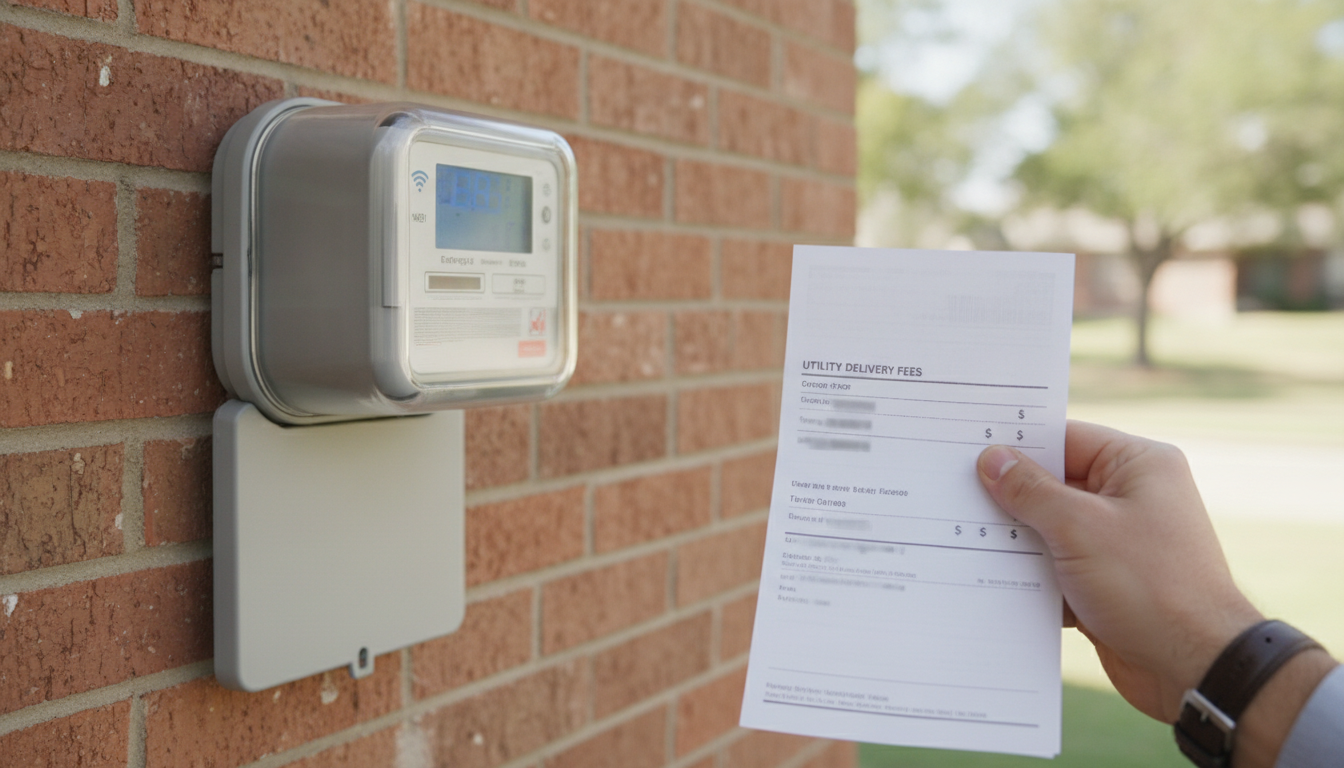
When you enroll in the SimpleSaver 12 plan, APG&E establishes your fixed energy supply terms for a full 12-month period, shielding you from wholesale market price spikes. However, the physical delivery of that energy remains the sole responsibility of your local TDSP. Because your utility must be compensated for maintaining the grid and routing that electricity to your home, they charge regulated delivery fees. These TDSP delivery charges are approved by the Public Utility Commission of Texas (PUCT) and are passed through directly to your bill without any markup from APG&E, regardless of whether your specific plan utilizes traditional fixed pricing structures or tiered usage bill credits.
Why ElectricityOne is Your Trusted Texas Energy Partner
Navigating the relationship between retail providers and utility delivery areas can feel overwhelming. That is where ElectricityOne simplifies the process. As a prominent educational platform and shopping resource, we help you find the perfect energy plan tailored to your specific utility region.
- Over 20 Years of Experience: Providing reliable, quick, and courteous assistance to help Texas homes and businesses secure the best energy solutions.
- Meticulous Provider Selection: We partner exclusively with top-tier REPs—like APG&E—that offer substantial cost savings and long-term satisfaction.
- Total Transparency: We ensure absolute clarity regarding all costs and fees, including TDU pass-through charges, so you never face unexpected surprises on your monthly statement.
Reading Your Bill and Knowing Who to Call
Understanding the distinction between your REP and your TDSP is crucial during unexpected events. If you have questions about your contract, want to renew your term, or need to discuss your payment options, you should contact APG&E. However, if your power goes out, if you spot a downed power line, or if your smart meter appears damaged, you must contact your local TDSP directly, as they are the only entity authorized to dispatch crews and repair physical infrastructure.
Ready to find the best energy plan for your specific utility delivery area? Call 1.844.567.2863 today to speak with our Texas energy experts.
Frequently Asked Questions
Can I choose a different utility company to deliver my electricity?
No. While you can choose your Retail Electric Provider (REP), you cannot choose your Transmission and Distribution Service Provider (TDSP). Your utility is determined solely by the physical location of your property and the existing grid infrastructure in that area.
Why do my TDSP delivery charges change if I am on a fixed-rate plan?
A fixed-rate plan, such as a 12-month contract, locks in your retail energy supply charge. However, TDSP delivery charges are regulated pass-through fees approved by the PUCT. These utility charges are subject to adjustment twice a year (typically in March and September) and will reflect on your bill regardless of your fixed retail rate.
What should I do if my power goes out?
In the event of a power outage, do not call your retail provider. Instead, immediately contact your local utility company (such as Oncor, CenterPoint, or AEP), as they are responsible for grid maintenance and restoring power in your area.