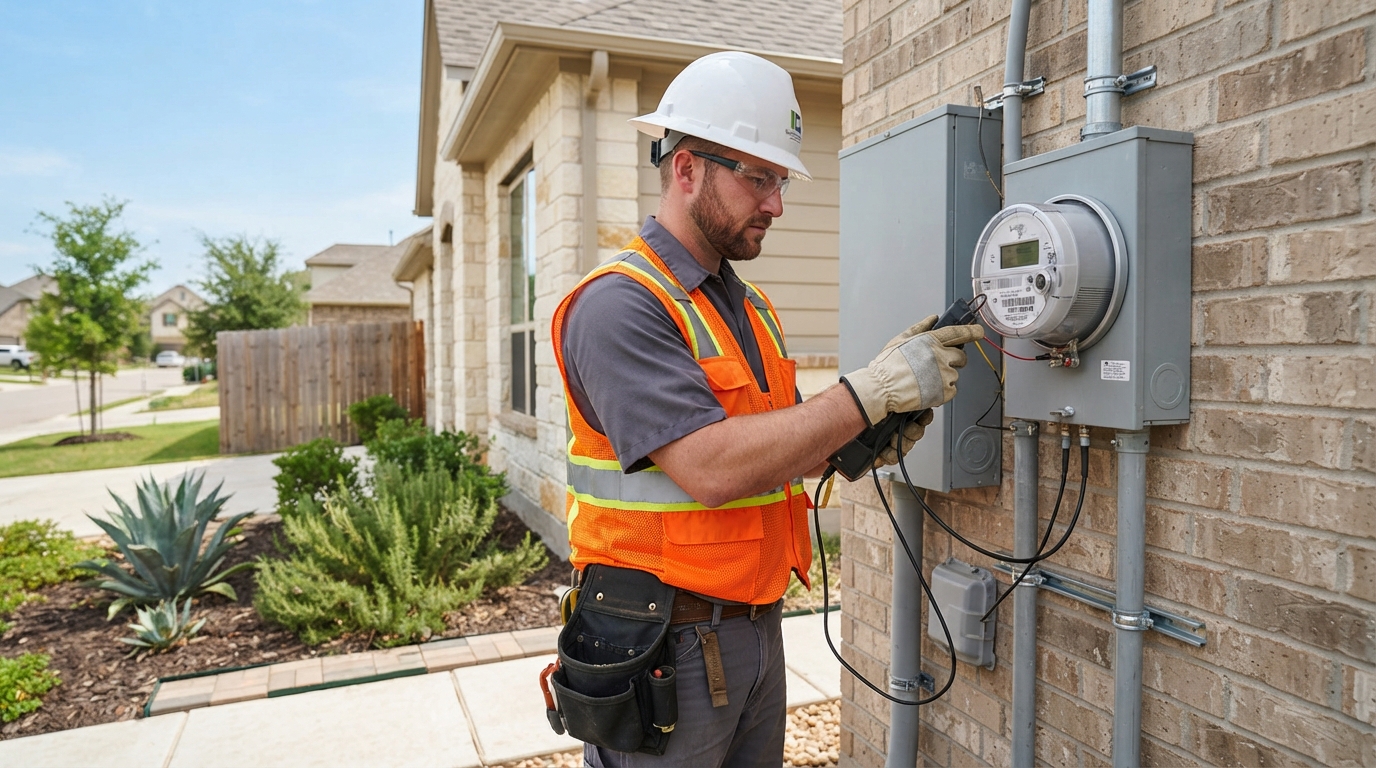
If you have ever signed up for an eco-friendly electricity plan only to see a completely different company’s truck servicing the power lines outside your window, you are not alone. Many Texans experience this exact scenario when they partner with a retail provider like Gexa Energy but notice logos for Oncor or CenterPoint on their smart meters. Understanding how the Texas power grid operates starts with answering a vital question: what is a transmission and distribution service provider?
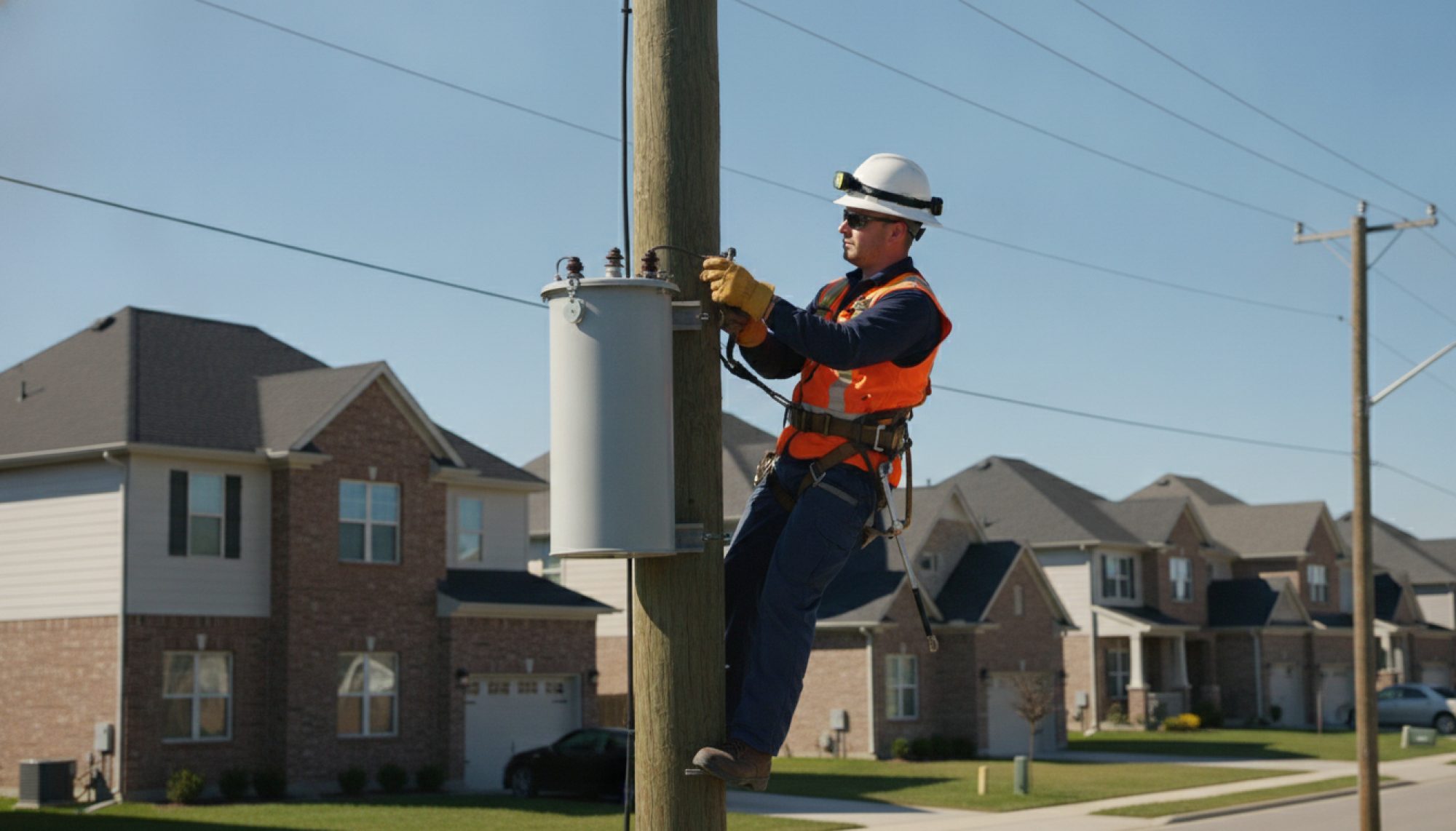
To put it simply, the Texas deregulated energy market is split into two distinct entities: Retail Electric Providers (REPs) and Transmission and Distribution Service Providers (TDSPs, also known as TDUs). Your REP is the retail company you choose to buy your electricity from, manage your account, and handle your billing. In contrast, the TDSP is the local utility company that owns and maintains the physical poles, wires, transformers, and smart meters. No matter which retail provider you select, your local utility is the one physically delivering the electricity to your home.
This distinction is particularly important when choosing sustainable energy plans. For instance, when you enroll in the popular Gexa Eco Saver Plus 12 Plan, Gexa Energy offsets 100% of your electricity usage by purchasing renewable energy credits. However, because electricity is pooled on the shared ERCOT grid, Gexa Energy does not run separate green wires directly to your house. Instead, your local TDSP is the physical entity moving those electrons over the physical wire grid to your home.
The Geography of the Grid: The Six Major Texas Utility Territories
To navigate the market successfully, it helps to understand which utility company operates in your specific region. Texas is divided into six major TDSP service territories, each responsible for the physical delivery infrastructure in its designated area.
1. Oncor Electric Delivery
As the largest utility in the state, Oncor maintains the electrical infrastructure that delivers electricity dallas residents and businesses rely on every single day. Their massive service footprint covers much of North, West, and Central Texas.
2. CenterPoint Energy
CenterPoint manages the delivery of electricity Houston homes and businesses depend on. They cover the vast Houston metropolitan area and surrounding Gulf Coast communities, ensuring physical grid reliability during severe coastal weather.
3. AEP Texas Central & AEP Texas North
American Electric Power (AEP) is split into two distinct regions. AEP Texas Central services the southern part of the state, including Corpus Christi, Laredo, and the Rio Grande Valley. AEP Texas North covers the northern and western sections, including cities like Abilene and San Angelo.
4. Texas New-Mexico Power (TNMP)
TNMP operates in localized pockets across Texas, including areas northeast of Houston, parts of North Texas, and areas out west near Pecos. They maintain the physical grid for several unique communities across the state.
5. Lubbock Power & Light (LP&L)
As the newest addition to the deregulated Texas marketplace, LP&L recently transitioned its customers into the competitive ERCOT grid. This historic shift allows Lubbock residents to actively choose their retail providers while LP&L continues to manage the local physical distribution infrastructure.
Navigating Your Choices with ElectricityOne
Finding the right balance between your preferred retail provider and your regional utility charges can feel overwhelming. Rather than getting lost in the hundreds of options available on the public power to choose portal, ElectricityOne simplifies the entire process.
With over 20 years of experience providing reliable, quick, and courteous electric service for Texas homes and businesses, ElectricityOne acts as your trusted guide. We partner only with top-tier REPs like Gexa Energy that offer transparent contract terms and clear explanations of all utility delivery fees. Whether you are looking for residential plans or customized business electricity plans, we ensure your transition is seamless.
Here is why thousands of Texans trust ElectricityOne to manage their energy shopping:
- Over 20 Years of Expertise: Deep industry knowledge to help you secure reliable and cost-effective plans.
- Meticulous Provider Selection: We screen and partner only with reputable REPs that prioritize customer satisfaction and billing transparency.
- Clear Fee Structure: We help demystify the regulated TDU pass-through fees so there are no surprises on your monthly statement.
- Flexible Solutions: From traditional long-term fixed contracts to quick-start prepaid electric service, we have options to fit every budget.
Why Your TDSP Matters in an Emergency
Knowing your TDSP is not just about understanding your monthly bill—it is also a matter of safety. If your lights suddenly go out or you spot a downed power line, your retail provider (like Gexa Energy) cannot restore your power. In these urgent situations, you must contact your local utility company directly, as they are the ones who dispatch physical utility crews to resolve outages and maintain local grid safety.
Conclusion
By understanding the clear boundary between your chosen energy provider and the utility company that maintains the physical wires, you can shop for electricity with total confidence. Ready to find the best energy plan for your specific utility delivery area? Call 1.844.567.2863 today to speak with our Texas energy experts.
Frequently Asked Questions (FAQ)
What is the main difference between a Retail Electric Provider (REP) and a TDSP?
A Retail Electric Provider (REP) sells you electricity, manages your account, and handles your monthly billing. A Transmission and Distribution Service Provider (TDSP) is the local utility company that physically delivers the power to your home, maintains the poles and wires, and responds to power outages.
Why do I see TDSP delivery charges on my eco-friendly green energy bill?
TDSP charges are regulated pass-through fees set by the Public Utility Commission of Texas (PUCT). They cover the physical maintenance of the electrical grid. Because your home is still connected to the local physical grid, these delivery charges apply regardless of whether you choose a standard plan or an eco-friendly green energy plan.
Who should I contact if my electricity goes out?
During a power outage or an electrical emergency, you should contact your local TDSP (such as Oncor, CenterPoint, or AEP) rather than your Retail Electric Provider. The TDSP owns and maintains the physical infrastructure and is responsible for dispatching crews to restore your power safely.