
South Texas living comes with incredible coastal views, rich culture, and some of the most intense summer heat waves in the country. From the humid streets of Corpus Christi and Brownsville to the sun-drenched neighborhoods of McAllen, Harlingen, Laredo, and Victoria, keeping your home cool requires a massive amount of energy. However, many residents opening their monthly utility statements find themselves deeply confused by the complex breakdown of charges. If you want to take control of your household budget, learning how to compare power to choose plans for aep central is the first critical step to finding real savings.
Understanding the Deregulated Texas Energy Marketplace
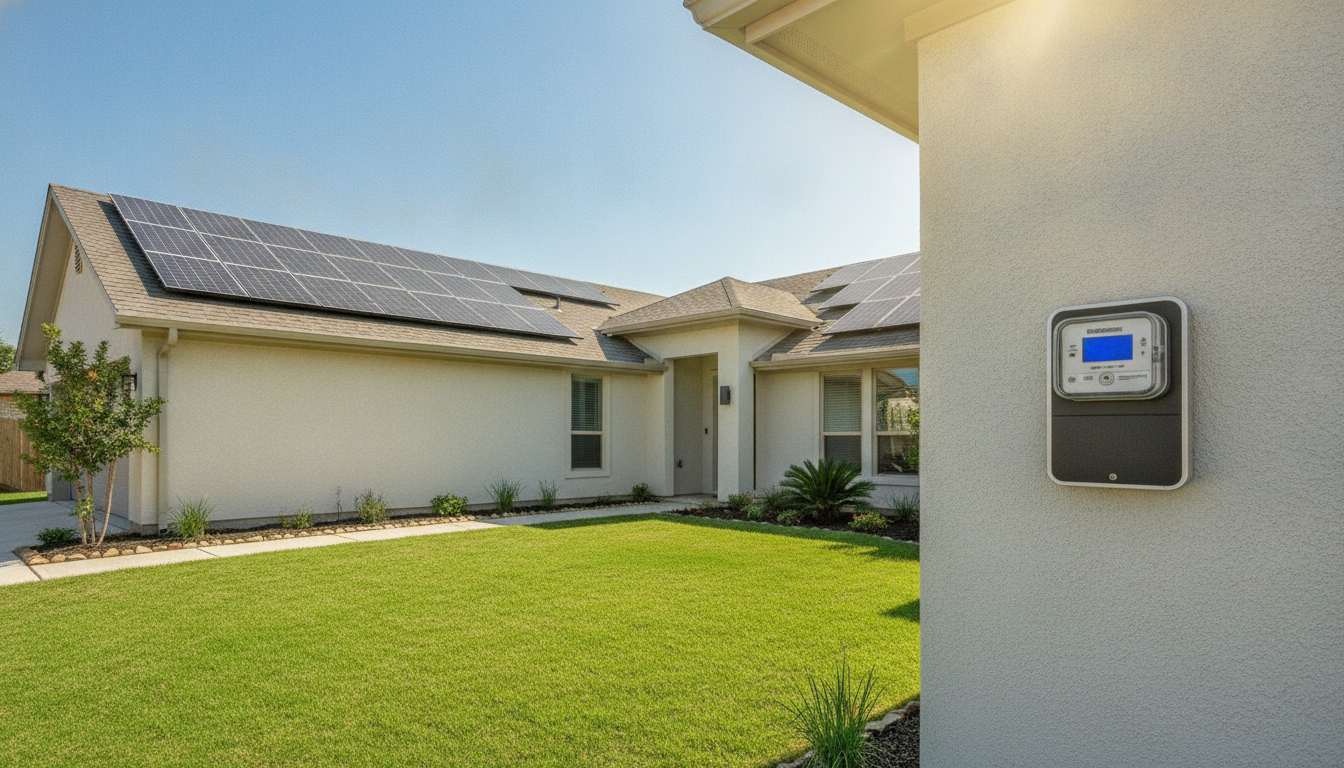
To successfully navigate your monthly utility costs, it is essential to understand how the deregulated ERCOT marketplace operates. Your electricity service is split into two entirely different entities: your Transmission and Distribution Service Provider (TDSP) and your Retail Electric Provider (REP). In South Texas and the Rio Grande Valley, AEP Texas Central is your legally designated TDSP. They own and maintain the physical poles, wires, and meters, and they are the ones who restore power during a storm.
On the other hand, you have the absolute power to choose which REP supplies your actual electricity. Your REP handles your billing, customer service, and sets your energy supply rate. Whether you are shopping for residential service or looking for competitive business electricity plans, you have the freedom to select the provider that best fits your budget.
Demystifying Your Electric Bill: Retail Charges vs. AEP Central Delivery Fees
When you look at your residential electric bill, the total amount due is divided into two main categories: Retail Provider Charges and AEP Texas Central Delivery Fees. Understanding this layout is crucial to comparing plans accurately.
1. Retail Electric Provider Charges
These charges are determined by the specific plan you sign up for with your chosen REP. They primarily consist of:
- Energy Charge: The per-kilowatt-hour pricing you pay for the actual electricity your home consumes.
- Base Charge: A flat monthly fee charged by some providers to cover administrative billing costs.
2. AEP Texas Central Delivery Fees
These are standard, non-negotiable utility fees approved by the Public Utility Commission of Texas (PUCT). They cover the cost of transporting electricity from power plants across the state directly to your South Texas home. These fees are passed through to every residential consumer in the territory, regardless of which retail company bills you. They include a flat monthly customer charge and a per-kilowatt-hour delivery charge. Because these fees are identical on every plan, you should focus entirely on the retail energy charge when comparing providers.
How to Safely Compare Plans in South Texas
When shopping for energy in the AEP Texas Central service area, always review the Electricity Facts Label (EFL) for any plan you consider. The EFL discloses the exact breakdown of retail energy charges and utility pass-through fees. This ensures you do not fall victim to hidden fees or tiered-usage traps that can cause your bill to skyrocket during high-use summer months.
For many households, choosing a traditional fixed-rate postpaid plan provides peace of mind. However, if you prefer to avoid credit checks and expensive upfront security deposits, opting for a prepaid electric service is an incredibly flexible and budget-friendly alternative that lets you pay only for the power you use.
Why Electricity One is Your Premier Partner for Texas Energy
Navigating the energy market can feel overwhelming, especially when compared to other major Texas territories. Whether you are searching for electricity Houston rates or comparing options for electricity dallas, Electricity One simplifies the entire process. Under our core identity, “Compare the Best Postpaid & Prepaid Electricity Plans in Texas,” we serve as your trusted marketplace to find the perfect energy solution.
Here is how Electricity One makes managing your utilities easier:
- Total Flexibility: Easily compare traditional fixed-rate postpaid contracts and no-deposit prepaid plans.
- Unmatched Value: We partner with trusted, top-tier REPs to bring you transparent, straightforward pricing.
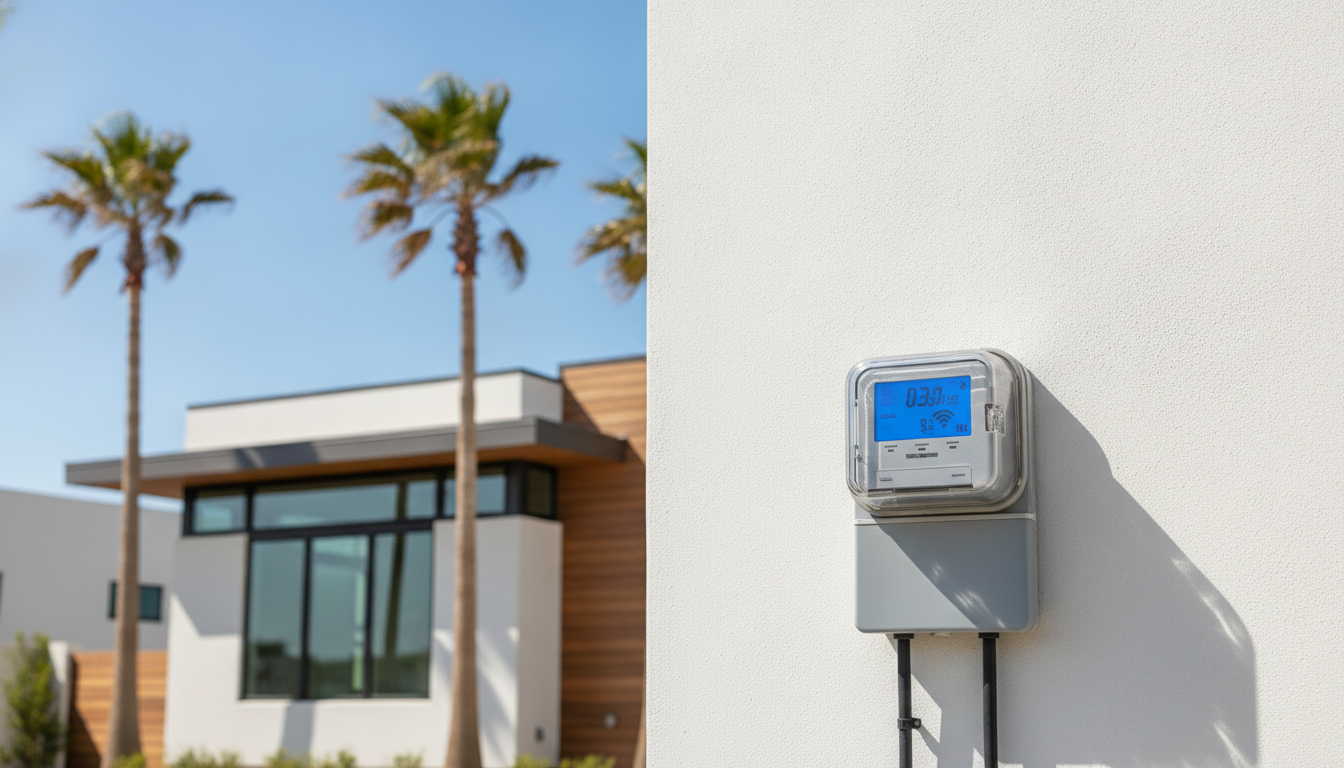
- Swift Connection Process: Enjoy same-day electricity activation, with power operational in just 1 to 2 hours for most homes equipped with a digital smart meter.
Take Control of Your Energy Costs Today
Lowering your monthly utility overhead means keeping more of your hard-earned money where it belongs—in your household budget. By understanding how to separate your retail supply charges from AEP Central’s standard delivery fees, you can shop with confidence and secure the best energy plan for your family.
Seeking the fastest and most affordable electricity in Texas? Uncover exceptional offers and fully leverage your Power to Choose today. Reach out to our Texas-based energy specialists at 1-844-567-2863 or visit the Electricity One Home Page to lock in the best prepaid or postpaid rates for your home and get activated in 1 to 2 hours!
Frequently Asked Questions
Can I avoid paying the AEP Texas Central delivery fees by switching providers?
No. AEP Texas Central delivery fees are standard utility pass-through charges regulated by the state. They are mandatory for every home in the AEP Central service territory to maintain the local grid, regardless of which retail provider you choose.
Who do I call if my power goes out in South Texas?
During a power outage or grid emergency, you must contact your utility company directly, not your retail provider. For residents in South Texas, call AEP Texas Central at 1-866-223-8508 to report down lines or track restoration times.
What is the benefit of choosing a prepaid electricity plan?
Prepaid electricity plans allow you to pay as you go without credit checks, long-term contracts, or expensive deposit requirements. You can monitor your daily usage and add funds to your account as needed, making it highly flexible for tight budgets.