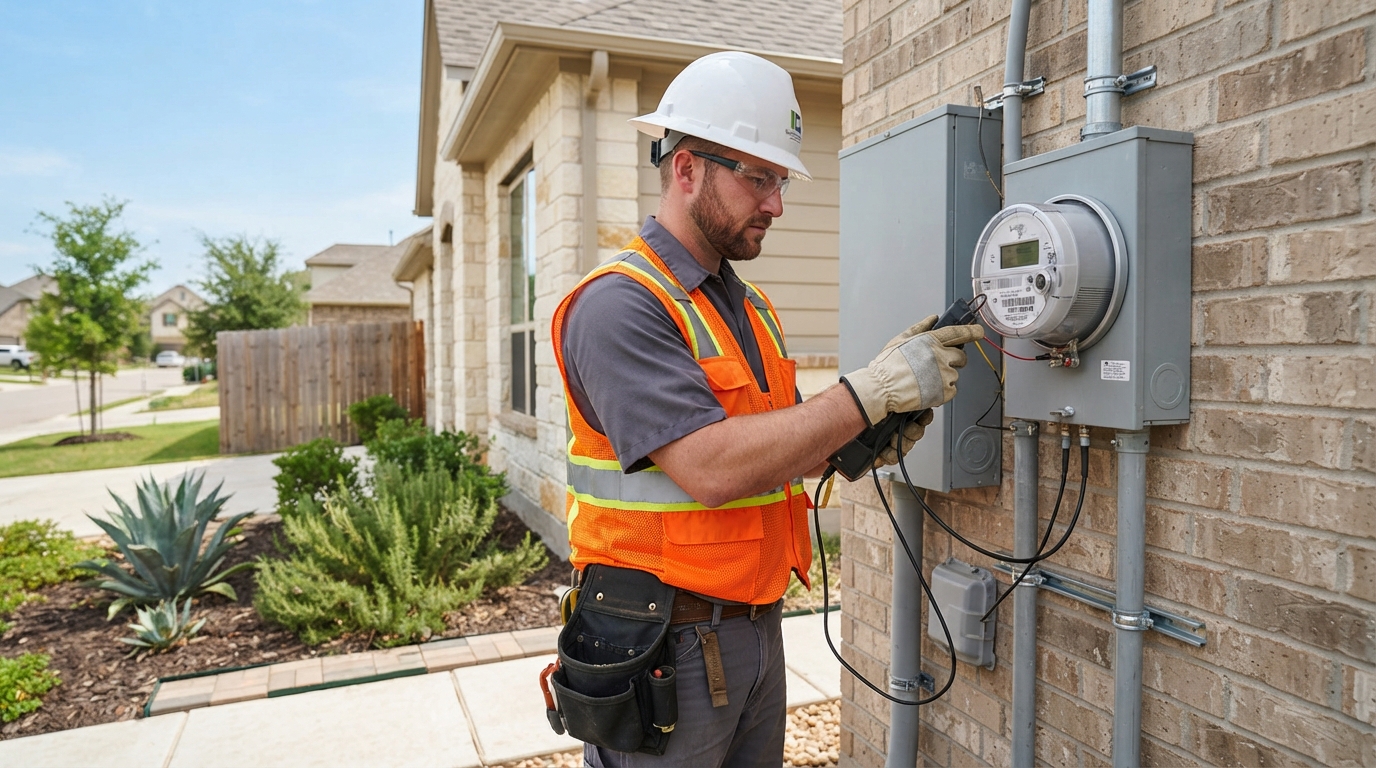

For millions of residents across Greater Houston and the Texas Gulf Coast, flipping on a light switch is an action taken for granted—until a severe storm rolls in or the summer heat reaches its peak. Managing a massive power grid that spans coastal plains and sprawling suburban landscapes requires immense infrastructure and planning. In Southeast Texas, this critical job falls to CenterPoint Energy, the Transmission and Distribution Utility (TDU) responsible for maintaining the physical lines, poles, and meters that keep the region running. Whether you are moving to Katy, Sugar Land, or the historic shores of Galveston, understanding how your electricity is delivered is the first step toward taking control of your monthly utility costs.
Understanding the Southeast Texas Grid
The physical footprint of the Houston electrical grid is vast and diverse. To visualize where your power comes from, it helps to look at the official centerpoint service area map texas. This territory covers nearly 2.8 million metered customers, encompassing the entire Greater Houston metropolitan area and extending out to key coastal and suburban hubs. Managing grid resilience across this specific geographic layout is no small feat; the utility must constantly reinforce transmission lines to withstand intense Gulf Coast hurricane seasons and the relentless demand of Texas summer heatwaves.
Because CenterPoint Energy operates as the sole utility provider for this region, every resident and business within these boundaries relies on their physical infrastructure. Regardless of which company sends you your monthly bill, CenterPoint is the entity that physically delivers the electricity to your property, reads your smart meter, and dispatches utility crews to repair downed lines after a storm.
The Difference Between Your Utility and Your Retail Electric Provider
Texas operates under a deregulated energy market, which means the process of getting power to your home is split into two distinct roles: delivery and sales. It is crucial to distinguish between CenterPoint Energy (your TDU) and your Retail Electric Provider (REP). CenterPoint owns the wires and poles, while your REP is the company you choose to buy your electricity from. When shopping for electricity Houston residents can compare plans from dozens of competing REPs to find the rate structure that fits their lifestyle.
This setup is different from other parts of the state. For instance, those comparing plans for electricity dallas households use are dealing with a completely different utility company and a different set of delivery charges. In Houston, however, all REPs must pass through CenterPoint’s regulated delivery and transmission fees on your bill. These fees are set by the Public Utility Commission of Texas (PUCT) and are standard across the entire CenterPoint footprint, meaning you cannot avoid them by switching providers.
Navigating Your Choice in the Houston Market
Because you have the power to select your own retail provider, you can choose from a wide variety of plan types. Some business owners may need specialized business electricity plans to keep commercial operations running smoothly. Meanwhile, residential customers might look for traditional fixed-rate plans, or even a prepaid electric service that offers flexibility without long-term contracts or credit checks. While the state’s official power to choose platform lists hundreds of options, finding a reliable partner to help navigate these choices can save you from hidden fees and unexpected rate spikes.
Simplifying Your Energy Search with ElectricityOne
With so many options on the market, finding the right retail provider can feel overwhelming. That is where ElectricityOne comes in. As a prominent platform connecting Houston-area residents with the finest Retail Electric Providers operating within the CenterPoint utility zone, we take the guesswork out of shopping for energy.
Here is how we help you secure the best energy solutions:
- Two Decades of Trusted Service: We bring over 20 years of experience providing reliable, quick, and courteous electric service for Texas homes and businesses.
- Meticulous Provider Selection: Our rigorous vetting process ensures we only partner with REPs that offer substantial cost savings, transparent disclosure of all costs and fees, and long-term satisfaction.
- Clear Cost Breakdown: We help you understand your total bill, ensuring that CenterPoint’s regulated pass-through charges are clearly explained alongside your retail energy rates.
Navigating Storms, Billing, and Outages
Understanding the exact boundaries of your service territory does more than just help you shop for a better rate‑it also ensures you know what to do in an emergency. Because CenterPoint Energy manages the physical grid, they are the company you must contact directly during a power outage or if you spot a downed power line. Your retail provider cannot restore your power; they only handle your billing and account management. By keeping CenterPoint’s outage hotline on hand, you can stay safe and informed when severe weather impacts Southeast Texas.
Ready to find the best energy plan for your CenterPoint delivery area? Call 1.844.567.2863 today to speak with our Texas energy experts.
Frequently Asked Questions
What geographic areas are included in the CenterPoint Energy service territory?
The CenterPoint Energy service territory covers the Greater Houston metropolitan area, Galveston, Katy, Sugar Land, and surrounding communities along the Texas Gulf Coast, serving nearly 2.8 million metered customers.
Who do I call if my power goes out in Houston?
You must contact CenterPoint Energy directly to report power outages, downed lines, or grid emergencies. Your Retail Electric Provider (REP) handles billing and enrollment, but CenterPoint is responsible for physical repairs and grid restoration.
Are CenterPoint delivery charges the same across all retail electric providers?
Yes. CenterPoint’s transmission and distribution charges are regulated by the Public Utility Commission of Texas (PUCT) and are passed through to your bill. These fees are identical regardless of which retail provider you choose.