
Have you ever signed up for electricity with a company like Payless Power, only to see an Oncor or CenterPoint utility truck driving down your street to service your lines? Or perhaps you used the power to choose your own energy plan, but noticed fees on your statement that you did not expect? If so, you are not alone. Many Texans find themselves confused by the dual-nature of the state’s deregulated energy market. In Texas, the company that bills you for your electricity is not the same company that delivers it to your home. Understanding this distinction is the key to mastering your monthly energy expenses.
What is a TDSP versus a REP?
To make sense of your monthly electricity costs, you must first understand the two main entities that power your home: Retail Electric Providers (REPs) and Transmission and Distribution Service Providers (TDSPs, also referred to as TDUs).
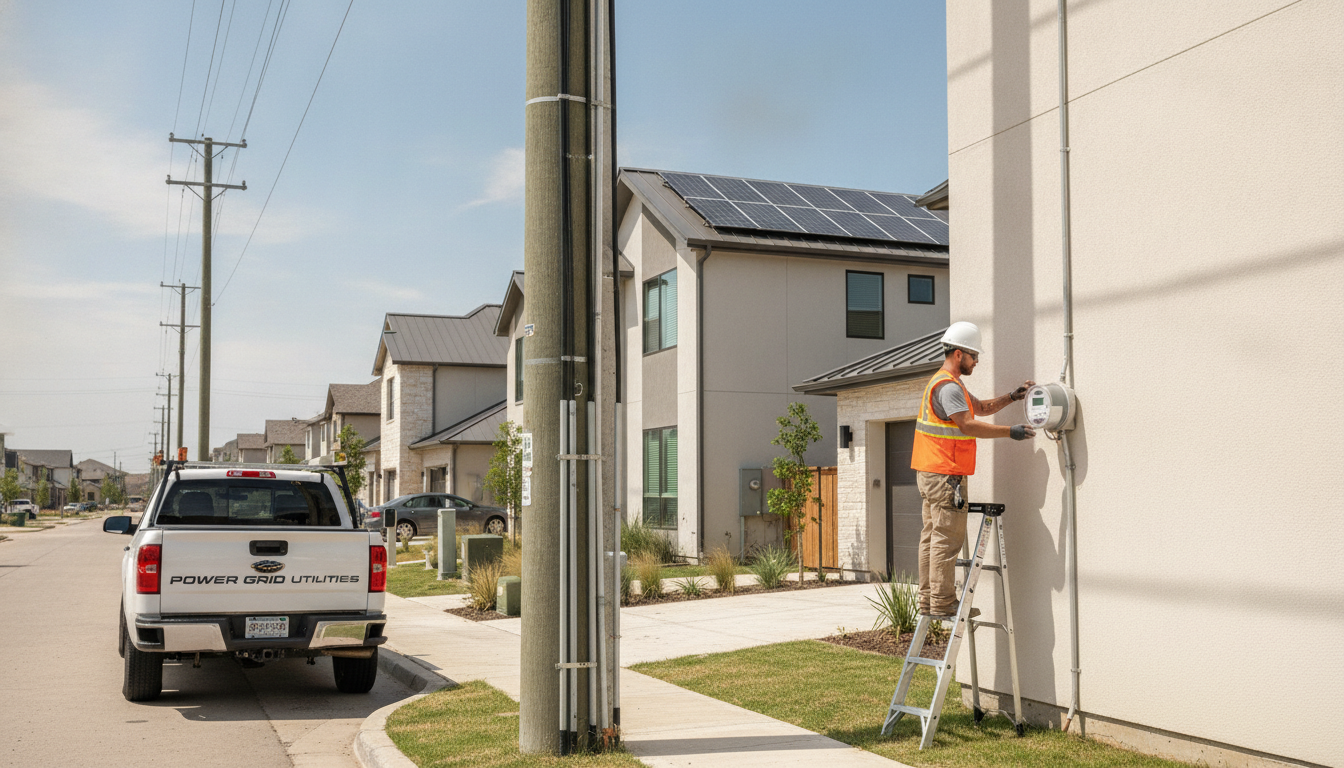
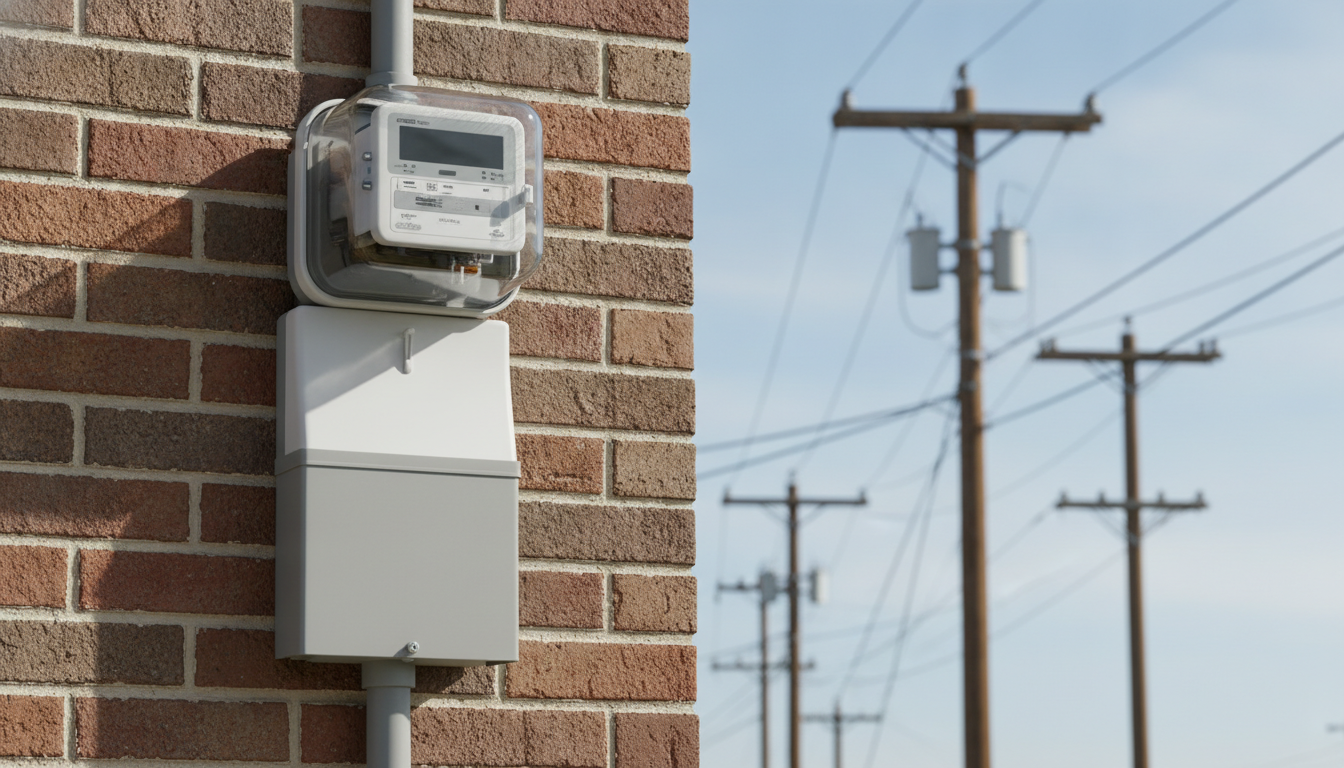
Your REP, such as Payless Power, is the company you shop with, sign a contract with, and pay each month. They purchase wholesale electricity and sell it to you. On the other hand, your TDSP is the utility company that owns and maintains the physical infrastructure—the poles, wires, transformers, and smart meters that keep the grid running.
There are six major TDSPs operating within the ERCOT grid in Texas:
- Oncor: Serving the largest territory, including those looking for electricity dallas and surrounding areas.
- CenterPoint: Delivering power to the Gulf Coast region, including residents shopping for electricity Houston.
- AEP Central & AEP North: Covering southern and western parts of the state.
- Texas New-Mexico Power (TNMP): Servicing various pockets of Texas.
- Lubbock Power & Light (LP&L): The newest addition to the competitive, deregulated Texas market.
Texas TDSP Delivery Charges Explained
Now, let us look at the financial side of the grid. When you receive your monthly statement, you will notice a section dedicated to utility fees. To fully understand these, we must have texas tdsp delivery charges explained.
These charges represent the cost of transporting electricity from power plants, across high-voltage transmission lines, and directly into your home or business. They are fully regulated by the Public Utility Commission of Texas (PUCT). This means neither your REP nor you can negotiate these rates; they are non-negotiable pass-through fees that go directly to your local utility company to fund grid maintenance, emergency storm repairs, and meter reading services.
Whether you run a large facility using specialized business electricity plans or you are a homeowner utilizing a prepaid electric service, these charges are applied universally based on your geographic location. They typically consist of a fixed monthly utility fee and a volumetric cost per kilowatt hour of usage.
How Prepaid Plans Handle TDSP Charges: The Payless Power Example
Many Texas residents prefer the flexibility of prepaid electricity, which allows them to avoid credit checks and expensive upfront deposits. Payless Power is a premier example of a Texas REP offering highly competitive, transparent options, such as their 6 Month – Prepaid and 12 Month – Prepaid plans.
When you enroll in Payless Power prepaid plans, you maintain a prepaid daily balance. However, it is vital to know that even with a prepaid model, TDSP delivery charges still apply. Payless Power manages your electricity account and daily balance, but your local TDSP (like Oncor, CenterPoint, or TNMP) still delivers the physical power and charges their regulated fees. Payless Power ensures complete transparency by passing these charges through at cost, without any hidden markup, so you always know exactly where your money is going.
Why ElectricityOne is Your Trusted Texas Energy Partner
Navigating the complex landscape of Texas utilities and retail providers can be overwhelming. That is where ElectricityOne comes in. With a commitment to simplifying the shopping experience, we help you find the perfect match for your home’s unique utility zone.
Here is how we bring value to your energy search:
- Over 20 Years of Experience: We have spent two decades providing reliable, quick, and courteous service to Texas homes and businesses.
- Meticulous Provider Selection: We only partner with elite REPs—like Payless Power—that offer substantial cost savings and long-term satisfaction.
- Uncompromising Transparency: We ensure all partners provide a clear, honest disclosure of all costs and fees, including TDU pass-through charges.
- Comprehensive Coverage: We assist customers across all six major TDSP delivery zones, ensuring no Texan is left in the dark.
Conclusion
Understanding your TDSP not only helps you read your monthly bill with confidence but also ensures you know exactly who to call in the event of a power outage or downed line. While your REP handles your billing and account management, your local utility is always your first line of defense for physical infrastructure issues.
Ready to find the best energy plan for your specific utility delivery area? Call 1.844.567.2863 today to speak with our Texas energy experts.
Do TDSP charges change throughout the year?
Yes, TDSP charges are typically adjusted twice a year (usually in March and September) after approval from the Public Utility Commission of Texas (PUCT). These adjustments reflect the ongoing costs of maintaining and upgrading the electric grid.
Can I choose a different TDSP to lower my delivery fees?
No. While you have the power to choose your Retail Electric Provider (REP), your TDSP is determined strictly by your physical geographic location. You cannot switch your utility delivery company.
How do prepaid plans like Payless Power handle TDSP fees?
Prepaid plans deduct the TDSP pass-through fees from your prepaid daily balance. These charges are passed through directly from the utility at the regulated cost per kilowatt hour and fixed monthly utility fee rates, ensuring complete pricing transparency.