
Living in the sprawling Dallas-Fort Worth Metroplex or across the vast Oncor service territory means dealing with some of the most extreme climate swings in the country. From blistering triple-digit summer heat waves in Arlington, Plano, and Irving to sudden, severe winter ice storms in Tyler, Waco, and Wichita Falls, your home HVAC system works overtime to keep your family comfortable. These extreme weather patterns can cause household utility bills to skyrocket, leaving many residents searching for ways to take back control of their monthly budgets. Fortunately, as a Texas resident, you have the legal right to choose your retail energy provider. Navigating the marketplace to find the most competitive oncor electricity plans texas has to offer starts with understanding exactly how your monthly electric bill is structured.
The Two Halves of Your Texas Electric Bill: REPs vs. TDSPs
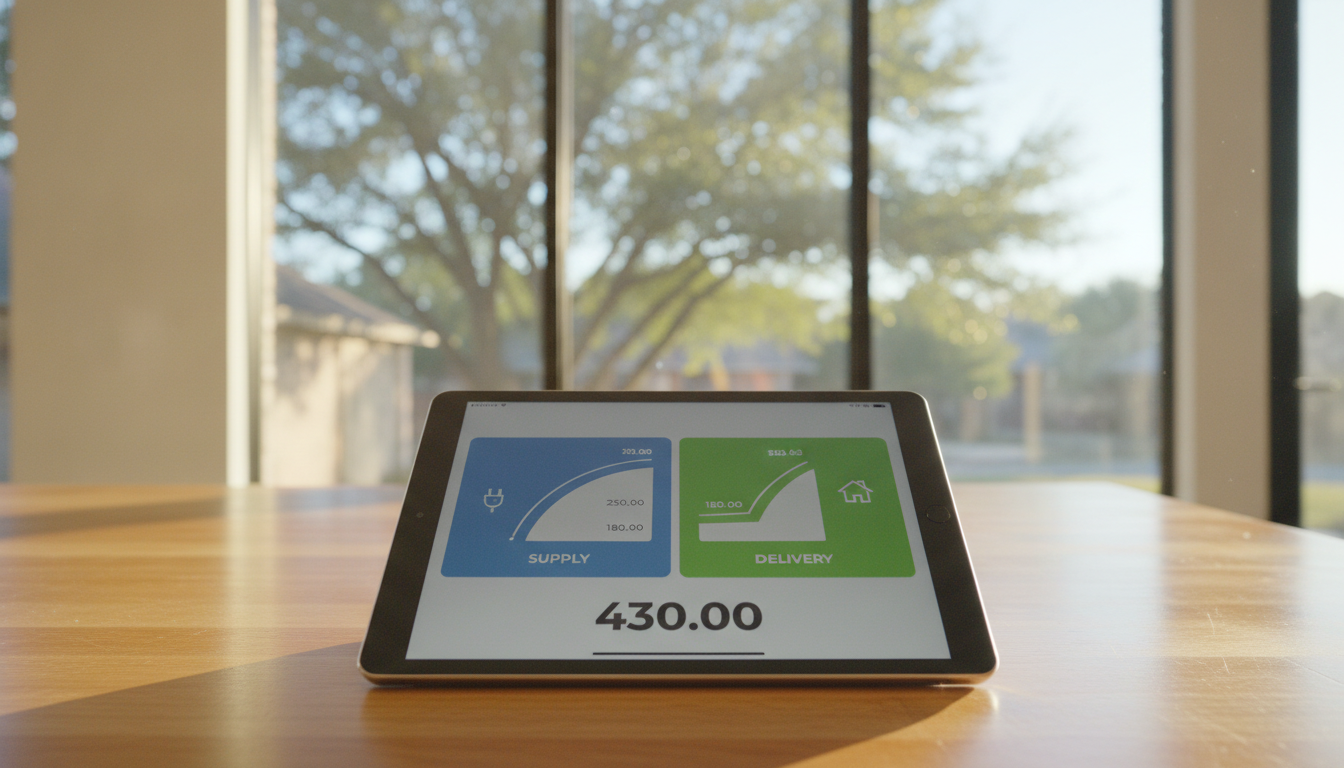
To stop overpaying for electricity, you must first demystify the layout of your monthly utility statement. A common point of confusion for homeowners from Fort Worth to Garland, and down to Odessa and Midland, is why they see two distinct sets of charges on a single bill. In the deregulated ERCOT marketplace, your electric service is split into two completely separate functions: supply and delivery.
The first portion of your bill comes from your chosen Retail Electric Provider (REP). This is the company you select when you exercise your power to choose. Your REP handles the customer service, billing, and buys the wholesale energy that you consume. The charges associated with this are your per-kilowatt-hour supply rates, which can be locked in via a fixed-rate contract or managed through a flexible prepaid plan.
The second portion consists of Transmission and Distribution Service Provider (TDSP) charges—in this territory, that means Oncor. Oncor is the state-regulated utility responsible for maintaining the physical infrastructure, including poles, wires, and digital smart meters. Oncor delivery fees are standard, non-negotiable pass-through charges approved by the Public Utility Commission of Texas. Every residential consumer within Oncor’s footprint pays the exact same delivery rates, regardless of which retail provider they use.
Breaking Down Supply Rates vs. TDU Pass-Through Fees
When you compare electric plans, you will see both supply rates and TDU (Transmission and Distribution Utility) fees listed on your Electricity Facts Label (EFL):
- Supply Charges: This is the price you pay for the actual electricity you consume. It is determined by the specific retail plan you sign up for. If you choose a fixed-rate plan, this supply rate remains constant throughout your contract term, shielding you from market volatility.
- TDU Pass-Through Fees: These fees cover the cost of delivering electricity to your home and maintaining the grid. They include a fixed monthly customer charge and a volumetric per-kilowatt-hour delivery fee. Because these are set by the utility and approved by the state, they are passed directly to you without any markup from your retail provider.
Navigating the Oncor Service Area with Confidence
Whether you are setting up service in a new suburban home in Frisco or McKinney, or looking to lower costs for business electricity plans, comparing options for electricity dallas residents rely on is crucial. You do not have to settle for the first plan you find. By partnering with a trusted energy marketplace, you can easily compare postpaid options and flexible prepaid electric service that fit your unique lifestyle.
If you are moving within Texas, keep in mind that other regions have different TDSPs. For example, if you have friends or family looking for electricity Houston is serviced by CenterPoint, which has its own set of delivery fees. But for those in the massive Oncor footprint—spanning from North-Central Texas to West Texas—your delivery fees remain uniform, meaning your primary goal is finding the absolute lowest supply rate.
How Electricity One Simplifies Your Energy Decisions
At Electricity One, we believe that finding the right electricity plan should be simple, transparent, and fast. Under our core identity, “Compare the Best Postpaid & Prepaid Electricity Plans in Texas,” we serve as your premier partner for navigating the deregulated Texas energy market. We offer a comprehensive marketplace designed to give you total flexibility, whether you prefer a traditional postpaid contract or a no-deposit prepaid option.
Here is how we help you maximize your energy savings and convenience:
- Flexible Plan Options: Choose between traditional fixed-rate postpaid contracts to lock in your supply rate, or flexible, pay-as-you-go prepaid plans that require no credit check and no deposit.
- Tailored Value: We match plans to your specific household usage patterns, helping you avoid hidden fees and seasonal pricing traps.
- Swift 1-to-2-Hour Activation: Enjoy same-day electricity activation. For most homes equipped with a digital smart meter, our streamlined connection process can have your power fully operational in just 1 to 2 hours.
Managing your household budget shouldn’t be a guessing game. By understanding the difference between Oncor’s delivery fees and your retail supply charges, you can shop with confidence and secure a plan that protects you from seasonal price spikes. Lowering your utility overhead means more hard-earned money stays in your pocket for the things that truly matter to your family.
Seeking the fastest and most affordable electricity in Texas? Uncover exceptional offers and fully leverage your power to choose today. Reach out to our Texas-based energy specialists at 1-844-567-2863 or visit the Electricity One Home Page to lock in the best prepaid or postpaid rates for your home and get activated in 1 to 2 hours!
Frequently Asked Questions
Who do I call when the lights go out?
If you experience a power outage, downed power lines, or smart meter issues, you must contact Oncor directly at 1-888-313-4747. Because Oncor is the utility responsible for the physical infrastructure, they handle all grid emergencies and power restoration, not your retail billing provider.
Will switching retail electric providers cause an interruption in my power?
No, switching to a new retail provider will not cause any gap in your electric service. Since Oncor continues to deliver the physical electricity through the same wires and poles, the transition is purely administrative and completely seamless.
What is the difference between postpaid and prepaid electricity?
Postpaid electricity plans require a credit check and bill you at the end of the month for the energy you used. Prepaid electricity plans allow you to pay in advance for your power, requiring no credit check, no deposit, and offering the flexibility to top up your account as needed.