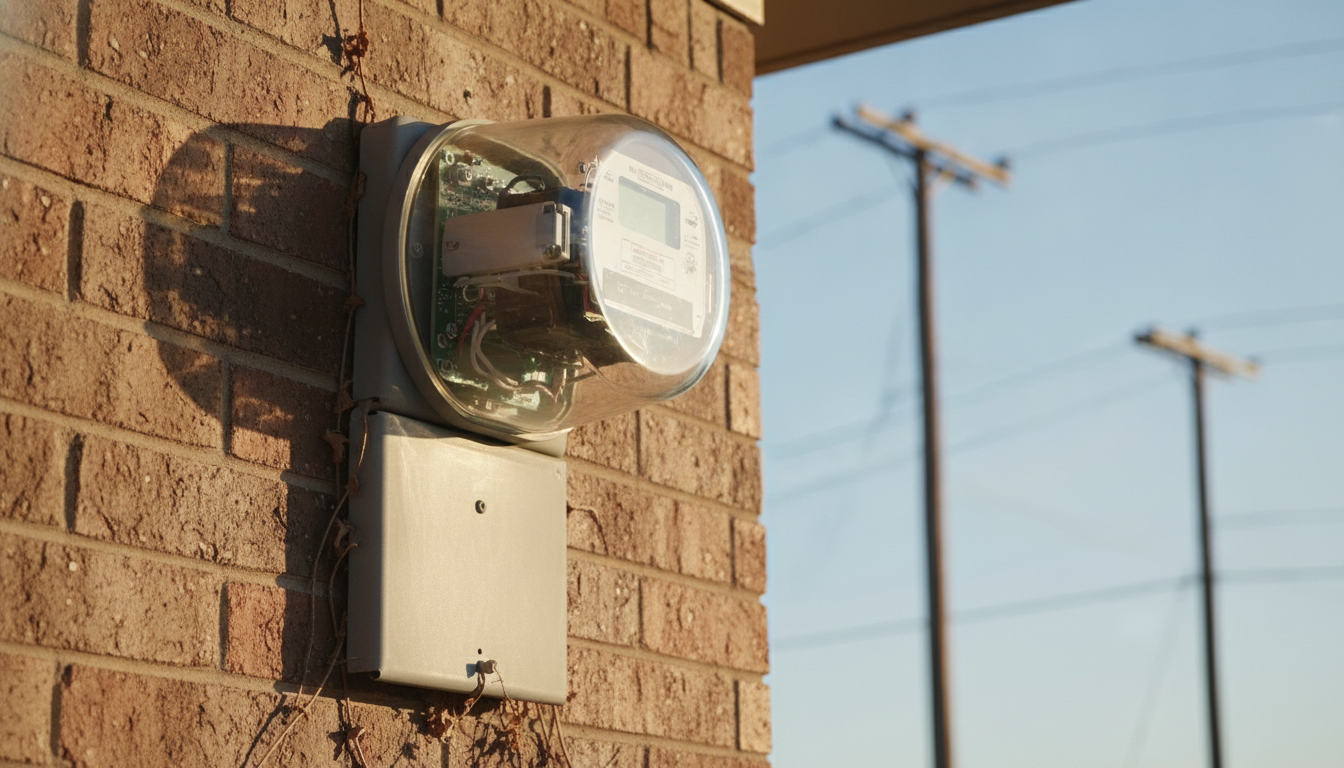
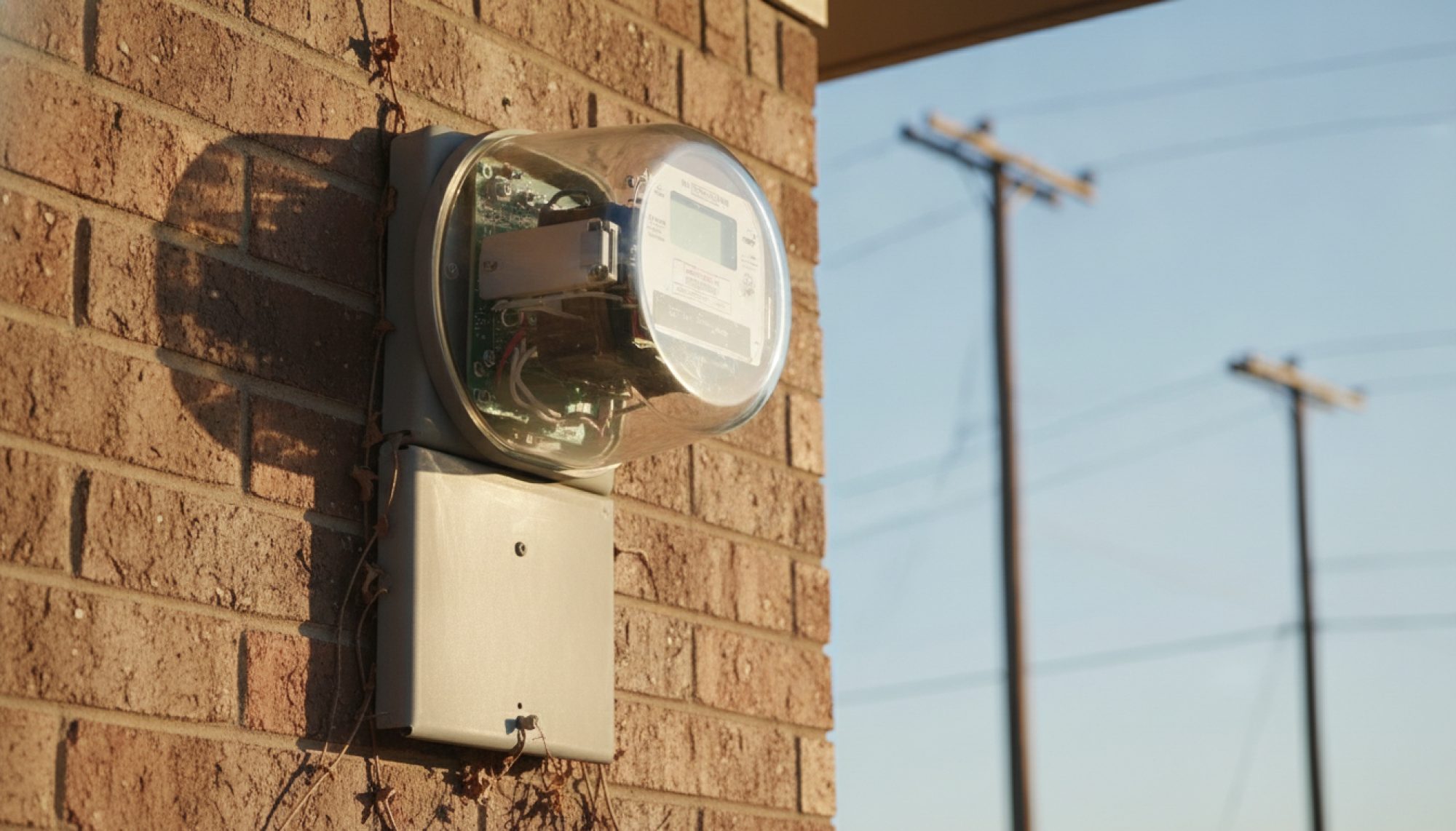
West and Central Texas residents living in hubs like Abilene, San Angelo, Alpine, and Vernon often look at their monthly electric bills with confusion. While you shop around for the best energy rates, there is a portion of your bill that remains constant regardless of which Retail Electric Provider (REP) you choose. This portion is dedicated to AEP Texas North, the Transmission and Distribution Utility (TDU) responsible for maintaining the physical power lines, poles, and meters across a massive 53,000 square mile region. To truly take control of your energy costs, you must understand how aep texas north delivery charges impact your monthly statement.
The Difference Between Your Provider and AEP North
To navigate the deregulated Texas energy market successfully, it is vital to distinguish between your Retail Electric Provider and your utility company (AEP North). Your REP is the company that sells you electricity, manages your account, and bills you monthly. Just as consumers look for competitive electricity Houston rates or compare electricity dallas plans when moving across the state, West Texas residents must shop for REPs that serve the AEP North territory.
AEP North, on the other hand, does not sell electricity. They are the utility company that physically delivers the power to your home, reads your meter, and repairs downed lines after a storm. Because they own and maintain the physical grid infrastructure, they charge a fee for this delivery service, which is passed directly to you through your REP.
Breaking Down AEP Texas North Delivery Charges
These delivery charges are regulated and approved by the Public Utility Commission of Texas (PUCT). Because they are non-bypassable, every consumer in the AEP North territory pays the exact same delivery rates, no matter which REP they sign up with. These charges typically consist of two main components:
- A Fixed Monthly Utility Fee: A flat charge per billing cycle that covers the administrative cost of maintaining your connection to the grid.
- A Variable Distribution Charge: A cost per kilowatt-hour that scales based on the amount of electricity your home or business consumes during the month.
When you use shopping tools like the state’s power to choose portal, the rates displayed often bundle these delivery charges with the REP’s energy charge. Understanding this distinction prevents surprises when your first bill arrives.
How ElectricityOne Simplifies Your Texas Energy Search
Finding the right energy plan in West and Central Texas does not have to be a stressful chore. ElectricityOne is a prominent platform that connects residents with the finest Retail Electric Providers operating within the AEP North utility zone. Here is how we make a difference:
- Over 20 years of experience providing reliable, quick, and courteous electric service for Texas homes and businesses.
- A meticulous provider selection process ensuring partnerships only with REPs that offer substantial cost savings, transparent disclosure of all costs (including AEP North pass-through charges), and long-term satisfaction.
- Versatile options tailored to your lifestyle, whether you are looking for traditional fixed-rate plans, flexible prepaid electric service, or commercial business electricity plans.
How to Read Your Bill and Manage Emergencies
By understanding how utility fees work, you can easily audit your monthly statement. Your bill will clearly separate the energy charge (what you pay the REP for the actual electricity) from the AEP North delivery charges. Knowing this structure also helps you during emergencies. Since your REP only handles billing, you must contact AEP North directly to report a local power outage or a downed power line.
Ready to find the best energy plan for your AEP North delivery area? Call 1.844.567.2863 today to speak with our Texas energy experts.
Frequently Asked Questions
What are AEP Texas North delivery charges?
These are PUCT-regulated fees charged by AEP North for delivering electricity over their physical power lines and managing the local grid infrastructure. They consist of a flat monthly fee and a variable charge based on your overall kilowatt-hour usage.
Can I avoid paying AEP North delivery fees by switching providers?
No. These charges are set by the state utility commission and are mandatory for all residents and businesses within the AEP North service territory, regardless of which retail electric provider you choose.
Who do I call if my power goes out in Abilene or San Angelo?
You should contact AEP North directly to report outages or grid emergencies, as they own and maintain the physical poles, wires, and meters in your area.