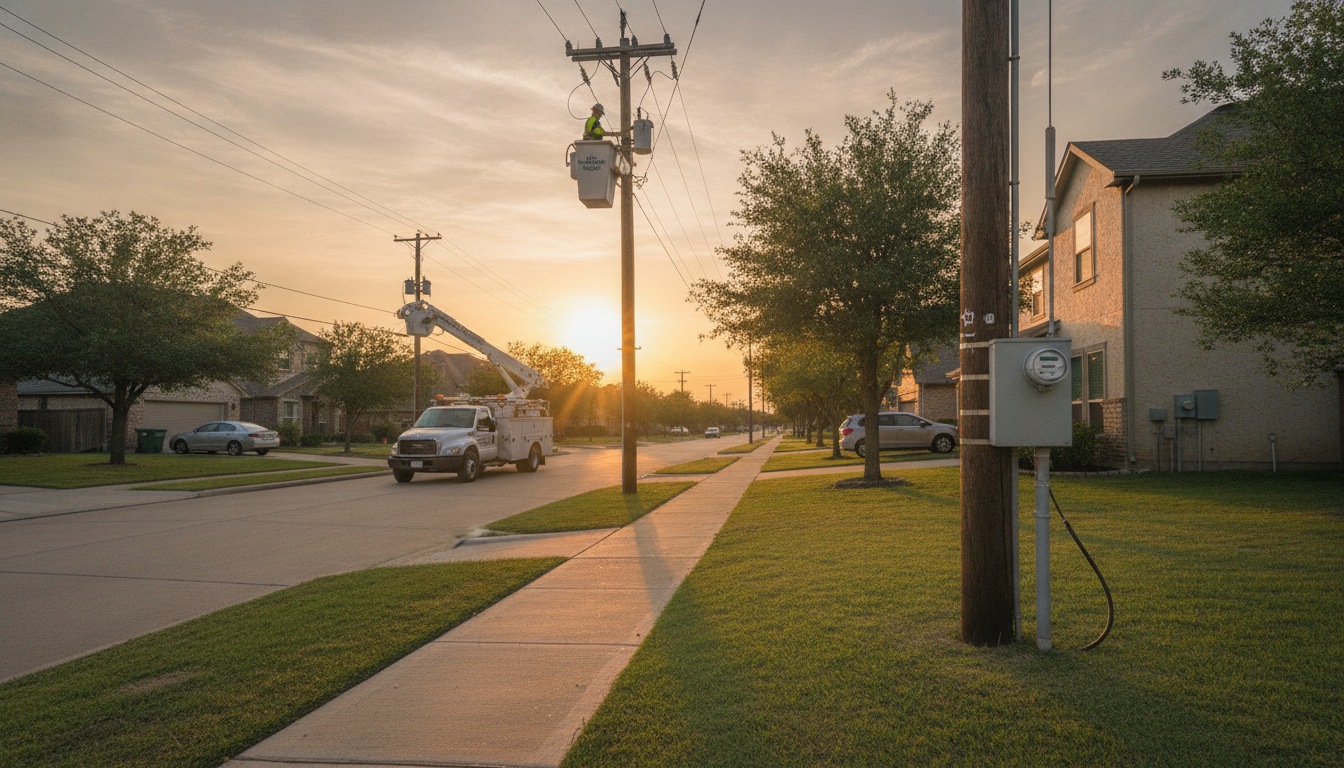
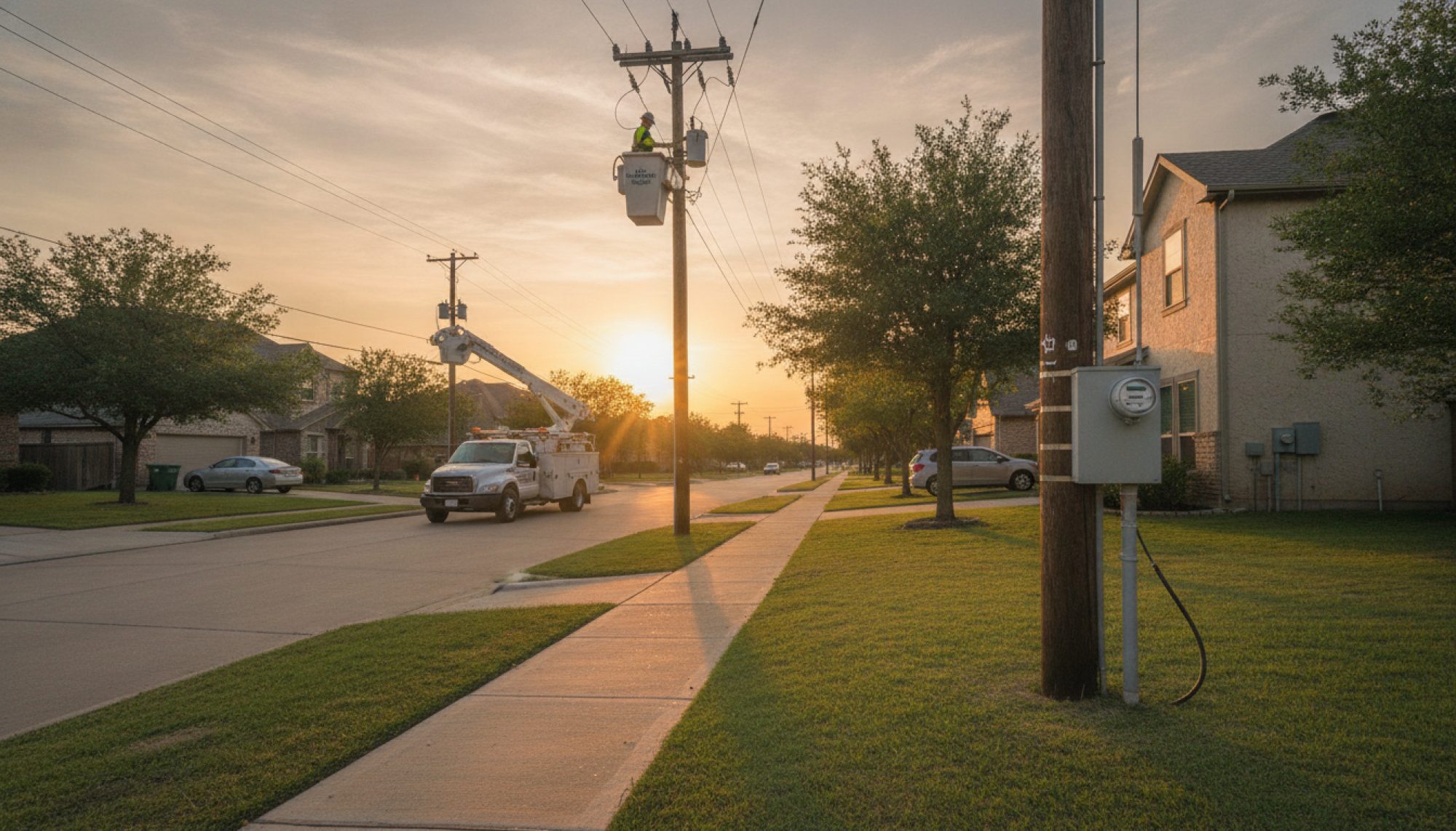
For many Texas residents, opening an electric bill can trigger immediate confusion. You might have carefully shopped for an energy plan, settled on a reliable brand, and signed a contract. Yet, when severe weather rolls through your neighborhood, you do not see your retail provider’s trucks on your street. Instead, it is an Oncor or CenterPoint crew working diligently on the power lines. This scenario highlights the core structure of the Lone Star State’s deregulated grid: the crucial division of labor between the company that bills you and the company that keeps the physical infrastructure running.
Understanding this division is the first step to mastering your utility bills. To fully grasp how energy flows to your home and how your monthly costs are calculated, you must first ask: what is a transmission and distribution service provider and how does it differ from your chosen retail provider?
Retail Provider vs. Utility: Explaining the Clear Distinction
In the deregulated Texas electricity market, two primary entities work together to power your home or business: your Retail Electric Provider (REP) and your Transmission and Distribution Service Provider (TDSP, also known as a TDU). While they operate in tandem, their responsibilities are entirely separate.
The Retail Electric Provider (REP): Your Energy Seller
Your REP is the company you choose to buy your electricity from. They handle customer service, manage your account, issue your monthly bills, and purchase wholesale power on your behalf. A premier example of a trusted Texas REP is APG&E. Known for their structured bill predictability, APG&E offers tailored options like the SimpleSaver 12 plan. When you select this plan, APG&E establishes your fixed energy terms and supply structure for a 12-month period, protecting you from wholesale market price spikes.
When you shop for APG&E Texas electricity rates, you are securing the supply portion of your energy bill. However, APG&E does not own the physical lines that deliver that power to your home. That is where the utility comes in.
The TDSP: The Physical Grid Managers
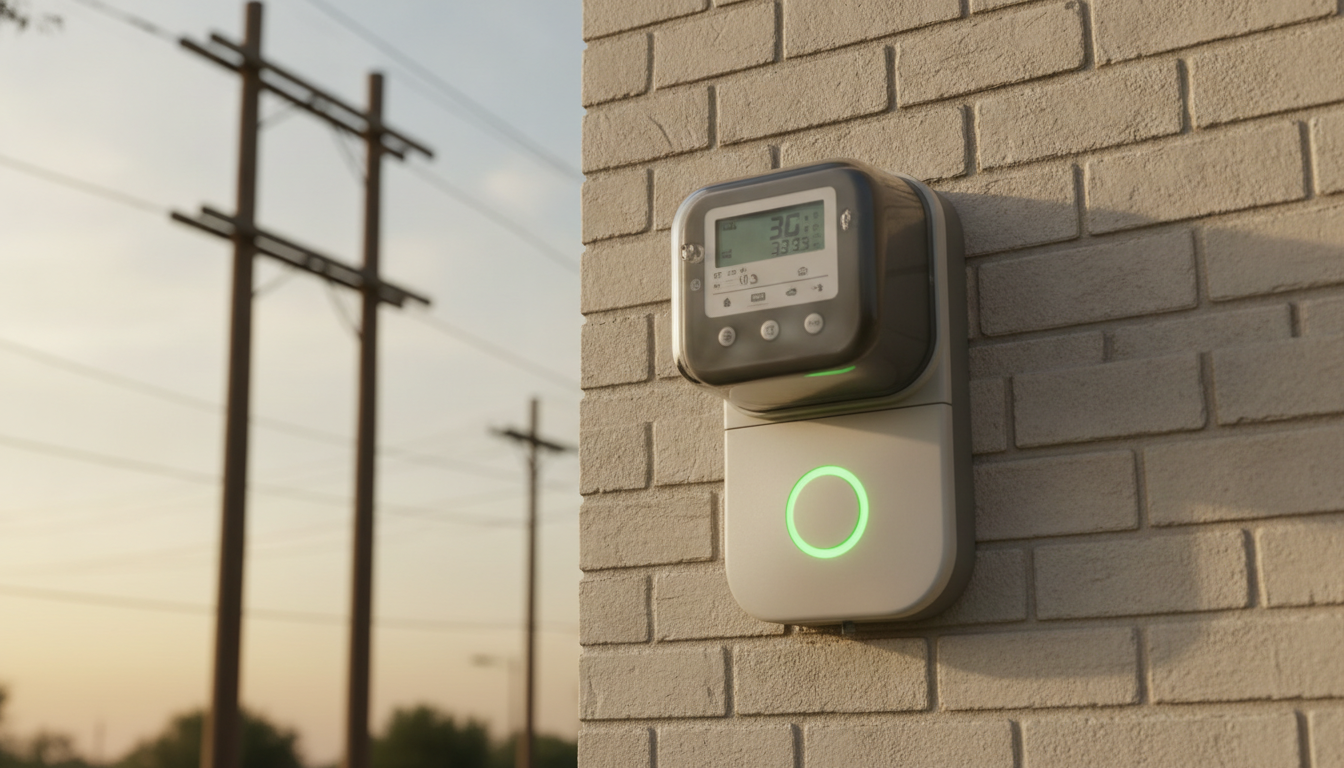
Your TDSP is your local utility company. Unlike REPs, you do not get to choose your TDSP; they are determined strictly by your physical location. The TDSP owns and maintains the physical poles, wires, high-voltage transmission lines, and smart meters in your area. Regardless of which retail provider you choose to handle your billing, your local TDSP remains the entity responsible for physically routing that electricity to your home meter and restoring power during an outage.
There are six major TDSPs operating within the ERCOT grid in Texas:
- Oncor Electric Delivery: Serves the Dallas-Fort Worth metroplex, parts of West Texas, and the surrounding areas. If you require electricity dallas neighborhoods count on Oncor to manage the physical infrastructure.
- CenterPoint Energy: Covers the greater Houston metropolitan area. If you are looking for electricity Houston residents rely on CenterPoint to maintain the grid.
- AEP Texas Central: Services Southern Texas, including cities like Corpus Christi, Laredo, and McAllen.
- AEP Texas North: Covers Northern and Western Texas regions, including Abilene and San Angelo.
- Texas New-Mexico Power (TNMP): Manages several non-contiguous areas across the state, including parts of the Gulf Coast, West Texas, and North-Central Texas.
- Lubbock Power & Light (LP&L): The newest addition to the competitive ERCOT grid, having successfully transitioned its customers to the competitive retail market.
How the System Works Together
When comparing residential contracts or looking for competitive business electricity plans, navigating the official power to choose platform can sometimes feel overwhelming. Many consumers seeking alternative options like a prepaid electric service still need to understand that regardless of the billing structure, the local utility remains exactly the same.
Whether you choose a fixed-rate product from a top-tier provider like APG&E or utilize a specialized plan, the TDSP charges (which are regulated by the Public Utility Commission of Texas, or PUCT) are simply passed through on your monthly bill. These distribution charges cover the cost of maintaining the wires and poles, and they remain identical for every single home within that specific utility’s geographic footprint, no matter which REP you use.
Simplifying Your Energy Journey with ElectricityOne
At ElectricityOne, we understand that navigating the nuances of the Texas energy market can be complex. We are dedicated to helping Texas homes and businesses make informed, stress-free decisions.
- Over 20 Years of Trusted Service: Providing reliable, quick, and courteous electrical connections for Texas communities.
- Prominent Education Platform: We connect customers with the finest REPs in the state—like APG&E—while explaining the role of your local utility.
- Meticulous Provider Selection: We partner only with REPs that offer substantial cost savings, transparent disclosure of all costs/fees, and long-term satisfaction.
- No Hidden Surprises: We help you clearly identify and understand the TDU pass-through charges before you sign.
Ready to find the best energy plan for your specific utility delivery area? Call 1.844.567.2863 today to speak with our Texas energy experts.
Frequently Asked Questions
Can I choose my Transmission and Distribution Service Provider (TDSP)?
No. Your TDSP is determined entirely by your geographic location. The physical infrastructure in your area is owned and operated by a single utility company, which remains responsible for delivering electricity to your home regardless of which retail provider you choose.
Who do I call if my power goes out?
In the event of an outage or downed power line, you must contact your local TDSP (such as Oncor, CenterPoint, or AEP), not your retail electric provider. Your TDSP owns the physical grid and is the only entity equipped to dispatch crews to restore your service.
How do TDSP charges impact my monthly bill?
TDSP charges are government-regulated, pass-through fees that cover the maintenance of poles, wires, and meters. They are approved by the PUCT and are passed directly from the utility to your retail provider, who then displays them on your monthly bill. These charges apply to all customers within a utility territory, regardless of their retail provider.