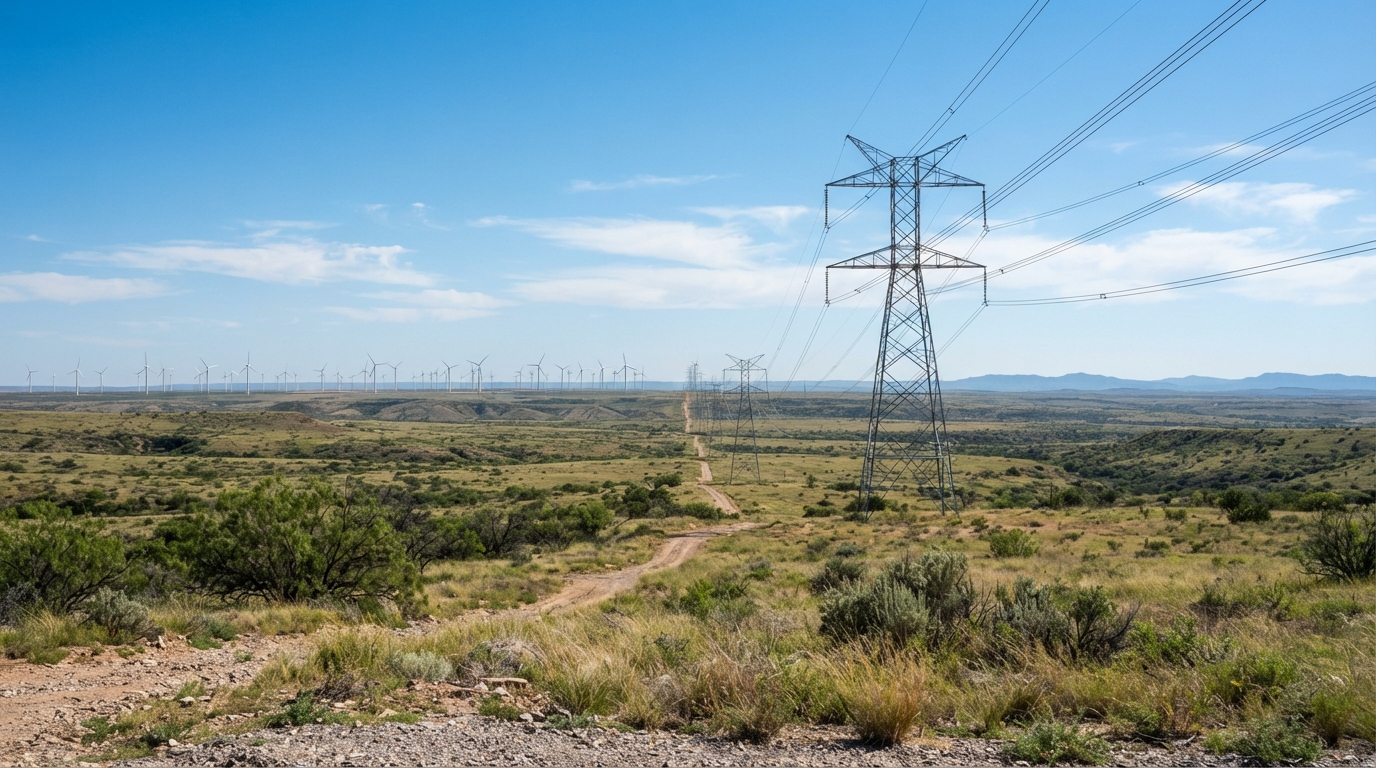
Living in West and Central Texas means experiencing wide-open spaces, vibrant communities, and a unique approach to how your home or business receives electricity. If you reside in hubs like Abilene, San Angelo, Alpine, or Vernon, you are likely part of a massive 53,000-square-mile regional grid. Understanding how your utility structure works is the first step toward lowering your monthly bills and taking true control of your energy consumption.
Decoding Your West Texas Utility Structure
Many residents often confuse the company that generates or sells their power with the entity that physically maintains the poles and wires. In the Lone Star State’s deregulated market, keeping things straight requires knowing the difference between your Retail Electric Provider (REP) and your Transmission and Distribution Service Provider (TDSP). While your REP handles your customer service and billing, the local utility company is responsible for the actual infrastructure.
The Mechanics Behind Your Bill
When reviewing your monthly electric statement, you will notice that costs are generally split into generation charges and delivery charges. To master your monthly budgeting, it helps to understand aep texas north delivery charges, which are regulated by the Public Utility Commission of Texas (PUCT). These fees cover the cost of transporting electricity across high-voltage lines, maintaining local transformers, and quickly restoring service after severe West Texas storms.
Navigating the Deregulated Market with Confidence
Because Texas allows residents to shop the market, you aren’t stuck with just one company for your supply. Whether you are looking for traditional fixed-rate options, green energy sources, or prepaid electric service, the power to choose is entirely in your hands. For commercial enterprises searching for stability, comparing business electricity plans can also yield substantial overhead savings.
Navigating these choices across different utility regions—whether you are comparing local options or investigating alternatives like electricity Houston and electricity dallas—can sometimes feel overwhelming. That is where a trusted platform makes all the difference.
Why Texas Residents Trust ElectricityOne
Finding the right energy partner doesn’t have to be a guessing game. ElectricityOne bridges the gap between consumers and the finest energy providers in the state.
- Over 20 years of dedicated experience providing reliable, quick, and courteous electric service guidance for Texas homes and businesses.
- A meticulous provider selection process ensuring partnerships only with REPs that offer genuine cost savings.
- Absolute transparency regarding all costs and fees, ensuring no hidden surprises on your bill.
- Empowering consumers with resources similar to the state’s official power to choose portal to streamline shopping.
Empowering Your Energy Decisions
Understanding how your utility operates gives you a distinct advantage. While your REP handles your billing and plan details, the infrastructure is maintained by the local utility grid. Knowing this distinction ensures you always call the right entity during an emergency and helps you interpret your monthly statement with absolute clarity. Ready to find the best energy plan for your AEP North delivery area? Call 1.844.567.2863 today to speak with our Texas energy experts.
Frequently Asked Questions
Are delivery charges set by my electric provider?
No. Delivery and transmission charges are set by the utility company and regulated by the Public Utility Commission of Texas. Every Retail Electric Provider passes these exact costs through to the consumer without markup.
Can I change my utility provider in West Texas?
No, your utility provider is assigned based strictly on your geographic location. However, you have complete freedom to choose and change your Retail Electric Provider (REP) as often as your contract terms allow.
Who do I call if my power goes out?
You should always contact the local utility company directly to report outages or downed power lines, as they own and operate the physical electrical infrastructure in your neighborhood.