For many Texans, opening a monthly electric bill can bring a moment of confusion. You might have carefully selected an eco-friendly energy plan from a premier brand like Gexa Energy, yet you still see the name of another company—like Oncor or CenterPoint—listed on your statement or printed on the side of the utility trucks in your neighborhood. To navigate the deregulated Texas energy market successfully, it is essential to understand how these entities work together to power your home.
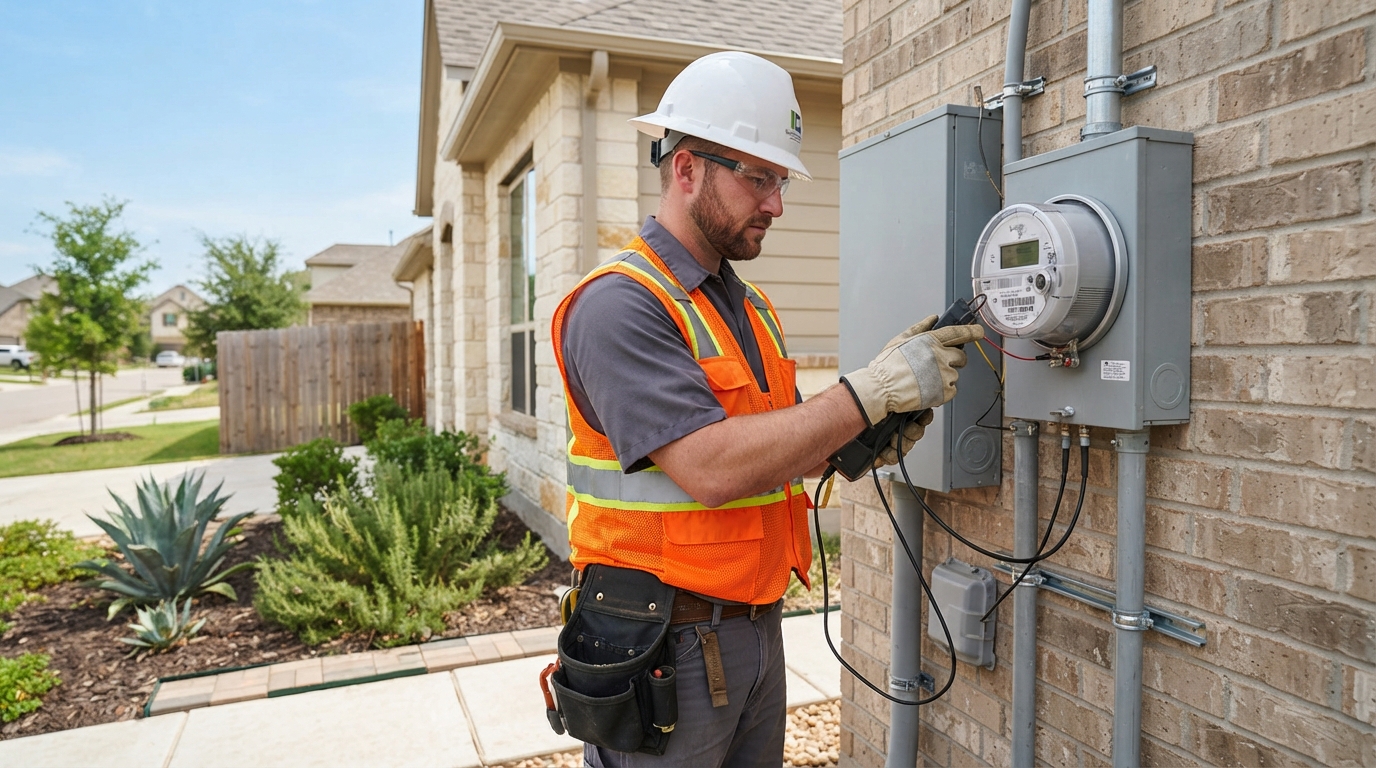
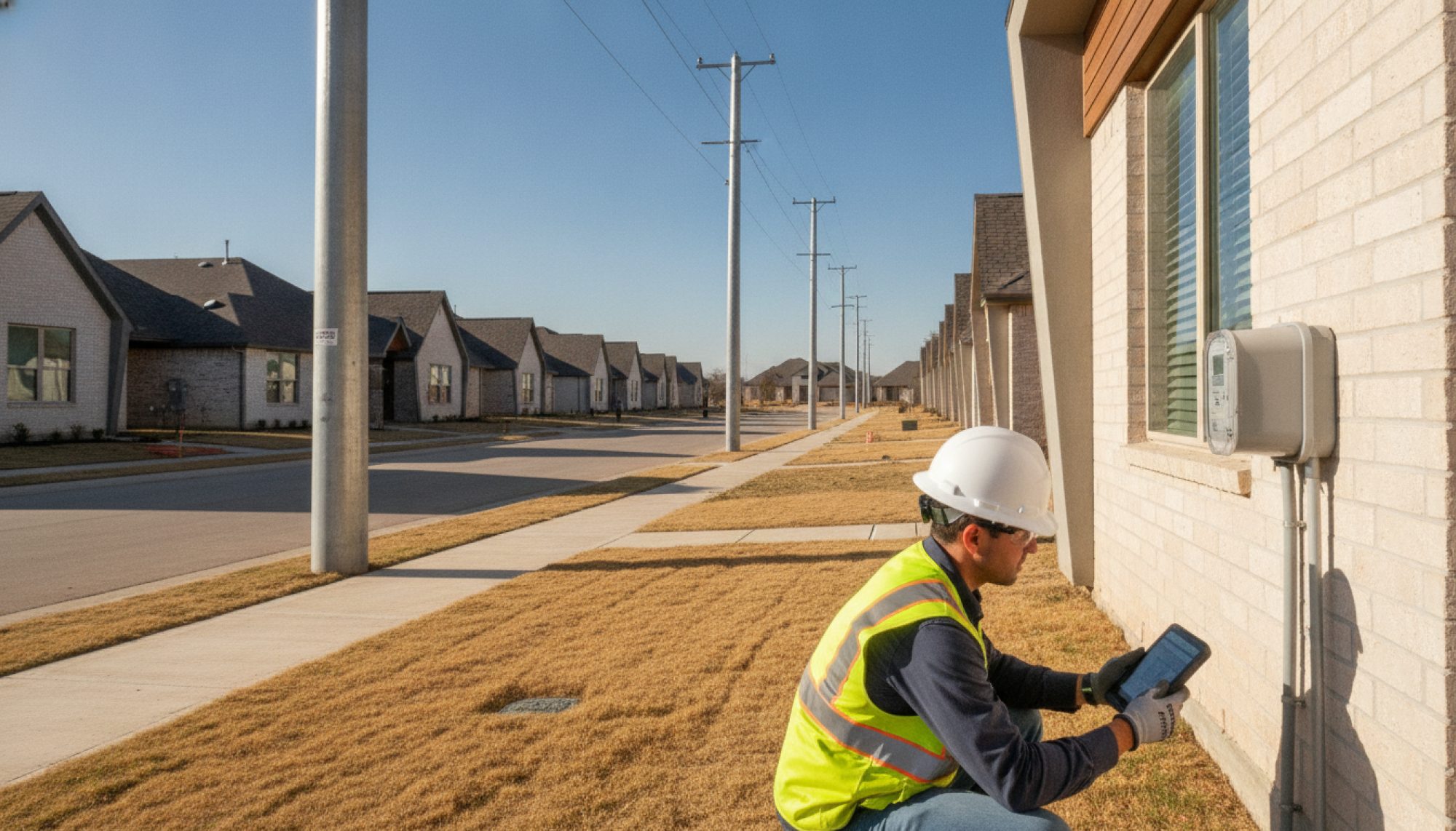
At the heart of this system is a fundamental question: what is a transmission and distribution service provider? Often abbreviated as TDSP or TDU, this is the utility company responsible for maintaining the physical infrastructure of the grid. While you choose a Retail Electric Provider (REP) to buy your electricity from, your TDSP is the company that actually delivers those electrons to your home, maintains the poles and wires, and responds to local power outages.
The Geography of the Texas Grid: Six Major TDSP Territories
The Texas deregulated market is divided into distinct geographical service territories. Your physical address determines your TDSP; you cannot choose your utility company. These utilities maintain the physical integrity of the ERCOT grid across different regions:
- Oncor Electric Delivery: As the largest TDSP in the state, Oncor services millions of homes and businesses, making it the primary utility for those shopping for electricity dallas and across North Texas.
- CenterPoint Energy: This utility manages the transmission infrastructure for the Houston metropolitan area. If you are comparing rates for electricity Houston, CenterPoint is the entity that physically delivers your power.
- AEP Texas Central & AEP Texas North: Covering vast portions of South, West, and Central Texas, these two divisions of American Electric Power ensure rural and urban communities alike remain connected.
- Texas New-Mexico Power (TNMP): Servicing various pockets of Texas, including communities north of Houston, parts of West Texas, and areas near the Gulf Coast.
- Lubbock Power & Light (LP&L): As the newest major participant in the competitive Texas market, LP&L has transitioned its customers into the deregulated grid, expanding consumer choice in the South Plains.
Retail Providers vs. Utilities: How Gexa Energy Fits In
Understanding the distinction between your chosen REP and your local TDSP helps clarify how your energy is sourced and delivered. A retail provider like Gexa Energy purchases wholesale electricity and designs plans tailored to your lifestyle. For example, when you enroll in the Gexa Eco Saver Plus 12 Plan, you are choosing a plan where Gexa offsets your entire annual usage with 100% renewable energy credits.
However, Gexa Energy does not own the physical power lines. Once Gexa secures your green energy supply, your local TDSP is the physical entity moving those electrons over the physical wire grid to your home. Because of this, standard TDSP delivery charges are approved by the Public Utility Commission of Texas (PUCT) and are passed through to your bill, regardless of which retail provider or plan you choose.
Simplifying the Texas Energy Market with ElectricityOne
Navigating the relationship between retail providers, utility zones, and delivery fees can feel overwhelming. That is where ElectricityOne comes in. As a trusted platform dedicated to simplifying the energy shopping experience, ElectricityOne helps Texas residents and businesses find clarity and value.
- Over 20 Years of Experience: Providing reliable, quick, and courteous electric service for Texas homes and businesses.
- Meticulous Selection Process: Partnering only with premier REPs that offer transparent terms and long-term satisfaction.
- Comprehensive Options: Whether you need standard fixed-rate plans, specialized business electricity plans, or a flexible prepaid electric service, we help you find the right fit.
- No Hidden Fees: Ensuring all TDU pass-through charges and supply costs are fully disclosed upfront.
While the state-sponsored power to choose portal lists hundreds of confusing options, ElectricityOne curates the finest plans to ensure you avoid hidden traps and secure genuine cost savings.
How TDSP Roles Impact Your Monthly Bill and Emergencies
Recognizing the role of your TDSP is highly actionable. First, it explains why your bill includes both energy supply charges (from your REP) and delivery charges (from your TDSP). The delivery charges cover the cost of maintaining the smart meters, poles, and wires in your specific geographic zone.
Second, this distinction is critical during an emergency. If your lights go out or you spot a downed power line, contacting your retail provider will not resolve the issue. You must contact your local TDSP directly, as they are the only entity authorized to dispatch crews and repair the physical infrastructure in your area.
Ready to find the best energy plan for your specific utility delivery area? Call 1.844.567.2863 today to speak with our Texas energy experts.
Frequently Asked Questions
What is the difference between a REP and a TDSP?
A Retail Electric Provider (REP) sells you electricity plans, manages your billing, and handles customer service. A Transmission and Distribution Service Provider (TDSP) owns and maintains the physical poles, wires, and meters, and delivers the electricity physically to your property.
Why do I have to pay TDSP delivery charges on a green energy plan?
Even if you choose an eco-friendly plan that offsets your usage with renewable energy credits, the physical electricity must still travel across the physical power grid maintained by your local utility. TDSP charges are regulated fees that cover this physical delivery and grid maintenance.
Who do I call if my power goes out?
In the event of a power outage, you should contact your local TDSP (such as Oncor, CenterPoint, AEP, TNMP, or LP&L) rather than your retail provider. The TDSP owns and services the physical grid infrastructure and is responsible for restoring power.