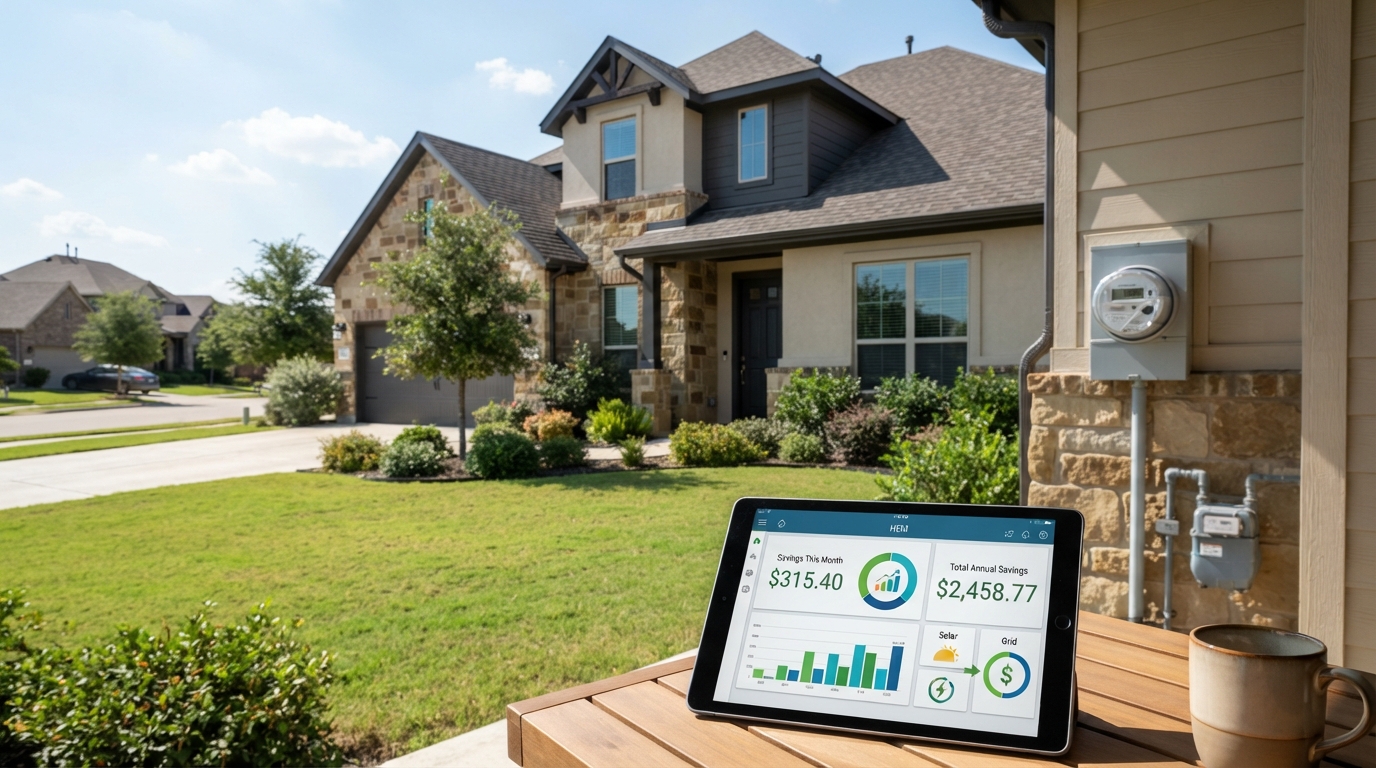
Many Texans living in communities like League City, Texas City, or the scattered suburbs of Dallas-Fort Worth are surprised when they look closely at their monthly electricity statements. Even if you have done your homework to find a competitive energy rate, a significant portion of your monthly bill goes toward maintaining the physical grid. If you live within the Texas-New Mexico Power (TNMP) territory, you will notice specific fees listed as tnmp delivery charges. Understanding these charges is the first step to taking complete control of your household utility budget.
What Are TNMP Delivery Charges?
To understand these fees, it is essential to distinguish between your Retail Electric Provider (REP) and your Transmission and Distribution Service Provider (TDSP). While your REP is the company that sells you electricity and manages your billing, TNMP is the utility company that actually delivers the physical power to your home. TNMP serves approximately 270,000 customers across a unique, non-contiguous footprint spanning North Texas, the Gulf Coast, and parts of West Texas.
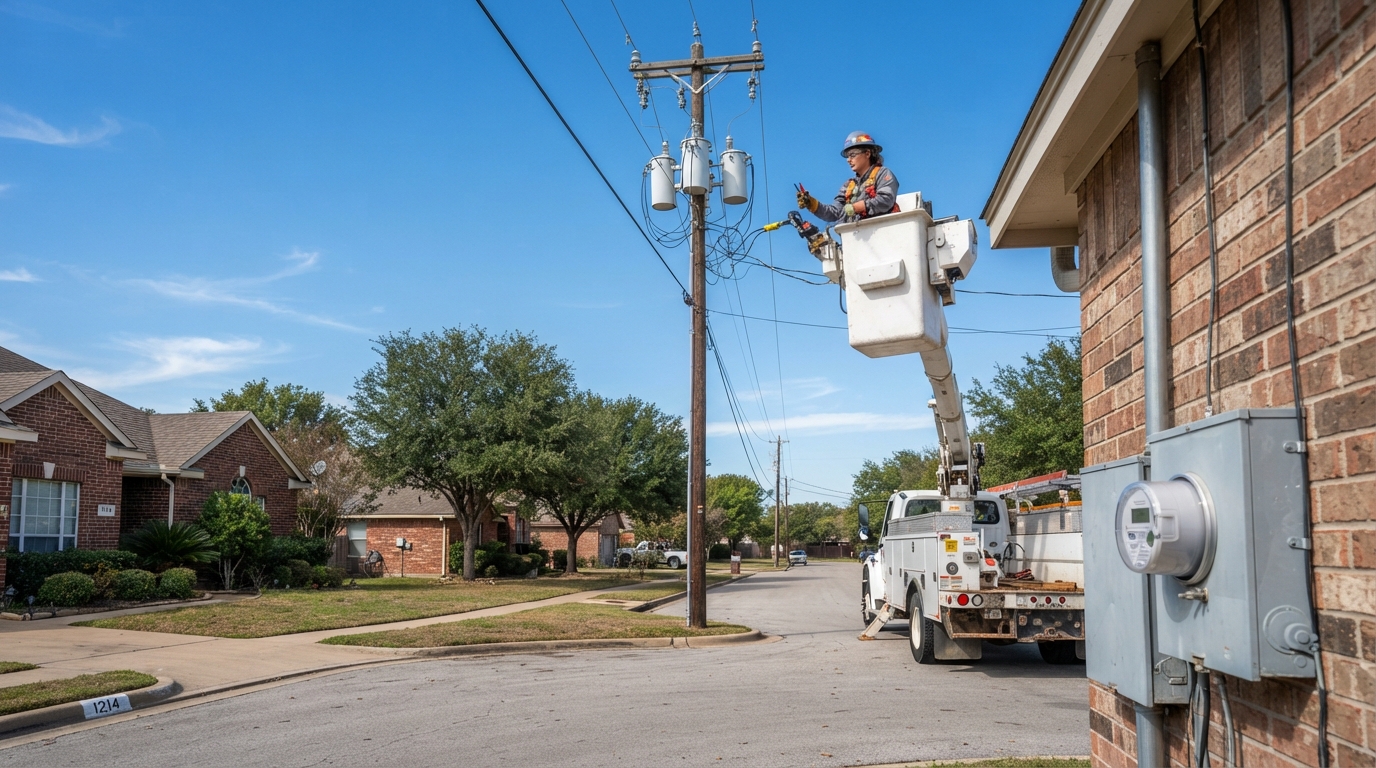
Because TNMP owns and maintains the poles, wires, substations, and smart meters in these areas, they charge for this infrastructure. These regulated distribution costs are approved by the Public Utility Commission of Texas (PUCT) and are passed directly to consumers. Whether you are shopping for electricity Houston area residents rely on near the coast, or looking at plans near the electricity dallas suburbs, these delivery charges remain a constant, non-negotiable part of your bill.
Breaking Down the Components of Your TNMP Fees
TNMP delivery fees are split into distinct parts on your monthly statement. Knowing what these represent can help you make sense of your energy expenses:
- The Customer Charge: A flat, fixed monthly utility fee charged per billing cycle. This fee does not change based on how much energy you consume and covers administrative costs like billing and customer service from the utility.
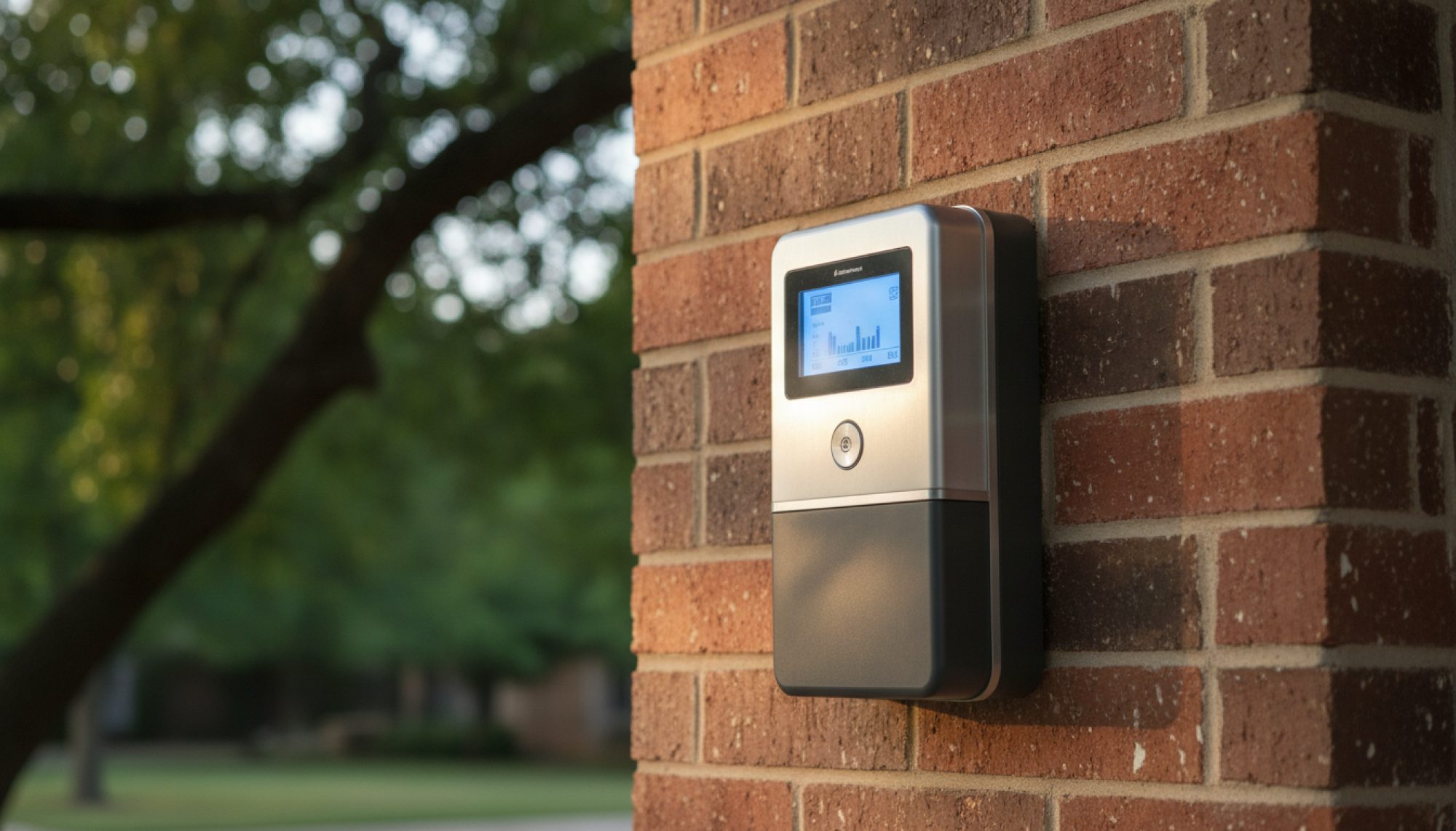
- The Metering Charge: A monthly fee associated with reading and maintaining your advanced digital smart meter.
- Distribution System Charge: A variable cost per kilowatt-hour (kWh) that covers the physical transportation of electricity through local low-voltage power lines to your home.
- Transmission Cost Recovery (TCRF): A variable charge that covers the cost of moving high-voltage electricity from power plants across the state to TNMP’s local distribution network.
Whether you are comparing plans for your home or researching business electricity plans for a commercial property, these charges are always present. Even if you choose a flexible prepaid electric service, the underlying utility delivery costs are factored into your overall rate structure.
How ElectricityOne Helps You Navigate TNMP Charges
While shopping on platforms like the state’s power to choose website can show you retail rates, they often list utility delivery charges separately, which can confuse shoppers. That is where ElectricityOne simplifies the process. We connect TNMP-area residents with top-tier Retail Electric Providers through a highly transparent selection process.
Here is why Texas residents trust ElectricityOne to guide their energy decisions:
- Over 20 Years of Experience: We have spent over two decades providing reliable, quick, and courteous electric service connections for Texas homes and businesses.
- Meticulous Provider Selection: We partner exclusively with REPs that offer substantial cost savings and long-term satisfaction.
- Transparent Disclosure: We ensure all plans on our platform clearly disclose all costs and fees, including TNMP pass-through charges, so there are no surprises.
- Expert Support: Our dedicated energy professionals help you compare plans side-by-side to find the absolute best fit for your unique utility zone.
Why Knowing the Difference Matters in an Emergency
Understanding the division of labor between your REP and TNMP is especially important during a power outage or physical emergency. If you have billing questions or want to change your plan, you should contact your retail provider. However, if your lights go out, or if you spot a downed power line, calling your REP will only delay response times. In these situations, you must contact TNMP directly, as they are the ones who dispatch crews to repair the physical infrastructure and restore power to your neighborhood.
Take Control of Your Energy Costs Today
By understanding how TNMP delivery charges are structured, you can read your monthly electric bill with confidence and make more informed decisions when shopping for a new energy plan. Ready to find the best energy plan for your TNMP delivery area? Call 1.844.567.2863 today to speak with our Texas energy experts.
Frequently Asked Questions
Are TNMP delivery charges the same for every retail electric provider?
Yes. TNMP delivery charges are set and regulated by the Public Utility Commission of Texas (PUCT). Regardless of which Retail Electric Provider (REP) you choose, these exact pass-through charges will be billed at the same rate based on your physical location.
How often do TNMP delivery charges change?
These regulated charges typically adjust twice a year, usually in March and September. These adjustments allow TNMP to recover costs associated with grid upgrades, maintenance, and federal regulatory changes approved by the PUCT.
Can I avoid paying TNMP delivery charges?
No. Anyone connected to the physical electricity grid within the TNMP service territory must pay these delivery charges. They cover the necessary maintenance, delivery, and safety of the electrical infrastructure that powers your home.