
Navigating the complex world of Texas energy deregulation can feel overwhelming for Dallas homeowners and renters alike. With a massive lineup of options flooding the market, finding the right power solution requires more than just picking the first name you see. Whether you are setting up service in a downtown high-rise or a suburban family home, understanding how the local infrastructure works is the first step toward optimizing your monthly overhead. When researching compare electricity providers becomes a priority, knowing what to look for on your mandatory Electricity Facts Label (EFL) will protect you from unexpected bill spikes and high minimum-usage penalties.
Mastering the Dallas-Fort Worth Energy Landscape
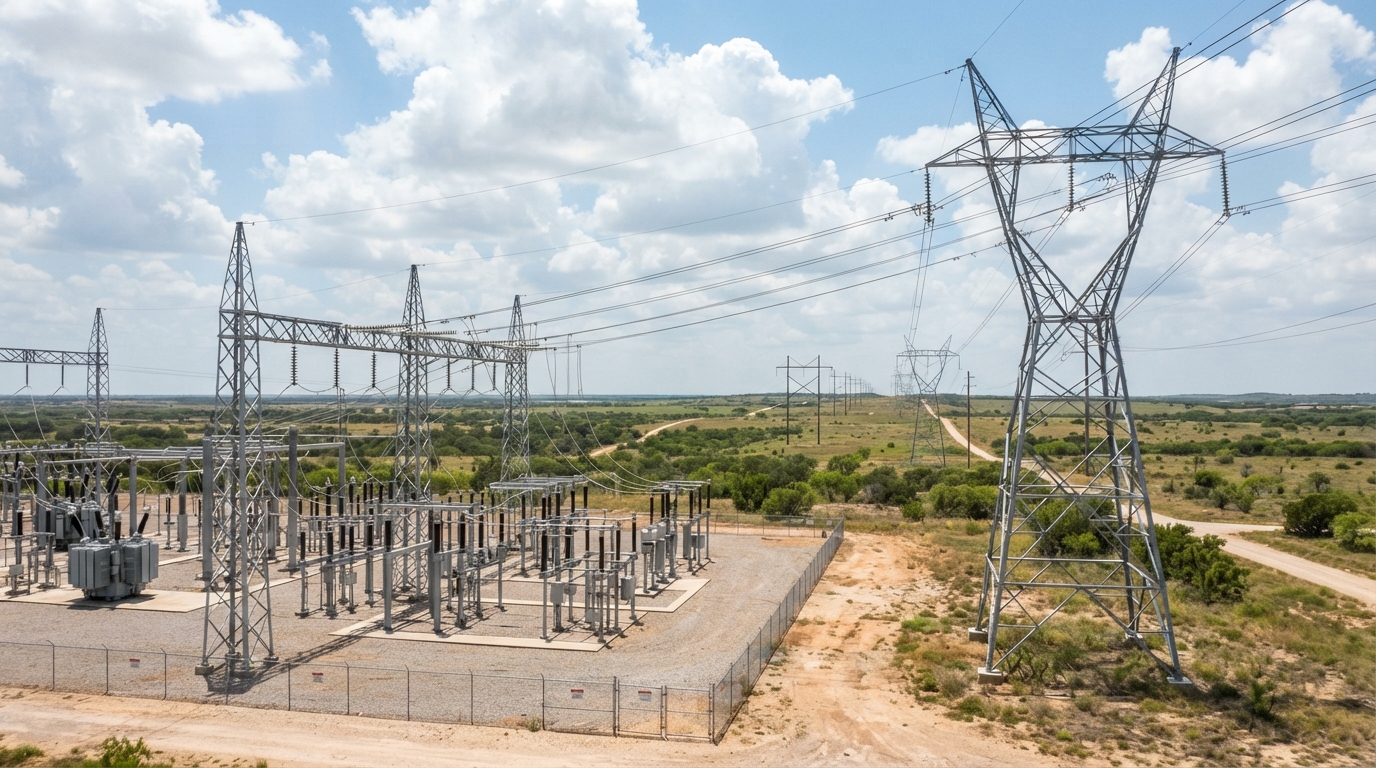
To successfully shop for electricity dallas, it helps to understand the unique division of labor in the Lone Star State. In the Dallas-Fort Worth metroplex, your physical power lines, poles, and smart meters are managed entirely by Oncor, which serves as your local Transmission and Distribution Service Provider (TDSP). Regardless of which Retail Electric Provider (REP) you select, Oncor remains responsible for delivering electricity reliably to your doorstep and restoring power during outages.
However, thanks to the state’s deregulated market, you possess the ultimate power to choose the company that actually bills you for your consumption. This competitive structure allows you to shop around for terms, contract lengths, and green energy incentives. Beyond residential setups, local enterprises can also explore customized business electricity plans to keep overhead manageable. For consumers who prefer flexible payment structures without traditional credit checks, options like prepaid electric service offer an alternative path to powering your property.
Spotting Hidden Fees on Your Electricity Facts Label
The biggest trap for unwary consumers shopping the Dallas market is failing to read the fine print on the EFL. Many plans look attractive based on a baseline cost per kilowatt-hour, but they often include complex billing mechanics. Watch out for plans that feature tiered usage credits or high minimum-usage fees that penalize you if your household stays below or exceeds a very specific threshold of power consumption.
Why Trust ElectricityOne for Your Dallas Home
Cutting through the noise of unvetted options requires an authoritative guide you can trust. ElectricityOne bridges the gap between everyday consumers and the finest Retail Electric Providers in the state.
- Over 20 years of dedicated experience providing reliable, quick, and courteous electric service for Texas homes and businesses.
- Lightning-fast activation times to ensure your home or business never misses a beat during a local move.
- A meticulous provider selection process ensuring partnerships only with REPs that offer substantial cost savings and total transparency.
Secure Long-Term Peace of Mind
Transitioning to a better energy plan doesn’t have to be a stressful chore. By partnering with a trusted platform that prioritizes transparent disclosure of all costs and fees, you lock in long-term satisfaction and predictable household expenses. Ready to find the perfect plan for your Dallas home or apartment? Call 1.844.567.2863 today to speak with our Texas energy experts.
Frequently Asked Questions
Who do I call if my power goes out in Dallas?
If you experience a power outage or notice damaged power lines, you should contact Oncor, the local TDSP responsible for maintaining the physical electrical infrastructure in the Dallas-Fort Worth area, rather than your Retail Electric Provider.
What is an Electricity Facts Label (EFL)?
An EFL is a standardized document mandated by Texas regulators that outlines all pricing details, fees, contract terms, and renewable energy content for a specific electricity plan, allowing consumers to evaluate offers accurately.
How can I avoid surprise charges on my monthly Dallas electric bill?
Carefully review the EFL before signing any contract, paying close attention to base fees, usage thresholds, and variable rate clauses that could cause your cost per kilowatt-hour to fluctuate unexpectedly.