
Navigating the Texas energy market in Abilene can feel overwhelming whether you are setting up your first off-campus apartment near Abilene Christian University (ACU), relocating to Dyess Air Force Base, or building a brand-new home in Taylor County. While energy deregulation offers remarkable freedom, identifying the right retail provider out of dozens of competing power companies requires a clear understanding of your household’s unique lifestyle and living setup.
Understanding the Local Grid: AEP Texas North vs. Retail Electric Providers
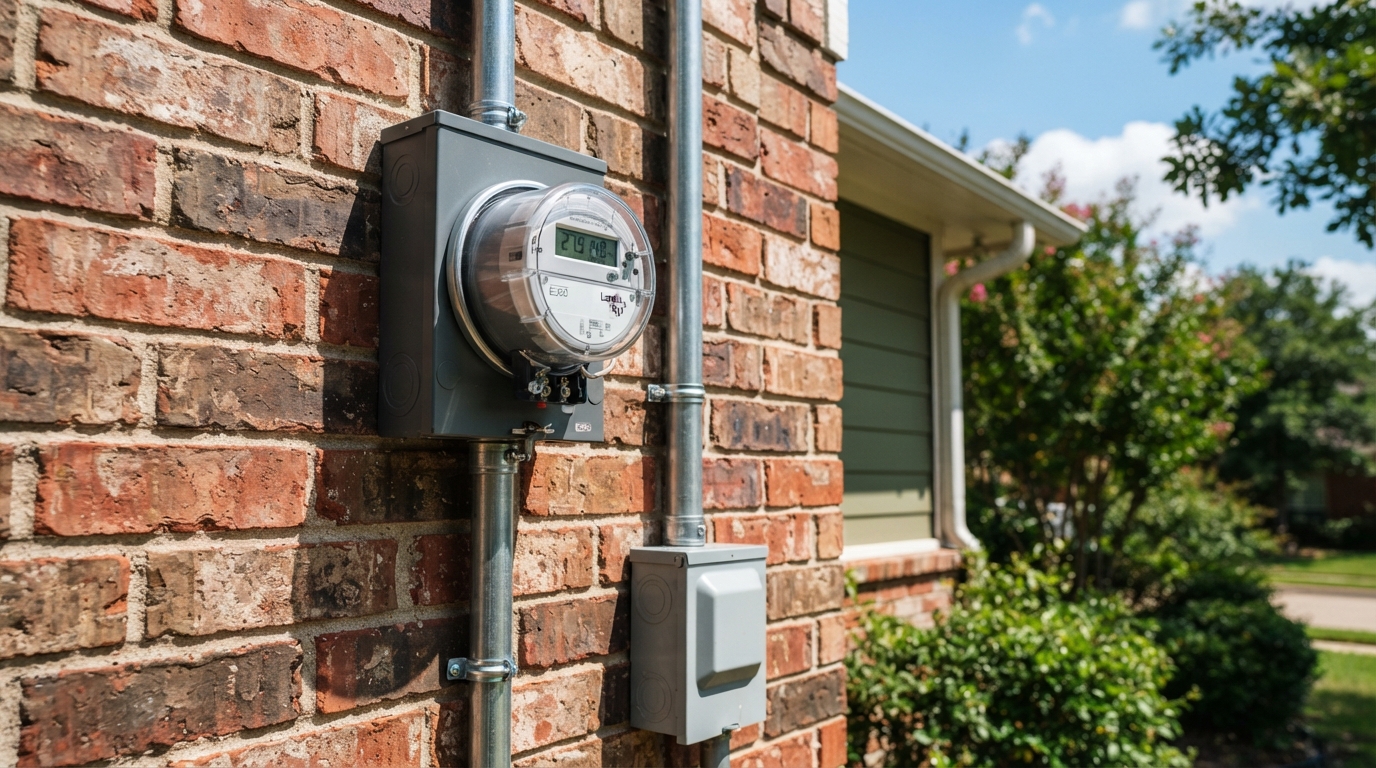
Before diving into plan structures, it is vital to understand how electricity works in West Texas. Regardless of which retail provider bills you each month, your physical power lines, poles, and smart meters are maintained by AEP Texas North, the local Transmission and Distribution Utility (TDSP). AEP Texas North handles emergency repairs and outage restorations, ensuring that your power delivery remains steady and reliable. However, when it comes to choosing your supply plan, you have the full authority to shop around, similar to consumers evaluating electricity Houston or comparing options for electricity dallas.
Tailoring Energy Strategies to Your Abilene Living Setup
1. Military Families at Dyess Air Force Base
Service members and their families moving to the area often face sudden deployment orders or unexpected PCS transfers. For active-duty military personnel living off-base, signing a long-term contract with massive early termination fees can be risky. Looking for flexible contract terms or military-friendly policies is critical to maintaining low overhead without stress.
2. ACU, Hardin-Simmons, and McMurry University Students
College students living in nearby apartments often have temporary living arrangements and smaller energy footprints. For short-term leases or shared student housing, a flexible plan or even a fast-turnaround prepaid electric service can eliminate credit checks and deposit requirements, keeping initial setup costs manageable during the school year.
3. Suburban Homeowners and Taylor County New Builds
For larger single-family homes, power consumption spikes during intense West Texas summer heatwaves. Homeowners benefit most from fixed-rate contracts that protect against market volatility. Furthermore, business owners operating in the city can secure customized business electricity plans to keep commercial facilities running smoothly year-round.
How ElectricityOne Simplifies Your Search
Instead of getting lost on state portals like the power to choose site, where confusing tiered structures and hidden minimum-usage penalties are common, ElectricityOne does the heavy lifting for you. We filter out unvetted providers so you can select your energy plan with total confidence.
- 20+ Years of Industry Experience: Over two decades of expertise serving Texas residential and commercial customers.
- Strict Provider Vetting: We partner exclusively with retail providers that commit to transparent pricing, zero hidden fees, and exceptional customer service.
- Seamless, Quick Activation: Fast connection processes designed to ensure your power is on before moving day.
Achieve Long-Term Peace of Mind in West Texas
Securing the right energy coverage for your household brings lasting financial predictability, letting you focus on settling into your new neighborhood. Ready to find the perfect plan for your Abilene home or apartment? Call 1.844.567.2863 today to speak with our Texas energy experts.
Frequently Asked Questions
Who do I call if my power goes out in Abilene?
You should contact AEP Texas North, as they manage the local electrical grid and infrastructure across West Texas, regardless of which retail energy company provides your billing plan.
Can active-duty military members waive early termination fees in Texas?
Many top retail electric providers offer special exemptions or military waivers for military personnel receiving official PCS or deployment orders, allowing flexibility without penalty.
How do I avoid hidden penalties when selecting a plan?
Always review the Electricity Facts Label (EFL) associated with the plan to check for tiered usage thresholds or minimum usage fees that can artificially inflate your average cost per kilowatt-hour.