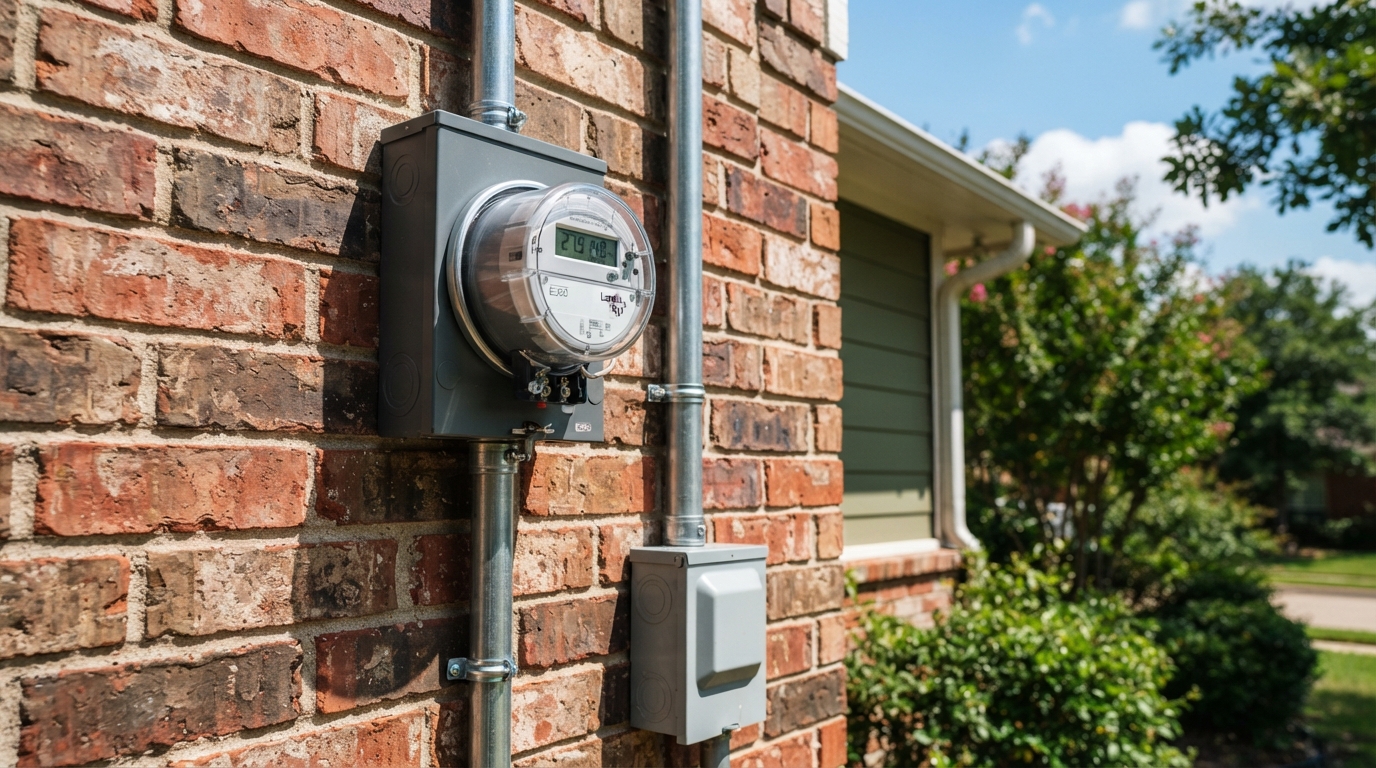

Shopping for home energy in Texas can feel like navigating a high-stakes maze. With hundreds of retail electric providers competing for your attention, finding a plan that actually fits your budget is easier said than done. Many Texas consumers feel overwhelmed by the sheer volume of choices, often falling into traps that lead to massive bill spikes. While searching for cheap electricity plans, it is critical to understand how the deregulated Lone Star market operates so you can protect your wallet.
The Mechanics of Texas Energy: REPs vs. TDUs
In Texas, the Public Utility Commission of Texas (PUCT) oversees the deregulated market, but your service is split between two distinct entities: your Retail Electric Provider (REP) and your local Transmission and Distribution Utility (TDU). While your REP sells you the energy and handles billing, your TDU physically delivers the power and maintains the grid lines. If you are shopping for electricity Houston residents rely on, or looking up options for electricity dallas neighborhoods trust, understanding this distinction is the first step toward making an informed decision.
Decoding the Electricity Facts Label (EFL)
To truly understand what you are paying, you must look past the marketing headlines and dive into the Electricity Facts Label (EFL). Every REP is legally required to provide this document for every plan they offer. The EFL is your ultimate weapon against hidden fees, disclosing the exact breakdown of transmission charges, base fees, and usage-based rates.
Spotting Tiered Rates and Minimum Usage Penalties
Many seemingly affordable offers use “tiered pricing” or “minimum usage fees” to penalize customers who do not hit a specific consumption window. For example, a plan might offer a low rate only if you consume exactly a certain amount of kilowatt-hours per month. If your usage falls slightly above or below that threshold, your average cost per kilowatt-hour can skyrocket. By carefully reviewing the EFL, you can avoid these structural traps and secure a straightforward contract.
Filtering Out the Noise with ElectricityOne
While the state’s official power to choose website lists hundreds of offers, sorting through unverified plans can be exhausting. That is where an independent, vetted comparison platform like ElectricityOne makes the difference. Instead of leaving you to decode complex disclosures alone, we do the heavy lifting to connect you with premier REPs. Whether you are looking for standard residential service, flexible prepaid electric service, or commercial business electricity plans, our curated selection ensures transparency.
- Over 20 years of experience providing reliable, quick, and courteous electric service for Texas homes and businesses.
- A meticulous provider selection process that filters out hidden fees, tiered usage traps, and deceptive introductory rates.
- Partnerships only with reputable Retail Electric Providers (REPs) focused on long-term customer satisfaction and transparent pricing.
Secure Your Peace of Mind Today
Navigating Texas deregulation does not have to be a headache. By focusing on transparent disclosures and leveraging a trusted partner, you can secure reliable power without the fear of hidden fees. Ready to exercise your power to choose with confidence? Call 1.844.567.2863 today to speak with our Texas energy experts.
What is an Electricity Facts Label (EFL) and why is it important?
The EFL is a standardized disclosure document required by the PUCT. It details the exact pricing structure, contract terms, and fee breakdowns of an energy plan, allowing you to identify hidden charges and tiered rate penalties before signing.
What is the difference between an REP and a TDU in Texas?
An REP (Retail Electric Provider) is the company you purchase your electricity plan from and pay your monthly bills to. A TDU (Transmission and Distribution Utility) is the local utility company that maintains the physical power lines and delivers the electricity to your home.
How can I avoid hidden fees when shopping for Texas energy plans?
The most effective way to avoid hidden fees is to skip unvetted public listings and use a trusted, independent platform like ElectricityOne. We carefully vet every provider and plan to ensure complete transparency, protecting you from deceptive pricing structures.