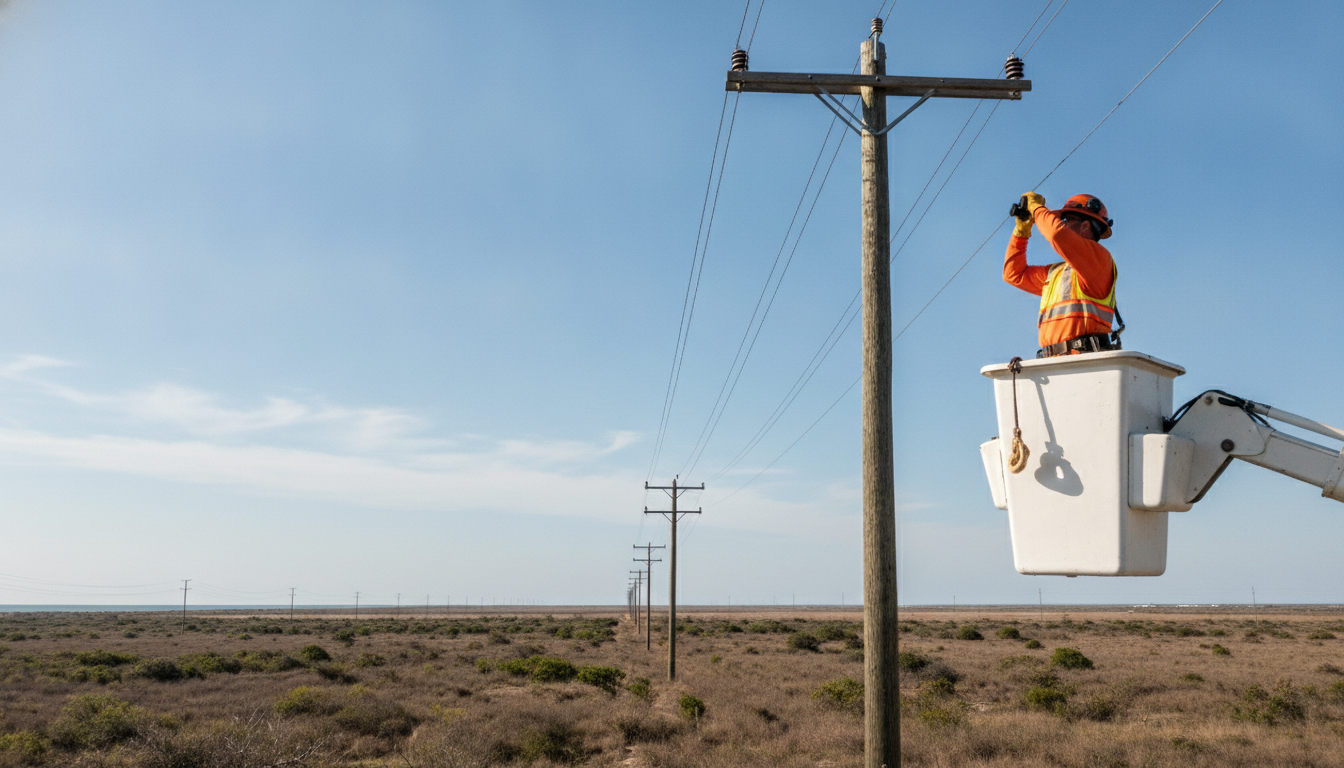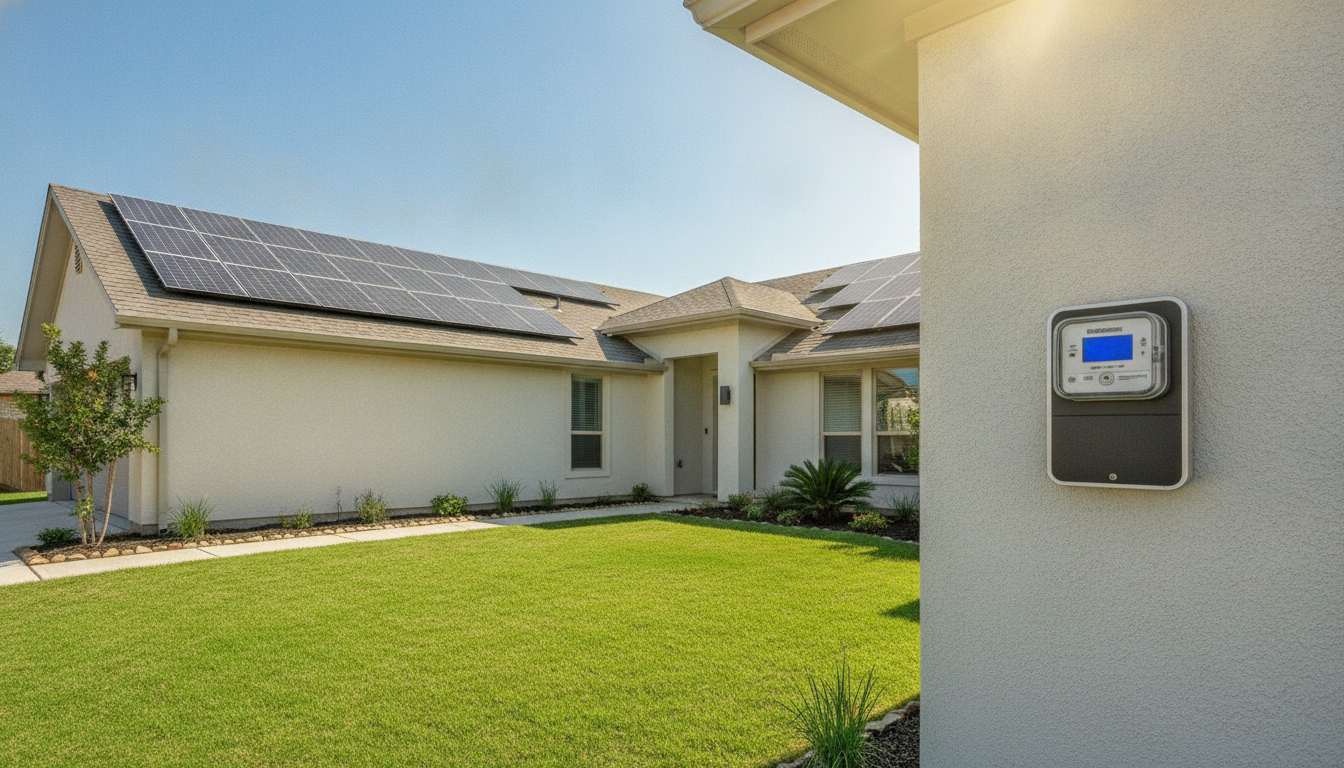
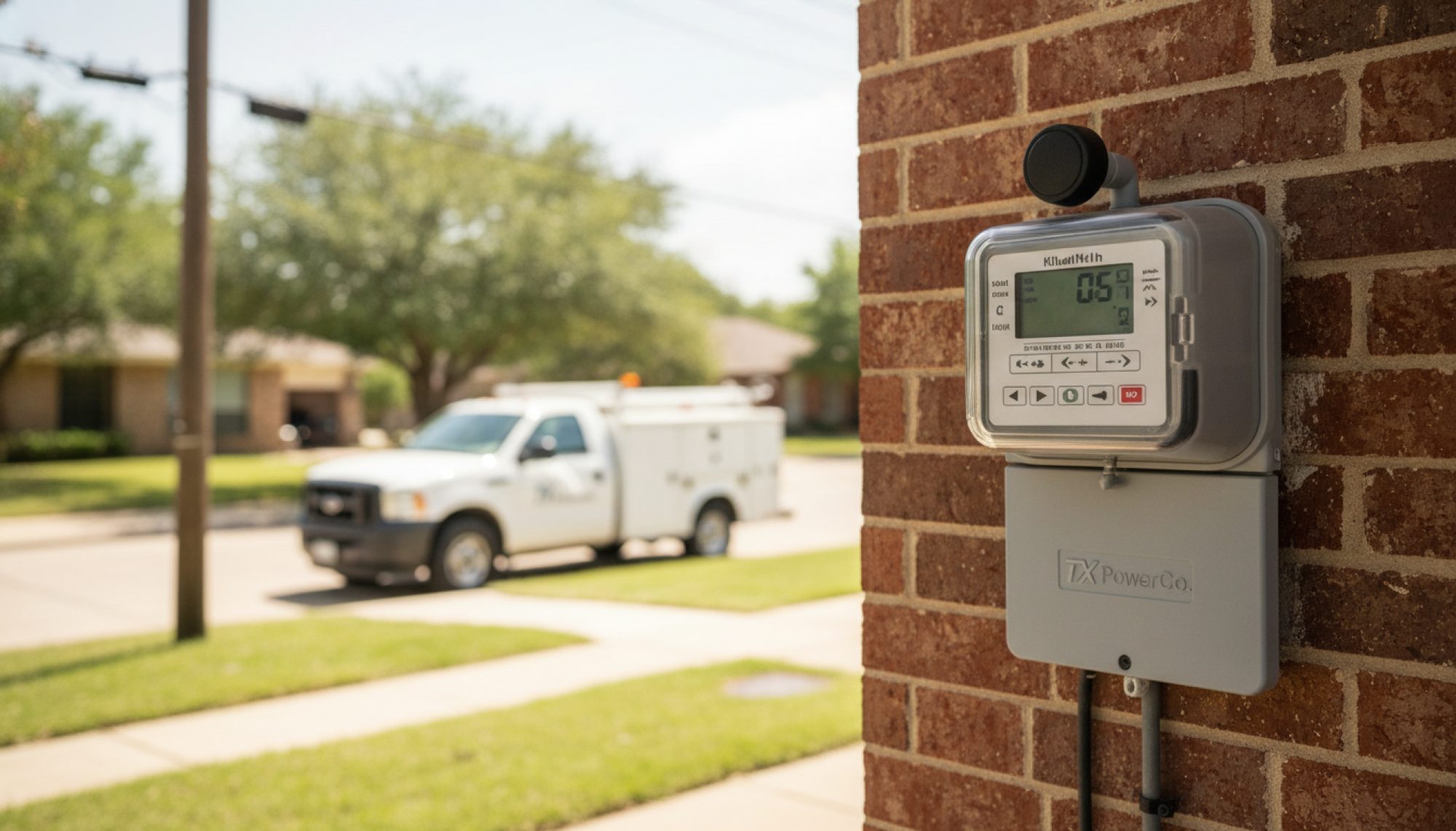
Many Texans signing up for electricity are confused when they select a provider like Payless Power, but then spot an Oncor or CenterPoint bucket truck working on their street. Why are there two different company names on your setup paperwork? The answer lies in the unique structure of the deregulated Texas energy grid, which splits responsibilities between Retail Electric Providers (REPs) and Transmission and Distribution Service Providers (TDSPs, also known as TDUs). Whether you are setting up electricity Houston residents rely on, or establishing electricity dallas neighborhoods depend upon, understanding this division of labor is key to managing your home’s utility budget.
The Critical Difference: REP vs. TDSP
In the Lone Star State, your electricity service is a partnership between two distinct entities. The Retail Electric Provider (REP) is the company you choose to buy your energy from, such as Payless Power. They manage your account, handle your billing, and provide customer support. The Transmission and Distribution Service Provider (TDSP), on the other hand, is the utility company that owns and maintains the physical poles, wires, transformers, and smart meters. They are responsible for actually delivering the electricity to your home, regardless of which REP sells you the power.
There are six major TDSPs operating within the ERCOT grid in Texas:
- Oncor: Serving Dallas-Fort Worth, West Texas, and parts of Central Texas.
- CenterPoint Energy: Serving the greater Houston metropolitan area.
- AEP Texas Central: Serving South Texas communities.
- AEP Texas North: Serving West Texas and northern municipal areas.
- Texas New-Mexico Power (TNMP): Serving various scattered regions across the state.
- Lubbock Power & Light (LP&L): The newly deregulated utility serving the Lubbock area.
Having texas tdsp delivery charges explained
When you look at your monthly statement or review plans on the power to choose portal, you will notice a portion of your cost is dedicated to TDSP delivery charges. These are regulated pass-through fees approved by the Public Utility Commission of Texas (PUCT). They exist to cover the costs of maintaining the electrical grid, repairing downed power lines after storms, and reading your smart meter.
Because these charges are set by the state and the local utility, they are completely non-negotiable. Every retail provider must pass these exact charges through to the consumer without any markup. These fees typically consist of a fixed monthly utility fee and a variable cost per kilowatt-hour. Whether you choose a traditional postpaid plan or a flexible prepaid plan, these regulated distribution charges will always be factored into your total energy costs.
How Prepaid Electricity Integrates TDSP Charges
For Texans seeking flexibility and budget control, Payless Power stands out as a premier REP. Known for their transparent terms and no-deposit options, they offer popular plans like the 6 Month – Prepaid and 12 Month – Prepaid options. These plans allow customers to establish a prepaid electric service where they maintain a prepaid daily balance rather than receiving a large bill at the end of the month.
While Payless Power manages your prepaid account and monitors your daily usage, your local TDSP still delivers the actual power to your home. When you sign up for Payless Power prepaid plans, the TDSP pass-through charges are calculated based on your daily consumption and deducted directly from your account balance. This ensures complete transparency, as you only pay for the exact grid delivery costs associated with the electricity you actually use.
Simplify Your Search with ElectricityOne
Navigating the complex landscape of Texas utilities and retail providers can be overwhelming. That is where ElectricityOne comes in. With over two decades of experience, ElectricityOne serves as a prominent platform that connects Texas residents and businesses with top-tier REPs while educating them on the vital role of local utilities.
When you shop through ElectricityOne, you benefit from:
- Over 20 years of experience providing reliable, quick, and courteous electric service.
- A meticulous provider selection process that partners only with reputable REPs like Payless Power.
- Complete transparency, ensuring all TDU pass-through charges and fees are clearly disclosed upfront.
- Expert assistance in securing both residential plans and competitive business electricity plans.
Who to Contact in an Emergency
Understanding the distinction between your REP and your TDSP is also crucial during emergencies. If you have questions about your prepaid balance, plan renewals, or daily usage, you should contact Payless Power. However, if your lights go out, a storm damages a local transformer, or you spot a downed power line, you must contact your local TDSP directly. Because the TDSP owns and maintains the physical infrastructure, they are the only ones who can dispatch a crew to restore your power.
Ready to find the best energy plan for your specific utility delivery area? Call 1.844.567.2863 today to speak with our Texas energy experts. Let ElectricityOne guide you to the perfect plan for your home or business.
Frequently Asked Questions
Are TDSP delivery charges the same across all of Texas?
No. TDSP delivery charges are determined by the specific utility company that services your geographic area. Each of the six major utilities has its own rate structure approved by the PUCT, meaning delivery charges in Houston under CenterPoint may differ from those in Dallas under Oncor.
Do I have to pay TDSP charges if I choose a prepaid plan?
Yes. TDSP delivery charges are mandatory state-regulated fees that cover the physical delivery of electricity to your home. Regardless of whether you choose a traditional postpaid plan or a prepaid plan from a provider like Payless Power, these charges will be passed through to cover grid maintenance.
How can I find out which TDSP services my home?
Your local TDSP is determined entirely by your physical address. You can easily find your utility company by looking at a previous electricity bill, checking your smart meter, or inputting your zip code on the ElectricityOne platform to view the available plans and corresponding utility provider for your area.