Living across the sprawling expanses of West and Central Texas means dealing with unique geographical and infrastructural realities when it comes to keeping the lights on. From the bustling hub of Abilene down to San Angelo, Alpine, and Vernon, residents and business owners rely on a massive, complex electric grid. If you have ever looked closely at your monthly electricity bill, you might have noticed distinct line items that do not come directly from your energy provider. Understanding how these charges work is the first step toward mastering your monthly utility budget.
Breaking Down Your Energy Bill: Provider vs. Utility
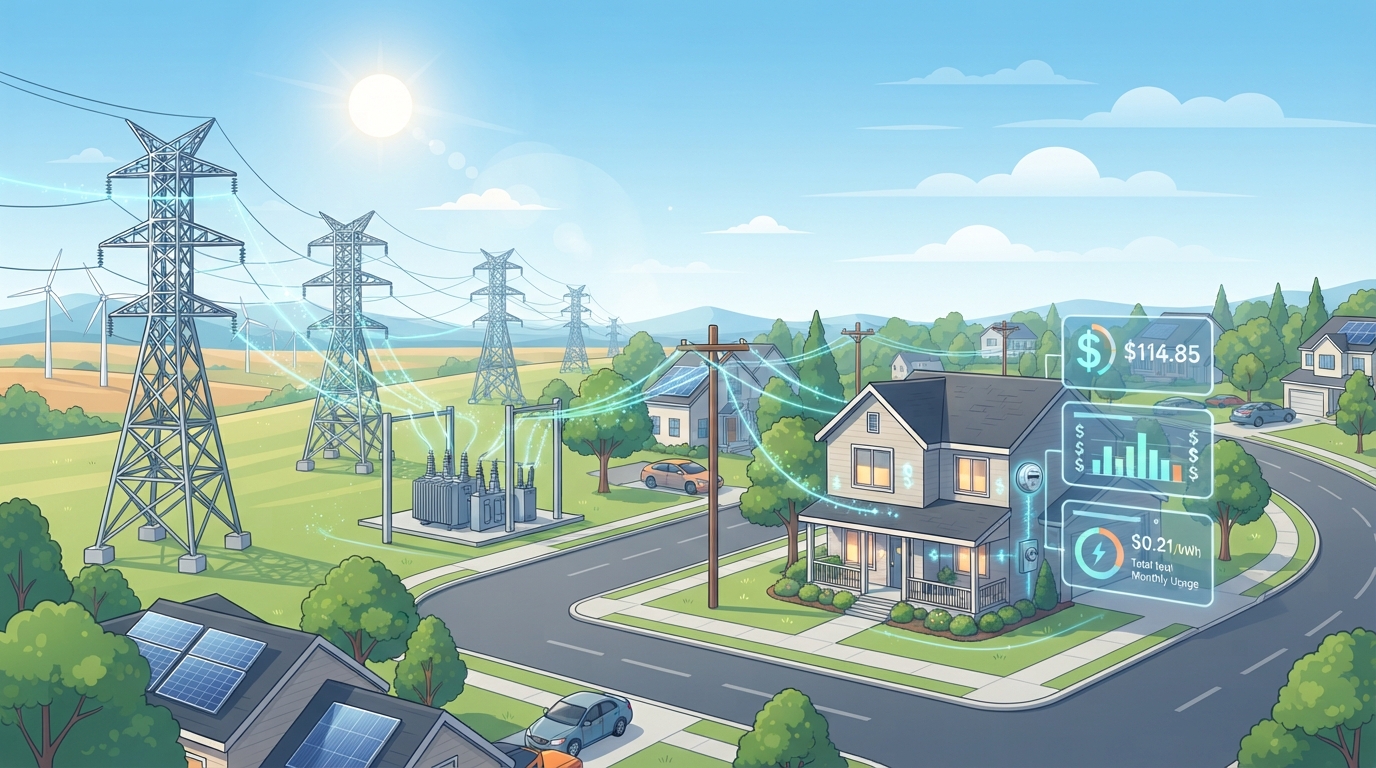
In the deregulated Texas market, there is a fundamental difference between the company that generates or sells you your power and the company that actually delivers it over the physical poles and wires. Your Retail Electric Provider (REP) is the company you chose to buy your electricity from—whether you were comparing options for electricity Houston, looking into electricity dallas, or securing business electricity plans for a commercial venture. However, in the vast western half of the state, the physical infrastructure is managed by a single Transmission and Distribution Utility (TDU).
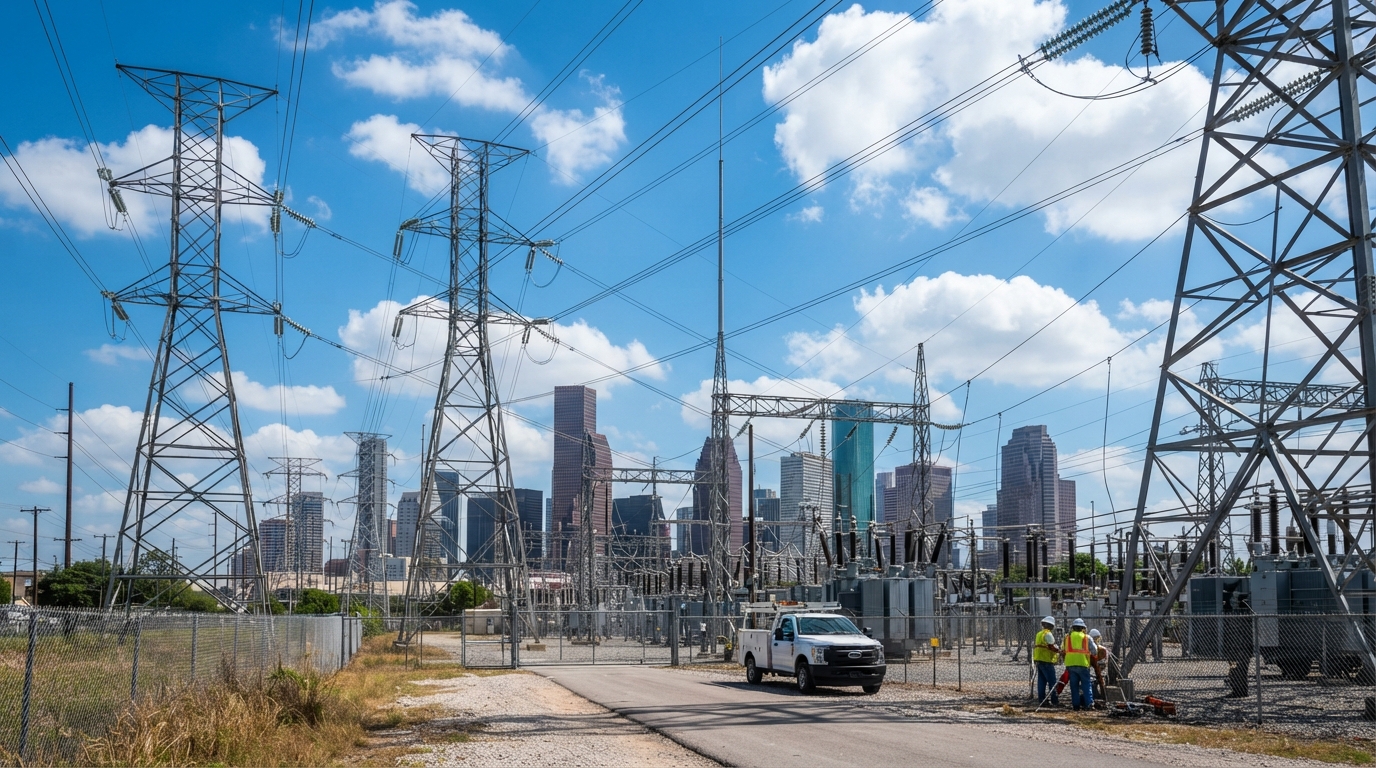
This utility is responsible for maintaining the power lines, reading the meters, and restoring service after a storm. Because they hold a regulated monopoly over the local poles and wires, their delivery fees are approved by the Public Utility Commission of Texas (PUCT), ensuring that everyone pays a fair share for infrastructure upkeep regardless of which REP they choose.
What Are aep texas north delivery charges?
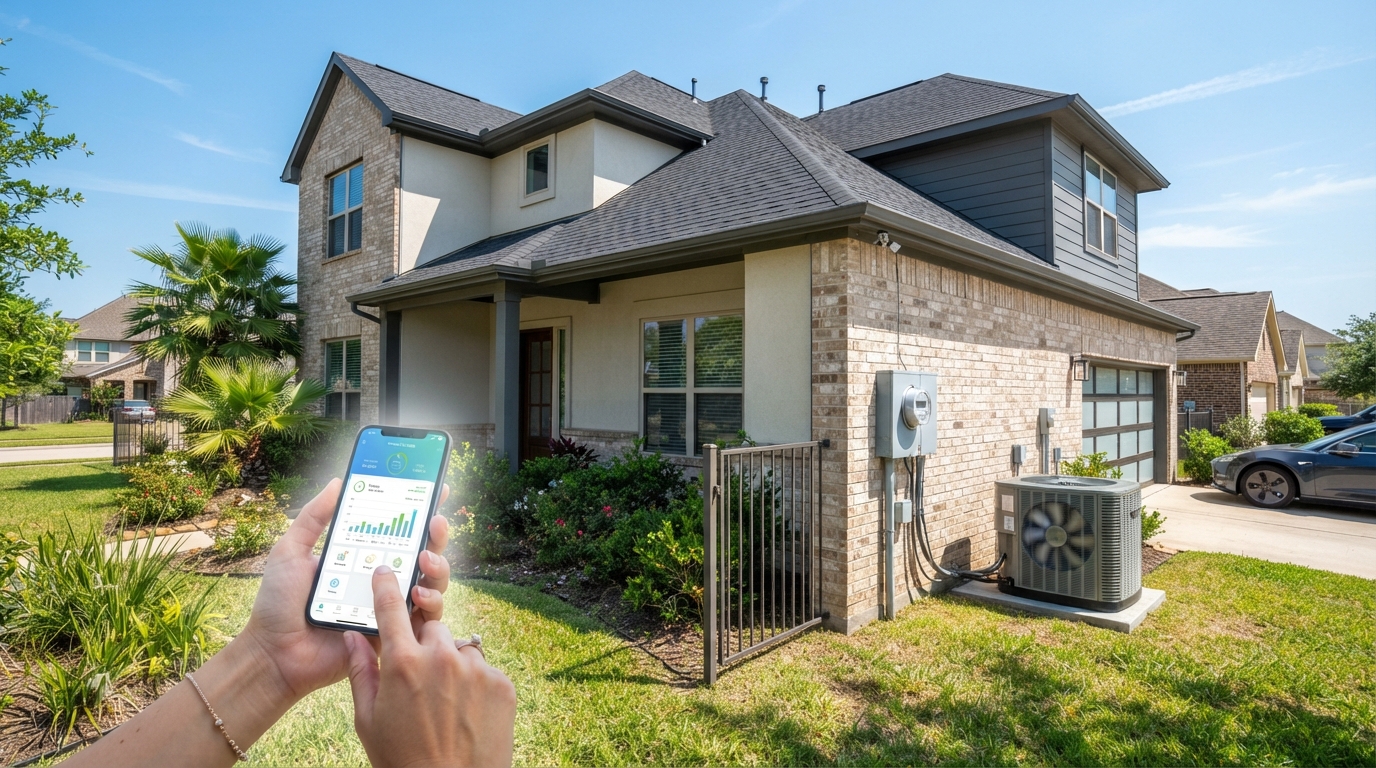
When you review aep texas north delivery charges on your monthly statement, you are looking at the pass-through costs billed by the utility for transporting electricity from power plants to your home or business. These fees are divided into two primary components:
- Fixed Monthly Charge: A standard, flat fee charged by the utility to cover the basic costs of metering, billing, and maintaining connection infrastructure to your property.
- Per-Kilowatt-Hour (kWh) Charge: A variable fee tied directly to how much electricity you consume during the billing cycle, reflecting the wear and tear on transmission lines.
Your REP simply collects these fees on behalf of the utility and passes them through to your bill without adding a markup. Whether you manage standard residential usage or utilize prepaid electric service, these utility fees apply uniformly across the service territory.
Simplifying Your Energy Shopping Experience
Navigating the deregulated market and making sense of utility delivery fees can feel overwhelming. Fortunately, you don’t have to do it alone. With over 20 years of experience providing reliable, quick, and courteous electric service for Texas homes and businesses, ElectricityOne is here to help. Here is how we simplify the process:
- We connect West and Central Texas residents with the finest Retail Electric Providers operating within the local utility zone.
- Our meticulous provider selection process ensures partnerships only with REPs that offer substantial cost savings.
- We provide transparent disclosure of all costs and fees, including utility pass-through charges, so there are never any surprises on your bill.
- We empower consumers by translating complex market data, much like using the state’s official power to choose resources, into clear and actionable choices.
Ready to find the best energy plan for your delivery area? Call 1.844.567.2863 today to speak with our Texas energy experts.
Frequently Asked Questions
Can I choose which utility delivers my electricity?
No. Utility territories in Texas are geographically assigned. If you live within the service area, the local TDU is your exclusive provider for poles, wires, and emergency line maintenance.
Do delivery charges change depending on my Retail Electric Provider?
No. The utility’s delivery and transmission fees are regulated by the state and remain exactly the same regardless of which retail energy provider you select for your supply.
Who should I call if my power goes out?
If you experience a downed power line or a local blackout, you should contact the utility’s emergency dispatch line directly rather than calling your retail electric provider, as the utility manages the physical repair crews.