When opening your monthly power bill in Southeast Texas, you might notice two distinct cost categories: one for the electricity you consumed and another for utility distribution services. If you live in Greater Houston, Galveston, Katy, or Sugar Land, understanding centerpoint energy delivery charges is key to accurately evaluating your overall energy costs and choosing the right plan for your household.
What Are Utility Delivery Charges in Deregulated Texas?
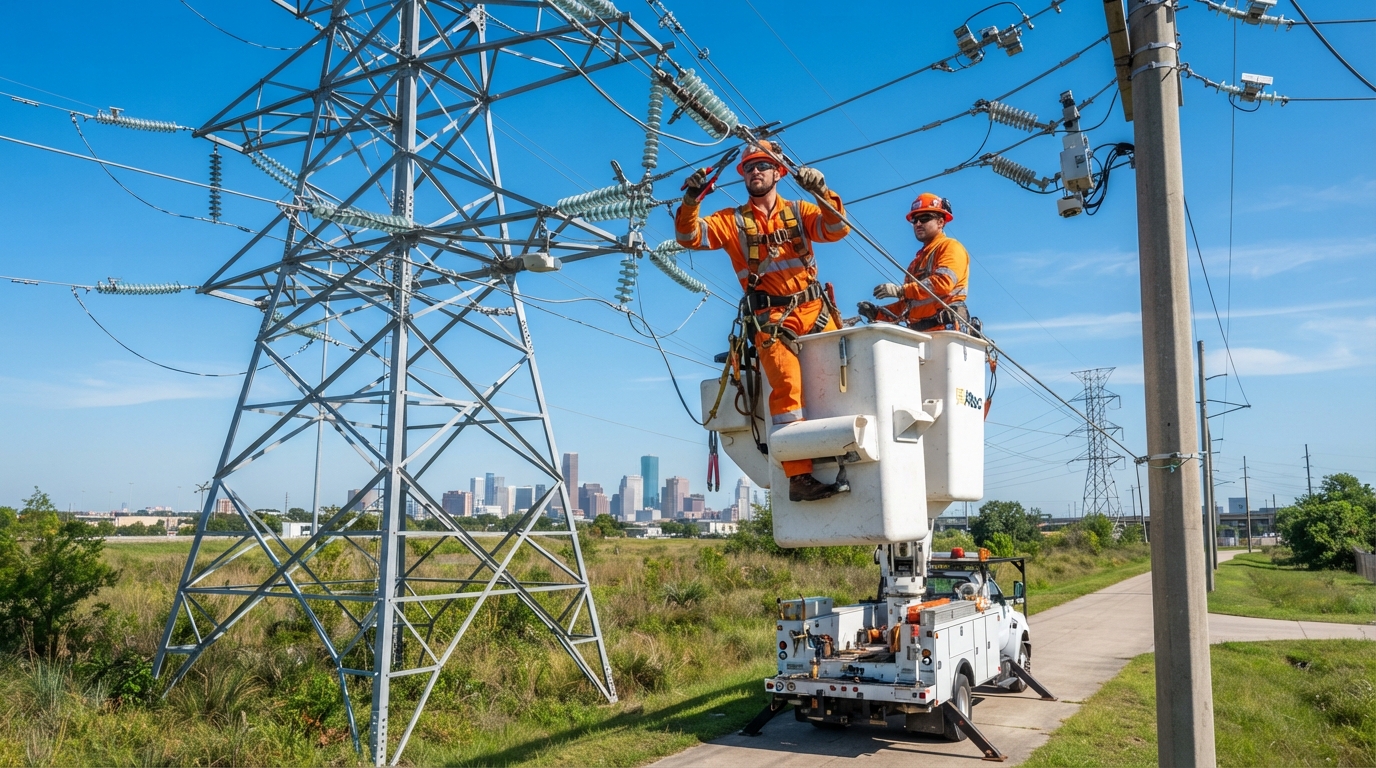
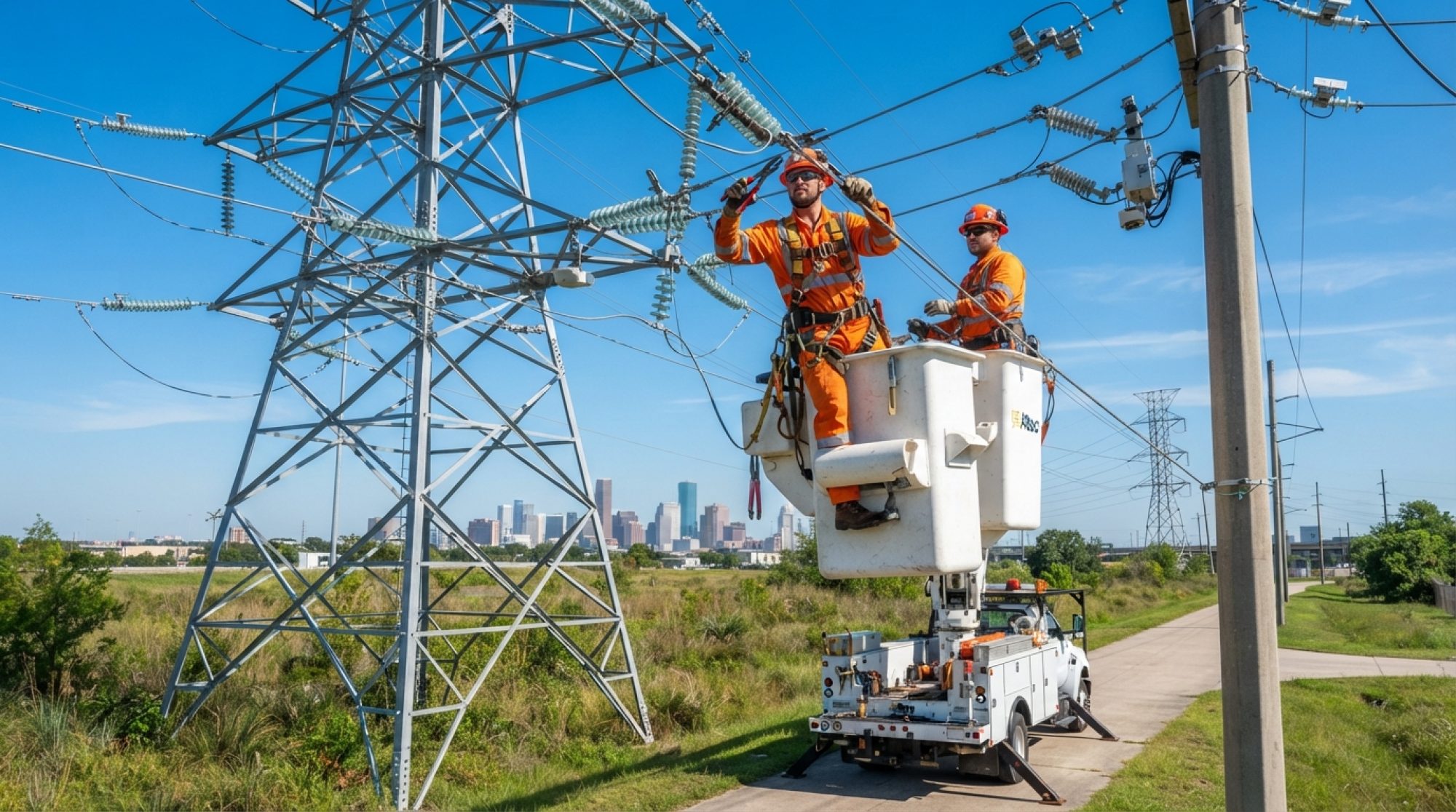
In the deregulated energy framework across Texas, electric service is split into two distinct entities: Retail Electric Providers (REPs) and Transmission and Distribution Utilities (TDSPs/TDUs). CenterPoint Energy serves as the utility company for nearly 2.8 million metered customers across Greater Houston and the Texas Gulf Coast. While you have the power to select your retail provider, CenterPoint remains responsible for maintaining the physical power grid, managing electrical meters, and ensuring system resilience through intense summer heatwaves and severe coastal hurricane seasons.
Because CenterPoint owns and maintains the physical infrastructure—including utility poles, lines, and transformers—the Public Utility Commission of Texas (PUCT) allows them to assess regulated fees for these services. These costs are billed to your retail provider, who then passes them directly through to your monthly billing statement without markup.
Breaking Down the Components of CenterPoint Delivery Fees
While delivery fees appear as a bundled line item or itemized surcharge on your bill, they consist of several distinct, PUCT-regulated components designed to cover specific operational and grid maintenance expenses:
1. Customer Upkeep Charge
This is a fixed monthly fee charged per meter. It covers administrative costs, customer service infrastructure, and billing maintenance required to keep your account connected to the regional grid, regardless of how much power you consume during the billing cycle.
2. Metering and Distribution Fee
This component is a volumetric charge calculated on a per-kilowatt-hour basis. It funds the continuous upkeep, repair, and modernization of neighborhood power lines, substation equipment, and advanced smart meters throughout the Houston metropolitan area.
3. High-Voltage Transmission Line Surcharge
Transmission fees cover the cost of transporting bulk electricity from generation facilities across Texas to CenterPoint’s local distribution networks. Like distribution fees, this charge scales based on your total monthly electricity consumption.
4. System Restoration Tariffs
Following catastrophic weather events such as major tropical storms or winter freezes, regulatory bodies may authorize temporary tariffs. These allow the utility to recover extraordinary capital expenses required to rebuild damaged infrastructure and restore regional grid stability.
Comparing Plans Across Texas Markets
When shopping for residential energy or comparing electricity Houston consumers must remember that utility delivery charges apply universally across the entire CenterPoint service footprint. Just as shoppers evaluating electricity dallas options must account for Oncor’s delivery structure, Houston residents face identical CenterPoint pass-through fees regardless of their chosen retail electricity plan.
Whether you are securing residential service, managing commercial facilities with business electricity plans, or looking for flexible options like prepaid electric service, delivery fees remain standardized based on your meter type and monthly usage.
Navigating Electric Choice with ElectricityOne
Sorting through retail energy rates and utility pass-through fees can feel confusing when browsing public shopping tools like the state power to choose site. ElectricityOne simplifies this process by helping Houstonians easily navigate retail options while accounting for all utility fees.
- 20+ Years of Industry Experience: Over two decades of expertise helping Texas homeowners and commercial customers navigate deregulated power markets with confidence.
- Complete Cost Transparency: Detailed breakdowns that show how retail supplier rates integrate with utility delivery charges to prevent billing surprises.
- Rigorous Provider Selection: Meticulous vetting standards that partner only with reputable, financially stable REPs offering competitive value and reliable service.
- Tailored Shopping Solutions: Dedicated assistance to match your specific home size, usage profile, and budget requirements within the CenterPoint footprint.
Reading Your Bill and Knowing Who to Call
Understanding the distinction between your utility and your provider clarifies how your bill is constructed and ensures you reach the correct team during an emergency. Your Retail Electric Provider handles account setup, monthly billing, and rate terms. CenterPoint Energy manages physical line restoration, smart meter health, and emergency storm response.
If you experience a blackout, severe storm damage, or see a downed power line in your neighborhood, always report the issue directly to CenterPoint Energy’s emergency line rather than calling your retail provider.
Ready to find the best energy plan for your CenterPoint delivery area? Call 1.844.567.2863 today to speak with our Texas energy experts.
Are CenterPoint Energy delivery charges the same across all retail providers in Houston?
Yes. Delivery charges are strictly regulated by the Public Utility Commission of Texas (PUCT) and apply uniformly to all residential customers within CenterPoint’s service territory, regardless of which retail provider supplies the electricity.
Why do delivery charges vary on my monthly electricity bill?
Delivery charges include both a fixed monthly account charge and a variable per-kilowatt-hour charge. As your monthly electricity usage increases or decreases, the variable portion of the delivery fee adjusts accordingly.
Who should I call if I experience a power outage in the CenterPoint service territory?
You should contact CenterPoint Energy directly to report power outages or electrical hazards. Retail Electric Providers manage billing and contracts but do not maintain the physical grid or dispatch line repair crews.