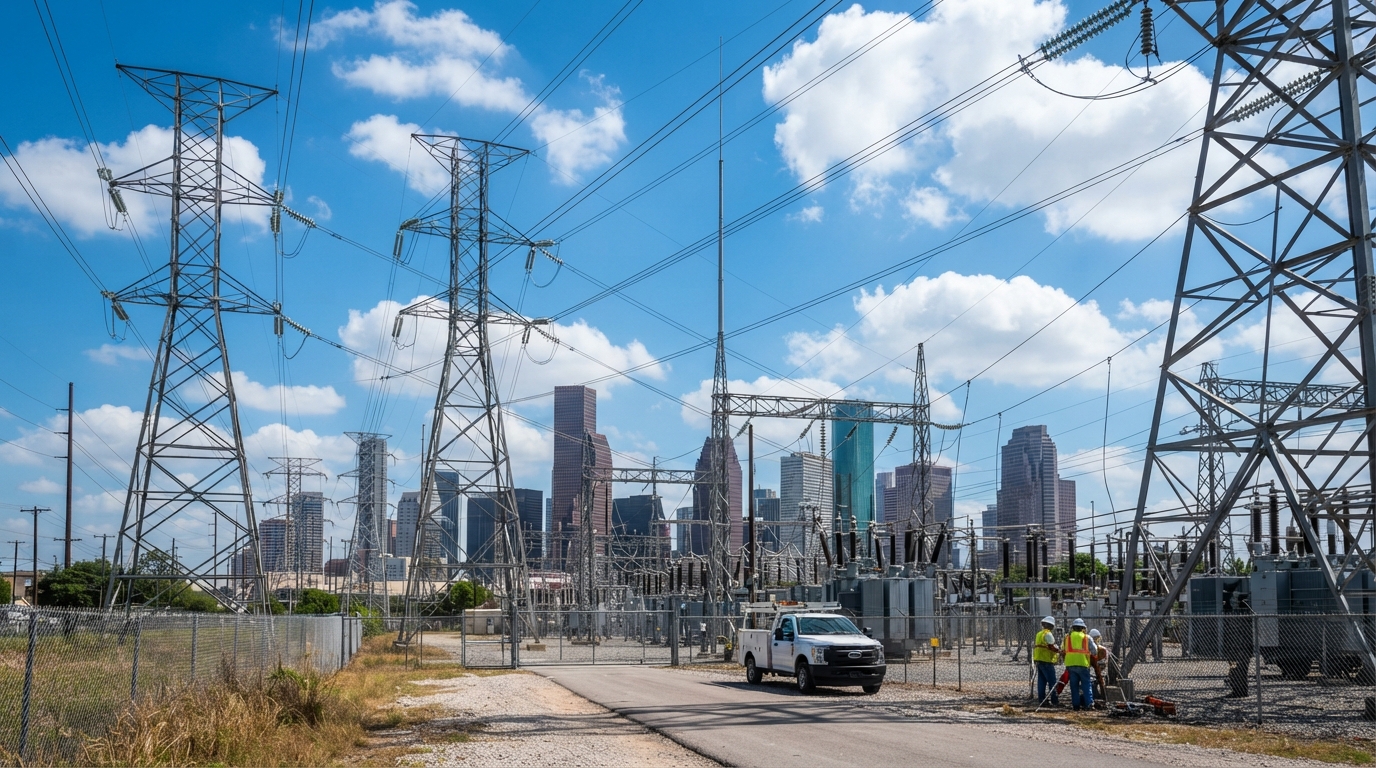

If you have ever looked closely at your monthly electric bill in the Lone Star State, you might have felt a bit confused. You log online, lock in a dependable rate, and then notice that your bill features two distinct entities: the company that generates your power and the company that maintains the physical lines outside your window. For Texans shopping for electricity Houston or electricity dallas, understanding how these components work together is essential for mastering your home energy budget.
At texas tdsp delivery charges explained, our mission is to cut through the confusion. With over 20 years of experience providing reliable, quick, and courteous electric service for Texas homes and businesses, ElectricityOne connects residents and businesses with the finest Retail Electric Providers in the state. We ensure that our customers understand every line item on their bills, from competitive supply charges to mandated local infrastructure costs.
Provider vs. Utility: Who Does What on the ERCOT Grid?
To truly grasp your monthly statement, you must first understand the fundamental split in the deregulated Texas market:
- Retail Electric Providers (REPs): These are the competitive companies that you choose to buy your power from. They manage your billing, customer service, and market plans. A premier example of a trusted REP is Frontier Utilities, known for providing stable, long-term rate security.
- Transmission and Distribution Service Providers (TDSPs / TDUs): These are the regulated utility companies that own and maintain the physical poles, wires, transformers, and smart meters. They do not sell electricity; rather, they safely deliver the electricity supplied by your REP to your home or business.
Whether you are looking into business electricity plans or residential options, your energy supply rate and your delivery fees work hand in hand. Texans looking for alternative payment structures can also explore prepaid electric service, while savvy consumers often use tools inspired by the state’s official power to choose platform to evaluate their choices.
Demystifying Regulated Pass-Through Fees
Many consumers wonder why a utility fee appears on their statement even when they have locked in a fixed supply rate. TDSP delivery charges are regulated by the Public Utility Commission of Texas (PUCT). These charges cover the cost of maintaining the local grid, reading meters, and restoring power after severe weather events.
These pass-through fees are billed to you by your Retail Electric Provider, but 100% of those funds go directly to your local TDSP—such as Oncor, CenterPoint, AEP Texas, or TNMP—without any markup from your provider. They appear on your monthly statement regardless of whether you choose a short-term variable plan or a stable, long-term option.
Securing Stability with Long-Term Plans
Because delivery fees apply across the board, locking down your energy supply rate is the best way to protect your household budget from wholesale market volatility. For example, customers frequently choose the Frontier Saver Premier 24 plan through Frontier Utilities. This type of solution secures your energy supply rate for a full 24 months, giving you peace of mind while your local TDSP continues to safely deliver that power across the local lines.
Why Choose ElectricityOne?
- Over 20 years of dedicated experience serving Texas communities.
- A meticulous provider selection process partnering only with top-tier REPs like Frontier Utilities.
- Transparent disclosure of all costs and fees, including mandatory TDU pass-through charges.
- Unmatched dedication to long-term customer satisfaction and energy literacy.
Navigating the Six Major Texas Utility Territories
Depending on your physical address, your home falls into one of the six major utility delivery areas in ERCOT:
- Oncor Electric Delivery: Serving North and West Texas, including Dallas-Fort Worth.
- CenterPoint Energy: Primarily serving the greater Houston metropolitan area.
- AEP Texas (Central and North): Spanning vast portions of West, South, and Central Texas.
- Texas-New Mexico Power (TNMP): Operating in various non-contiguous pockets across the state.
- Lubbock Power & Light (LP&L): Recently transitioned into the competitive ERCOT market, bringing consumer choice to the Hub City.
Knowing your specific utility zone helps you understand your baseline delivery charges and tells you exactly who to contact if your power goes out due to a downed line or storm.
Conclusion
Mastering the structure of your Texas energy bill gives you ultimate control over your monthly expenses. By separating the competitive supply rate secured by trusted providers like Frontier Utilities from the regulated delivery fees managed by your local TDSP, you can shop smarter and manage your home power efficiently. Ready to find the best energy plan for your specific utility delivery area? Call 1.844.567.2863 today to speak with our Texas energy experts.
Frequently Asked Questions
Can I choose which TDSP delivers my electricity?
No. TDSP service areas are geographically assigned based on your physical location. While you can freely choose and switch your Retail Electric Provider, your local utility company remains fixed based on where your home or business is built.
Do TDSP delivery charges change when I switch my energy plan?
No. TDSP delivery charges and pass-through fees are regulated by the PUCT and remain exactly the same for your specific address regardless of which Retail Electric Provider or electricity plan you select.
What should I do if my power goes out?
If you experience a power outage or see a downed power line, you should contact your local TDSP emergency line immediately rather than your Retail Electric Provider, as the utility company dispatches the crews to fix physical infrastructure issues.