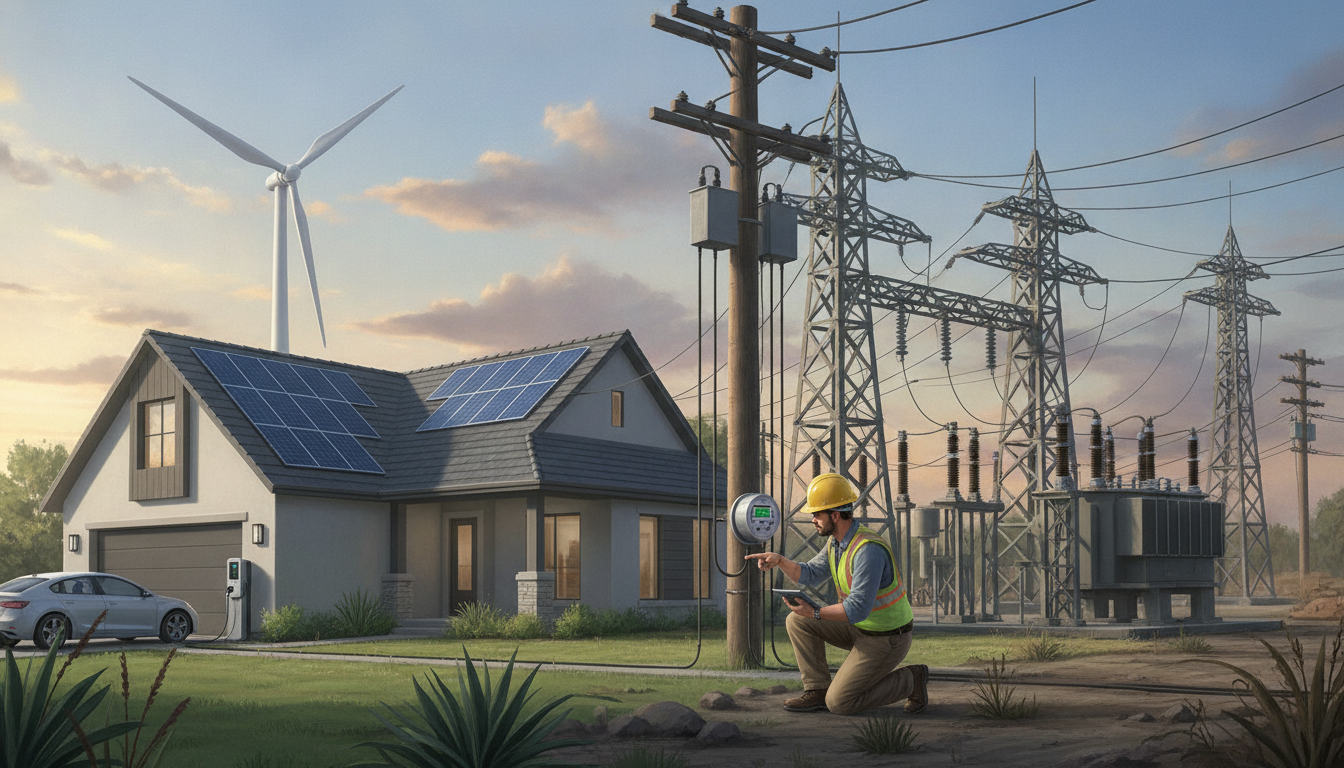
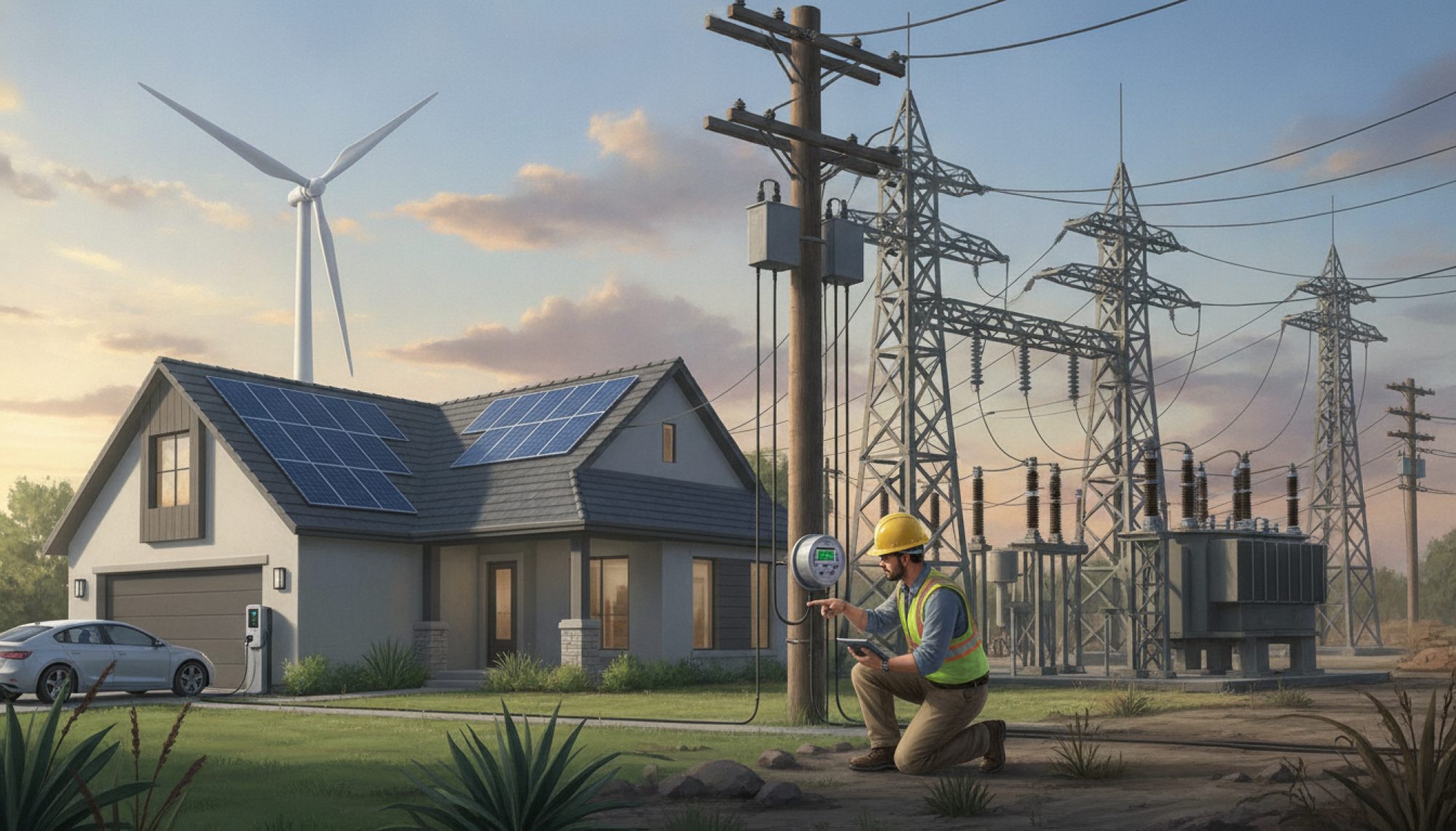
If you have ever looked closely at your Texas electricity bill, you might have wondered why you buy your power from a company like Gexa Energy, but see utility trucks from Oncor, CenterPoint, or another local company servicing the physical power lines in your neighborhood. This division of labor is the cornerstone of the deregulated Texas energy market. Understanding how these entities interact is key to making informed decisions about your home electricity plan and knowing exactly who to contact when you need assistance.
When shopping for electricity through a trusted platform like ElectricityOne, you are selecting a Retail Electric Provider (REP). However, the physical infrastructure that actually delivers that electricity to your home is managed by a utility. To understand how your power is delivered and billed, it is essential to ask: what is a transmission and distribution service provider (TDSP)? Let us break down the distinct roles of these entities and how they keep the lights on across the Lone Star State.
The Clear Distinction: Retail Electric Provider vs. TDSP
In the deregulated areas of Texas, the energy market is split into two primary players: the company that sells you electricity and the company that physically delivers it.
Your Retail Electric Provider (REP)
A Retail Electric Provider, such as Gexa Energy, is the company you choose to buy your electricity from. REPs purchase electricity from wholesale generators, design various energy plans, handle your billing, and provide customer service. When you shop for an electricity plan on ElectricityOne, you are comparing different REPs to find a pricing structure and term length that fits your budget.
Your Transmission and Distribution Service Provider (TDSP)
Your TDSP (often referred to as a TDU or utility) is determined strictly by your physical geography. You cannot choose your TDSP. This company owns and maintains the physical infrastructure—the poles, wires, transformers, and smart meters—that carry electricity from the power grid to your home. They are also responsible for restoring power during outages and reading your electricity meter.
The Six Major Texas Utility Companies
The Electric Reliability Council of Texas (ERCOT) grid relies on six major utility companies to maintain the physical infrastructure across different regions of the state:
- Oncor: The largest TDSP in Texas, serving Dallas-Fort Worth, Waco, Wichita Falls, and parts of West Texas.
- CenterPoint: Serves the greater Houston metropolitan area and surrounding communities.
- AEP Texas Central: Covers southern Texas, including Corpus Christi, McAllen, Laredo, and Victoria.
- AEP Texas North: Services northern and western areas of the state, including Abilene and San Angelo.
- Texas New-Mexico Power (TNMP): Manages diverse pockets of the state, including areas southeast of Houston, northeast of Dallas, and portions of West Texas.
- Lubbock Power & Light (LP&L): The newest addition to the competitive ERCOT market, having transitioned Lubbock residents into the deregulated landscape.
How Green Energy Plans Travel Through the Physical Grid
Many Texas residents want to reduce their carbon footprint by choosing an eco-friendly energy plan. Gexa Energy is a premier example of a provider offering sustainable options, such as the Gexa Eco Saver Plus 12 Plan. When you enroll in this plan, Gexa offsets your home’s usage by purchasing and retiring 100% renewable energy credits (RECs) for a full year.
However, it is important to understand how this works on a physical level. The actual electricity flowing into your home is a mix of whatever power is currently on the ERCOT grid. Your local TDSP remains the physical entity moving those electrons over the physical wire grid to your home. By choosing a green plan, you are ensuring that renewable energy is generated and added to the Texas grid on your behalf, while your utility ensures those electrons safely reach your appliances.
Why ElectricityOne is Your Trusted Texas Energy Partner
Navigating the relationship between REPs and TDSPs can seem complex, but ElectricityOne makes shopping for electricity straightforward and transparent.
- Over 20 Years of Experience: Providing reliable, quick, and courteous electric service to Texas homes and businesses.
- Meticulous Provider Selection: Partnering only with top-tier REPs like Gexa Energy to ensure long-term customer satisfaction and competitive pricing.
- Total Cost Transparency: Clearly displaying all costs, including regulated TDSP delivery charges, so you never face unexpected surprises on your monthly statement.
- Grid-Wide Coverage: Helping customers find the perfect plan regardless of which of the six major TDSP zones their home is located in.
Understanding Your Bill and Who to Call in an Emergency
Because your REP and TDSP work together, your monthly electric bill will contain charges from both. Your REP will charge you for the electricity supply (the cost per kilowatt-hour of energy you consumed), and they will also pass through the regulated TDSP delivery charges. These delivery fees are set by the Public Utility Commission of Texas (PUCT) and go directly to your utility to pay for grid maintenance.
If you have questions about your rate, your contract, or your bill payments, you should contact your REP. However, if your lights go out, if you see a downed power line, or if there is a physical emergency with your meter, you must contact your local TDSP directly, as they are the only ones authorized to service the physical equipment.
Ready to find the best energy plan for your specific utility delivery area? Call 1.844.567.2863 today to speak with our Texas energy experts.
Frequently Asked Questions
Can I choose my own Transmission and Distribution Service Provider (TDSP) in Texas?
No. While you can choose your Retail Electric Provider (REP) to manage your electricity plan and billing, your TDSP is determined solely by your physical address and geographic location. You cannot change your utility company.
How do TDSP delivery charges affect my monthly Gexa Energy bill?
TDSP delivery charges are regulated pass-through fees approved by the Public Utility Commission of Texas. They cover the cost of maintaining the poles, wires, and meters. These fees are passed through to your monthly bill by Gexa Energy, regardless of whether you choose a standard plan or an eco-friendly green energy plan.
Who should I call if my power goes out or a power line is down?
In the event of a power outage or physical emergency, you should contact your local TDSP (such as Oncor, CenterPoint, or TNMP) rather than your retail provider. Your TDSP owns and maintains the physical grid infrastructure and is responsible for dispatching crews to restore power.