
Ever looked at your Texas electricity bill and wondered why there are two different company names involved in powering your home? You’re not alone. In the deregulated Texas energy market, understanding the distinct roles of the companies that sell you electricity and those that deliver it is key to navigating your service and understanding your charges. Let’s unravel the mystery of the two essential players: your Retail Electric Provider (REP) and your Transmission and Distribution Service Provider (TDSP), often called a TDU.
Understanding Texas’ Two-Party Energy System
Texas operates on a unique deregulated energy model, designed to foster competition among providers. This system essentially separates the sale of electricity from its physical delivery. On one side, you have companies competing to offer you the best rates and plans. On the other, you have the infrastructure backbone, responsible for maintaining the physical grid. To truly grasp the dynamics of the deregulated Texas energy market, it’s essential to understand what is a transmission and distribution service provider and how they differ from your chosen retail provider.
The Role of Your Retail Electric Provider (REP)
Your Retail Electric Provider (REP) is the company you choose to buy your electricity from. They are your primary point of contact for billing, customer service related to your plan, and any questions about your energy usage rates. REPs compete fiercely for your business, offering a wide array of plans, rates, and incentives. When you switch electricity providers in Texas, you are choosing a new REP.
The Indispensable Transmission and Distribution Service Provider (TDSP/TDU)
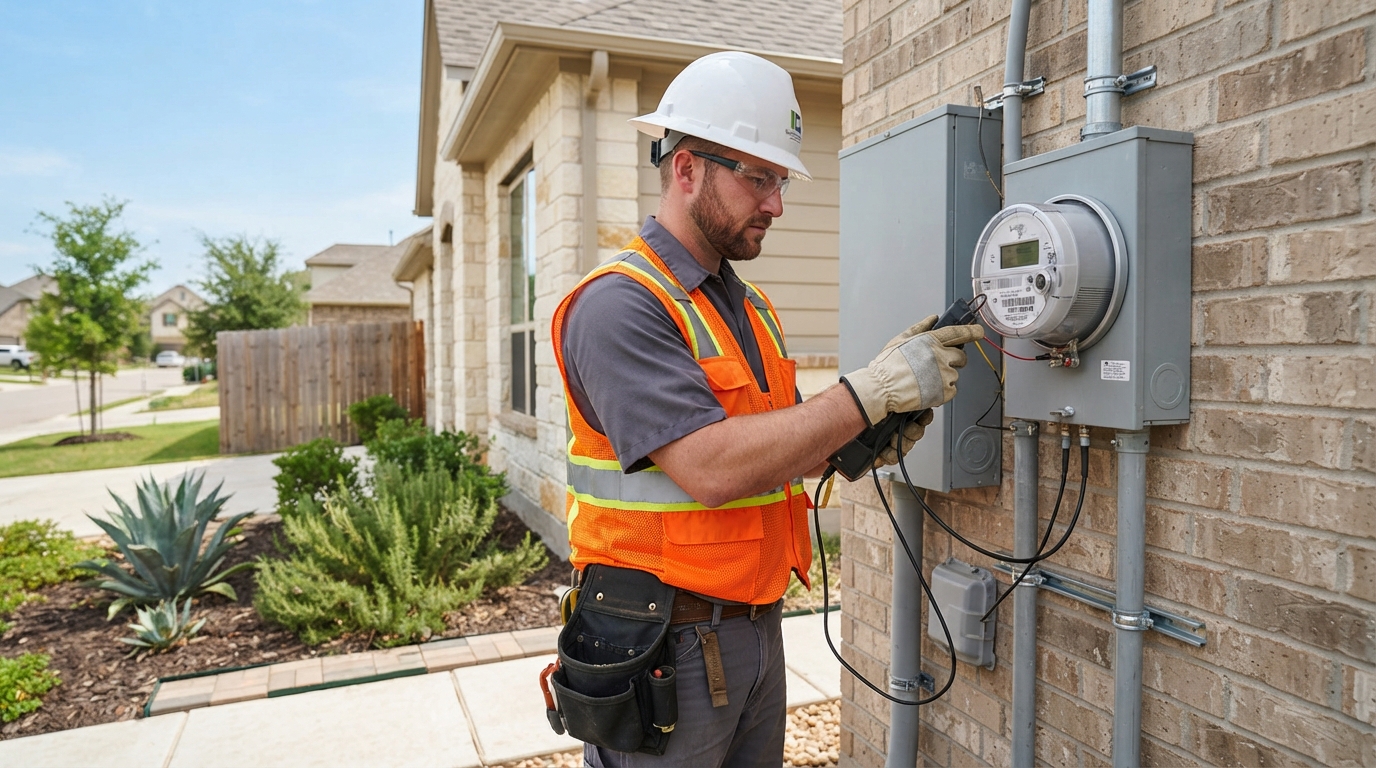
A Transmission and Distribution Service Provider (TDSP), also known as a TDU (Transmission and Distribution Utility), is the company that owns and maintains the physical infrastructure that delivers electricity to your home or business. This includes the poles, wires, substations, and smart meters. Unlike REPs, you cannot choose your TDSP; it’s determined by your geographic location. They are responsible for:
- Delivering electricity from the generation source to your meter.
- Maintaining the reliability of the power grid.
- Responding to power outages and downed power lines.
- Reading your meter and providing usage data to your REP.
These essential services are regulated by the Public Utility Commission of Texas (PUCT) to ensure fair practices and reliable service. The six major TDSPs serving the deregulated areas of Texas are:
- Oncor Electric Delivery: Serving much of North and Central Texas, including Dallas and Fort Worth.
- CenterPoint Energy: Primarily serving the Houston metropolitan area and surrounding regions.
- AEP Texas North: Covering parts of North Texas, including Abilene and San Angelo.
- AEP Texas Central: Serving South Texas, including Corpus Christi and Victoria.
- Texas New-Mexico Power (TNMP): Operating in various smaller, distinct service areas across the state.
- Lubbock Power & Light (LP&L): The newest entrant into the competitive market, transitioning its customers into deregulation.
Navigating Your Energy Bill: REP vs. TDSP Charges
On your monthly electricity bill, you’ll see charges from both your REP and your TDSP. Your REP’s charges typically reflect the cost of the electricity you’ve consumed (measured in kilowatt-hours) based on your chosen plan. The TDSP charges, however, are for the delivery of that electricity and the maintenance of the infrastructure. These regulated delivery charges, which often include a fixed monthly utility fee and a charge per kilowatt-hour, are passed through to you by your REP. They appear on your bill regardless of which Retail Electric Provider you choose, as they cover the non-negotiable costs of maintaining the grid in your area.
ElectricityOne: Your Trusted Guide in Texas Energy
Understanding the intricacies of the Texas energy market, especially the distinction between your REP and TDSP, can feel overwhelming. That’s where ElectricityOne steps in. With over 20 years of experience, ElectricityOne has been a beacon for Texans seeking reliable, quick, and courteous electric service for their homes and businesses. As a prominent platform, we connect residents and businesses with the finest Retail Electric Providers (REPs) in the state, while also educating them on the vital role of their local utility.
- 20+ Years of Expertise: Deep understanding of the Texas energy market.
- Simplified Shopping: Easily compare and choose REPs across all six major TDSP zones.
- Transparent Partnerships: We only work with REPs committed to clear pricing and customer satisfaction.
Conclusion
Knowing the difference between your REP and your TDSP empowers you as a Texas energy consumer. It clarifies who to call for billing questions (your REP) versus who to contact during a power outage or downed line emergency (your TDSP). By understanding these distinct roles, you can better interpret your electricity bill and make informed decisions about your energy future.
Ready to find the best energy plan for your specific utility delivery area? Call 1.844.567.2863 today to speak with our Texas energy experts.
Frequently Asked Questions About TDSPs
Q: Can I choose my Transmission and Distribution Service Provider?
A: No, you cannot choose your TDSP. Your TDSP is determined by your geographic location and is the entity responsible for the physical delivery of electricity to your home or business.
Q: Why do TDSP charges appear on my bill if I choose my Retail Electric Provider?
A: TDSP charges are regulated fees for the maintenance and operation of the electrical grid infrastructure. Your Retail Electric Provider passes these charges through to you on your bill because they are a mandatory cost for delivering power to your service address, regardless of who sells you the electricity.
Q: Who do I call if my power goes out?
A: In the event of a power outage or a downed power line, you should always contact your Transmission and Distribution Service Provider (TDSP), not your Retail Electric Provider. Your TDSP is responsible for maintaining the physical lines and restoring service.