
Many Texas residents shopping for a new electricity plan experience a moment of confusion. You sign up for a dependable contract with a top-rated Retail Electric Provider (REP) like APG&E, but when a storm rolls through, you see trucks labeled Oncor or CenterPoint Energy working on the power lines. Why are there two different companies involved in keeping your lights on? To understand how your power is delivered and billed, it is essential to ask: what is a transmission and distribution service provider?
Understanding the Texas Power Duo: REPs vs. TDSPs
In the deregulated Texas energy market, your service is split into two distinct roles: the company that sells you the electricity and the company that physically delivers it. Your Retail Electric Provider (REP)—such as APG&E—is the customer-facing business. They manage your billing, set your energy supply rates, and offer structured plans like the SimpleSaver 12.
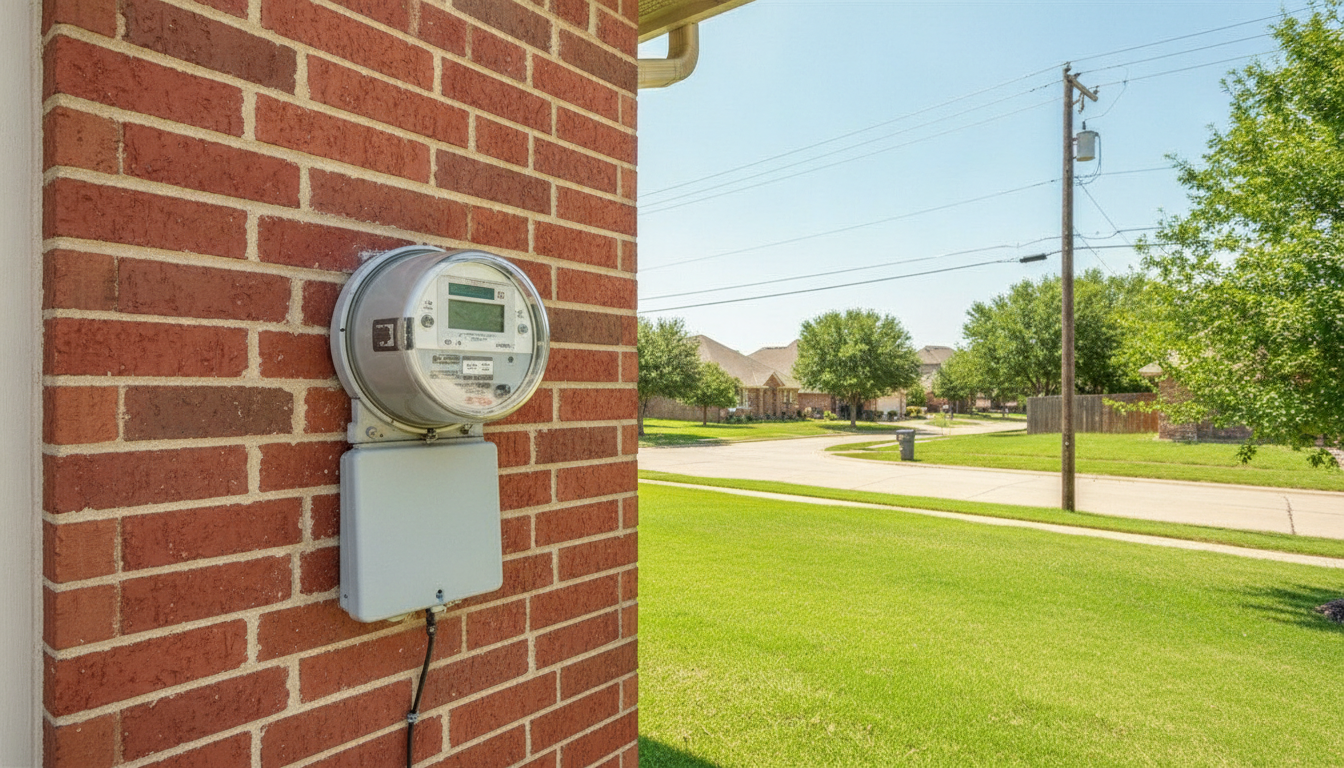
Conversely, the Transmission and Distribution Service Provider (TDSP)—often called the TDU or utility—is the entity that owns and maintains the physical poles, wires, transformers, and smart meters. No matter which REP you choose to buy your power from, your local TDSP remains the same based on your physical location. They are responsible for routing that electricity safely to your home, reading your meter, and fixing downed lines during an outage.
The Geography of the Grid: The Six Major Texas Utility Territories
Texas is divided into distinct utility service territories. While you can choose your REP, you cannot choose your TDSP. Here is a breakdown of the six major utility companies operating within the ERCOT grid and how they map across the Lone Star State:
Oncor Electric Delivery
As the largest TDSP in Texas, Oncor services millions of consumers. Their vast territory spans across North Texas (including Dallas-Fort Worth), West Texas, and parts of Central Texas. If you live in these areas, Oncor maintains your local infrastructure.
CenterPoint Energy
CenterPoint Energy covers the Houston metropolitan area and surrounding Gulf Coast communities. They manage the complex grid infrastructure required to power one of the most populous and industrially active regions in the country.
AEP Texas Central & AEP Texas North
American Electric Power (AEP) is split into two distinct divisions in Texas. AEP Texas Central covers Southern Texas, including cities like Corpus Christi, McAllen, and Laredo. AEP Texas North services the northern panhandle and western regions, including Abilene and San Angelo.
Texas-New Mexico Power (TNMP)
TNMP services a collection of diverse, non-contiguous areas across Texas, including communities northeast of Houston, portions of North Texas, and areas out west near Pecos.
Lubbock Power & Light (LP&L)
The newest entrant into the deregulated Texas marketplace is Lubbock Power & Light. Having fully transitioned its customers into the competitive ERCOT grid, LP&L now serves as the local TDSP for the Lubbock area, allowing West Texas residents to choose competitive plans from REPs like APG&E for the first time.
How APG&E and ElectricityOne Simplify Your Energy Choice
Navigating these different territories can feel overwhelming, but that is where ElectricityOne steps in. With over two decades of experience helping Texans find the right plans, we act as your trusted guide to the deregulated market.
- 20+ Years of Texas Expertise: We have spent over two decades helping Texas households and businesses secure reliable energy contracts.
- Meticulous Provider Vetting: We partner only with top-tier REPs like APG&E that offer transparent pricing and long-term customer satisfaction.
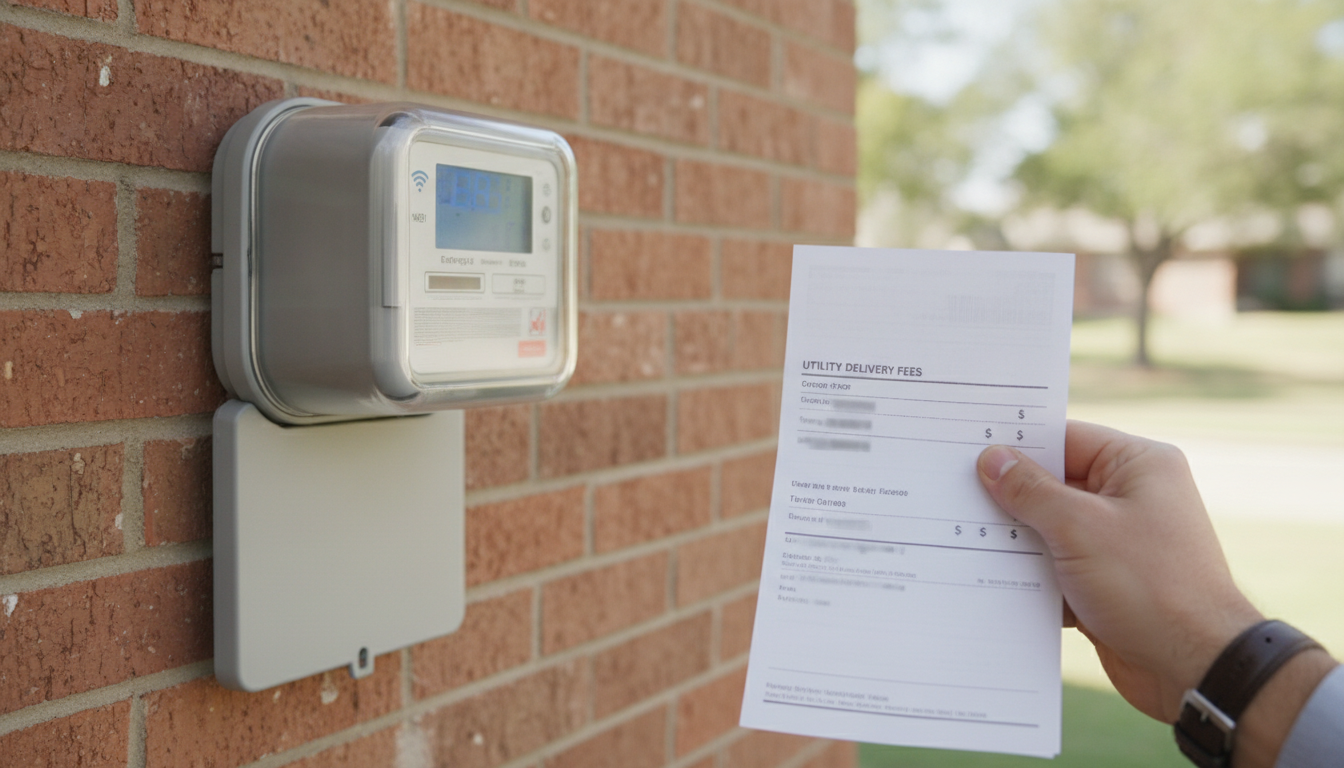
- Clarity on Pass-Through Fees: We help you understand how regulated TDU delivery charges impact your monthly statement, ensuring no hidden surprises.
- Tailored Regional Solutions: Whether you are in Oncor, CenterPoint, or the newly deregulated LP&L territory, we match you with plans optimized for your specific delivery zone.
For instance, if you are looking for price stability, APG&E’s SimpleSaver 12 plan is an excellent option. This plan establishes your fixed energy supply terms for a full 12 months, protecting you from seasonal market spikes. While APG&E handles your fixed supply contract, your local TDSP—whether it is Oncor, CenterPoint, or TNMP—will continue to handle the physical delivery and pass along their state-regulated delivery fees on your monthly bill.
Conclusion: Knowing Your Grid for Better Energy Management
Understanding the distinction between your REP and your TDSP is key to managing your home utility budget. It ensures you know exactly who to call when the lights go out (always your local TDSP for outages) and who to contact for billing questions (your REP, like APG&E). By leveraging the expertise of ElectricityOne, you can effortlessly compare plans tailored to your specific utility zone.
Ready to find the best energy plan for your specific utility delivery area? Call 1.844.567.2863 today to speak with our Texas energy experts.
Frequently Asked Questions
What is the difference between an REP and a TDSP?
A Retail Electric Provider (REP) sells you electricity plans, manages your billing, and handles customer service. A Transmission and Distribution Service Provider (TDSP) owns the physical grid infrastructure, delivers the electricity to your home, and repairs power lines during outages.
Can I choose my TDSP in Texas?
No. Your TDSP is determined strictly by your physical geographic location. While you can choose which REP supplies your energy, the physical delivery of that energy is always handled by the designated utility company for your area.
Are TDSP delivery charges the same on every electricity plan?
Yes, TDSP delivery charges are state-regulated fees approved by the Public Utility Commission of Texas (PUCT). These charges are pass-through fees, meaning they are the same for every resident within a specific utility territory, regardless of which REP or energy plan you choose.