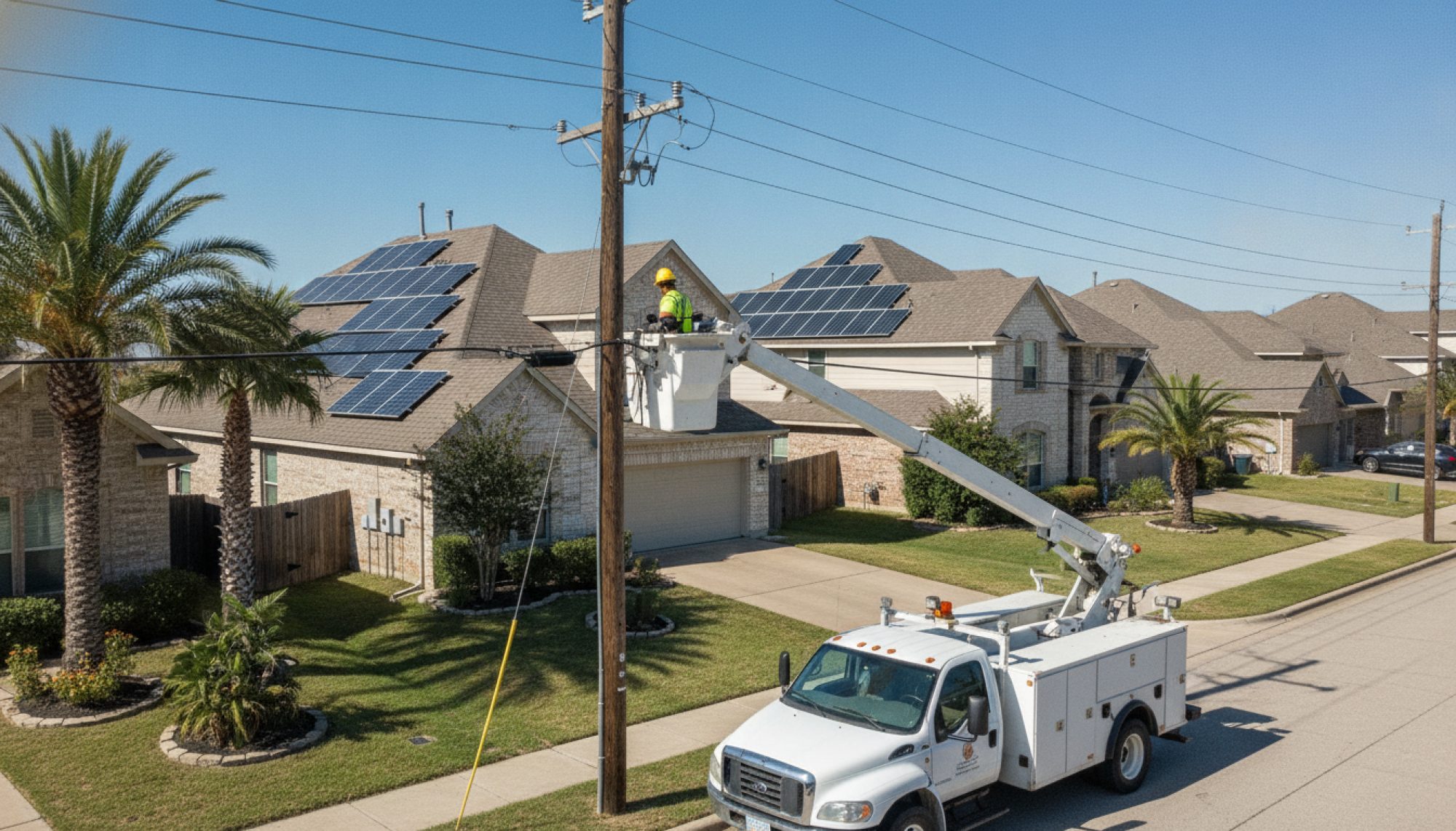
For many Texans living in deregulated energy zones, shopping for electricity can feel a bit confusing. You might sign up for an eco-friendly electricity plan with a brand like Gexa Energy, yet when there is a storm or a local infrastructure upgrade, you see an Oncor or CenterPoint Energy truck parked on your street. Why are there two different companies involved in keeping your lights on? The answer lies in the unique structure of the Texas power grid, which splits the responsibility of selling energy from the physical delivery of it.
To fully grasp how your electricity bill is structured and how your power is delivered, it is crucial to understand what is a transmission and distribution service provider (TDSP) and how its role differs from your retail supplier. By distinguishing between these two entities, you can shop for electricity with confidence and know exactly who to contact when you need assistance.
The Retail Electric Provider (REP): Your Energy Seller
In the deregulated Texas market, a Retail Electric Provider (REP) is the company you choose to buy your electricity from. REPs act as the customer-facing side of the market. They purchase wholesale electricity, design various energy plans, handle your billing, and manage your customer service account. When you shop for a new energy plan on a platform like ElectricityOne, you are comparing offers from different REPs.
A premier example of a Texas REP is Gexa Energy, known for its strong commitment to sustainability. If you choose the Gexa Eco Saver Plus 12 Plan, Gexa offsets 100% of your electricity usage with renewable energy credits (RECs) for a full year. However, even though Gexa Energy is your chosen provider and manages your green energy supply billing, they do not own the physical power lines that connect to your home. That physical delivery is where your utility comes into play.
The TDSP: The Physical Infrastructure Operators
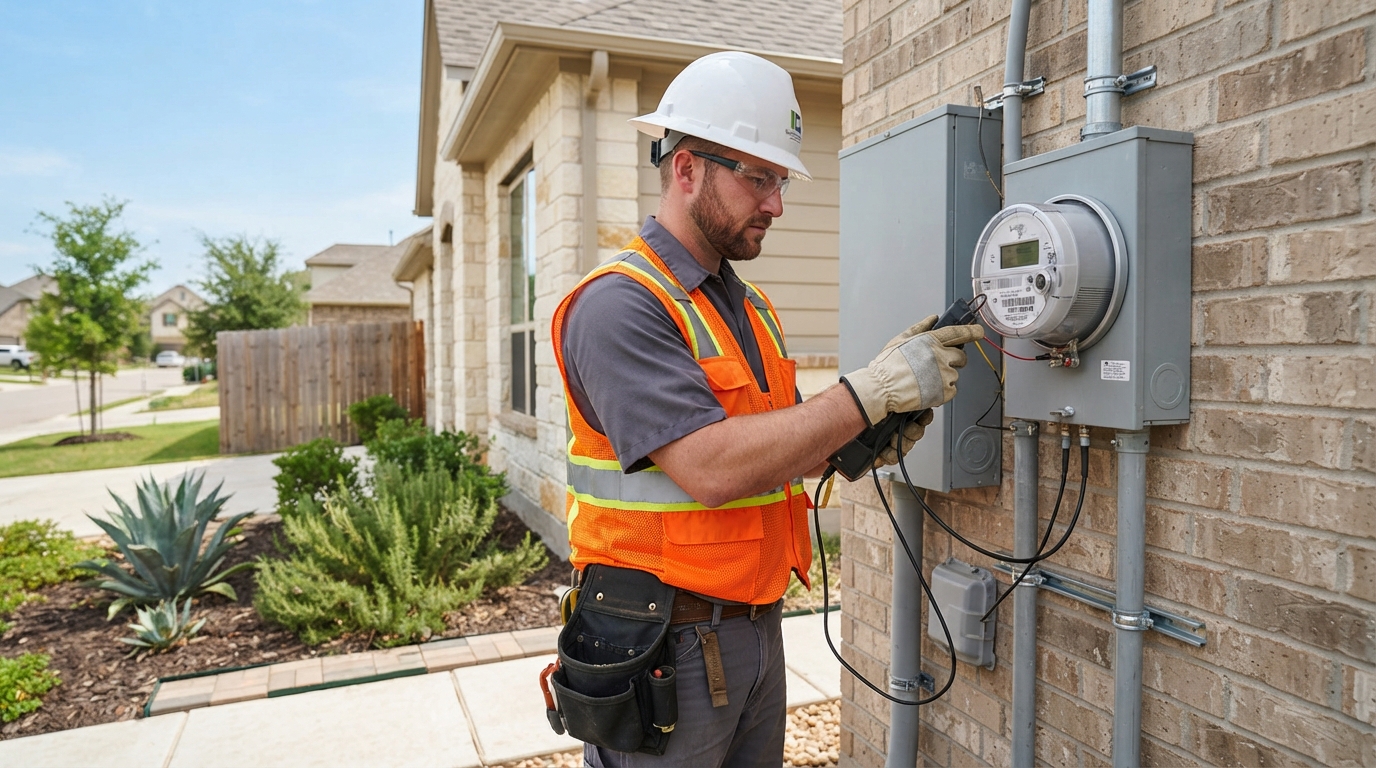
While your REP sells you the energy, your Transmission and Distribution Service Provider (TDSP)—also commonly referred to as a Transmission and Distribution Utility (TDU)—is the entity that physically delivers that energy to your home. TDSPs own and maintain the physical poles, wires, substations, and smart meters that make up the local electrical grid. Regardless of which REP you choose, your TDSP is determined strictly by your geographic location.
There are six major TDSPs operating within the ERCOT grid in Texas:
- Oncor: The largest TDSP in the state, servicing Dallas-Fort Worth, Waco, Wichita Falls, and parts of West Texas.
- CenterPoint Energy: Serving the Houston metropolitan area and surrounding communities.
- AEP Texas Central: Covering southern Texas cities like Corpus Christi, McAllen, and Laredo.
- AEP Texas North: Servicing northern and western regions, including Abilene and San Angelo.
- Texas New-Mexico Power (TNMP): Operating in scattered pockets across the state, including portions of the Gulf Coast, North Texas, and West Texas.
- Lubbock Power & Light (LP&L): The newest addition to the competitive Texas market, having recently transitioned its customers into the deregulated ERCOT grid.
Because TDSPs are regulated monopolies overseen by the Public Utility Commission of Texas (PUCT), their delivery charges are standardized and approved by the state. These charges are passed through to your monthly bill, appearing as a separate line item regardless of whether you have a standard or green energy plan.
Why Shop with ElectricityOne?
Navigating the relationship between REPs and TDSPs is much easier when you have an experienced partner by your side. ElectricityOne serves as a prominent educational platform and shopping marketplace, connecting Texas residents and businesses with top-tier REPs while helping them understand their local utility landscape.
When you use ElectricityOne to find your next electricity plan, you benefit from:
- Over 20 years of experience providing reliable, quick, and courteous electric service for Texas homes and businesses.
- A meticulous provider selection process that partners only with reputable REPs offering substantial cost savings and long-term satisfaction.
- Complete transparency, ensuring all TDU pass-through delivery charges and retail fees are clearly disclosed so there are no surprises on your bill.
- Expert guidance on choosing eco-friendly options, such as Gexa Energy green energy plans, tailored to your specific utility delivery zone.
Conclusion: Empowering Your Energy Choices
Understanding the clear distinction between your Retail Electric Provider and your local utility is the key to mastering the Texas energy market. Your chosen REP, like Gexa Energy, handles your supply contract and green energy offsets, while your TDSP ensures the physical grid remains stable and active. Armed with this knowledge, you can make smarter decisions about your energy footprint and budget.
Ready to find the best energy plan for your specific utility delivery area? Call 1.844.567.2863 today to speak with our Texas energy experts.
Frequently Asked Questions
Can I choose a different TDSP if I do not like their delivery charges?
No. Unlike your Retail Electric Provider, you cannot choose your TDSP. TDSPs are regulated monopolies tied to specific geographic territories. Whichever utility owns the physical lines in your area is the one that must deliver your power.
Who do I call if my power goes out or a power line is down?
In the event of a power outage or a downed wire emergency, you should contact your local TDSP (such as Oncor, CenterPoint, or AEP) directly, rather than your REP. Because the TDSP owns and maintains the physical infrastructure, they are the only ones who can dispatch crews to restore your power safely.
Why do TDSP delivery charges appear on my green energy plan?
Even if you enroll in a 100% renewable plan like the Gexa Eco Saver Plus 12 Plan, the physical electricity flowing to your home still travels over the local grid infrastructure. TDSP delivery charges are state-regulated fees that cover the maintenance of these physical wires and meters, meaning they apply to every electricity customer regardless of their chosen energy source.