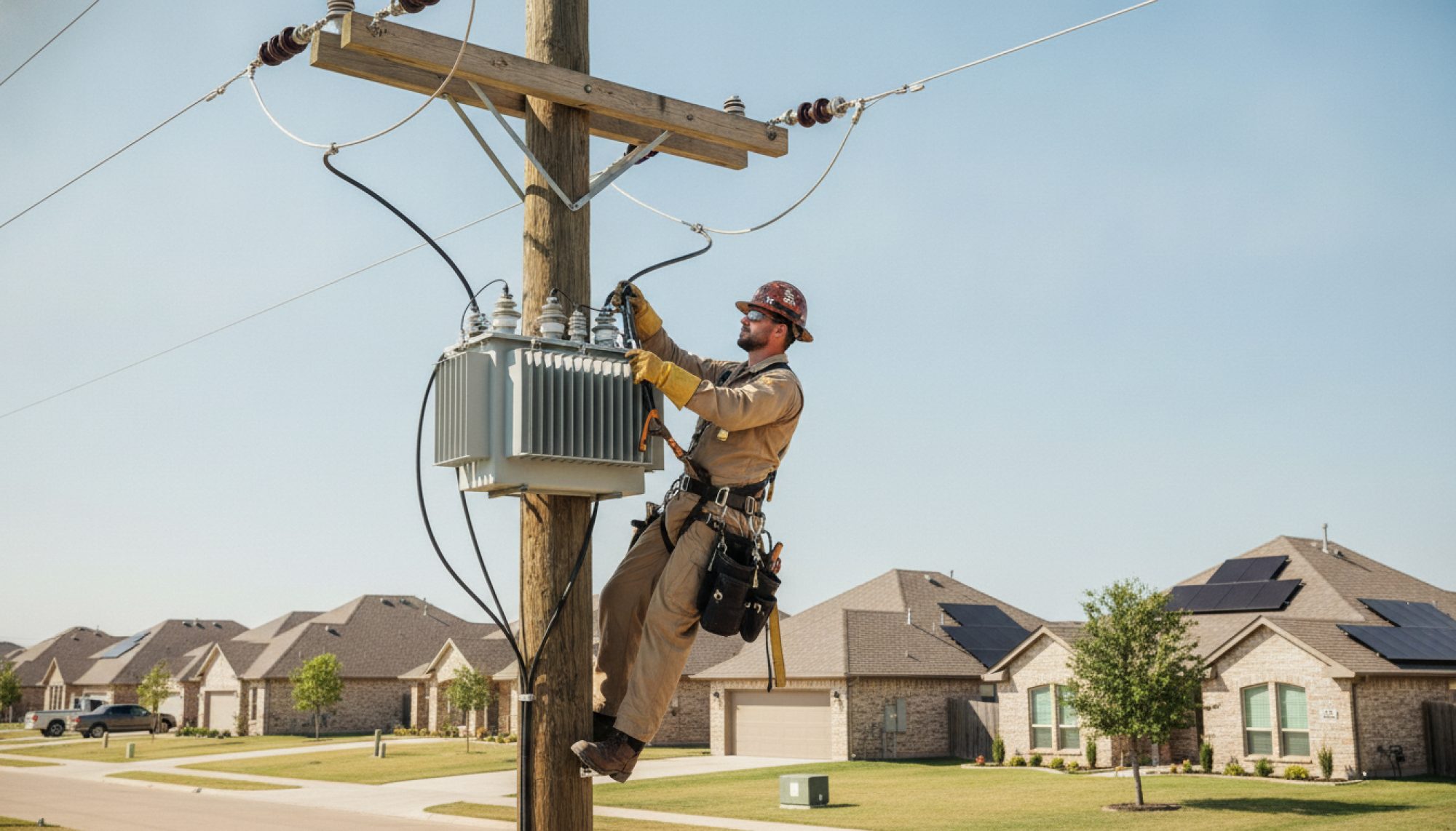
If you have ever looked closely at your Texas electricity bill, you might have found yourself slightly confused. You might have carefully selected a plan from a provider like Frontier Utilities, yet your monthly statement still lists another company name like Oncor, CenterPoint, or AEP. Or perhaps you have watched an utility bucket truck repairing a line down your street and realized the logo on the door did not match the name of the company you pay each month. To make sense of how electricity is delivered to your home and how your monthly statements are structured, it helps to answer one fundamental question: what is a transmission and distribution service provider?
REP vs. TDSP: Understanding the Division of Labor
The Texas deregulated energy market is built on a clear division of labor designed to encourage competition while maintaining grid safety and reliability. This division is split between Retail Electric Providers (REPs) and Transmission and Distribution Service Providers (TDSPs, also commonly referred to as TDUs or utilities).
- Retail Electric Providers (REPs): These are the customer-facing companies that sell you electricity. A premier example is Frontier Utilities. REPs buy electricity from power generators, design various energy plans, manage your billing account, and provide customer service.
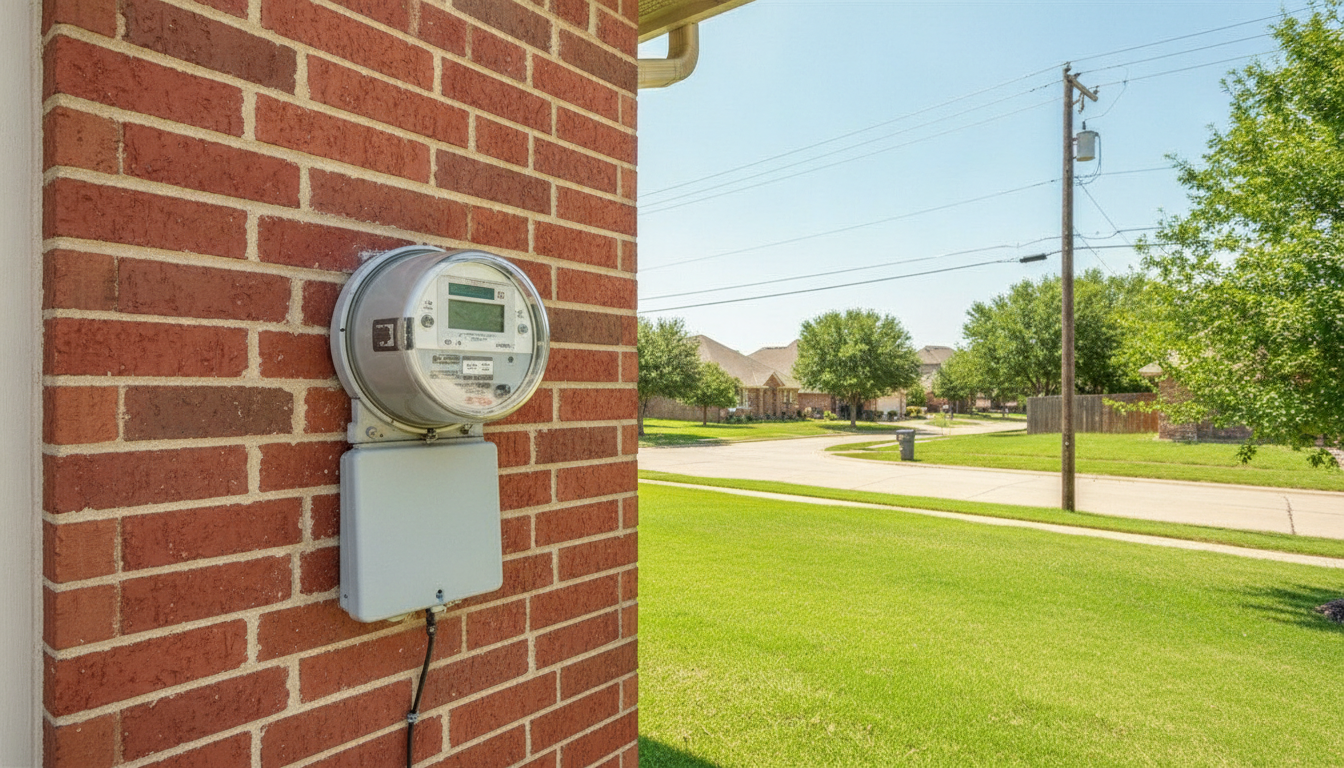
- Transmission and Distribution Service Providers (TDSPs): These are the physical utilities that own and maintain the actual poles, wires, high-voltage transmission lines, and smart meters. They do not sell electricity; instead, they are responsible for physically transporting that power from the grid to your home, regardless of which REP you choose.
The Geography of the Texas Grid: The Six Major TDSP Territories
While you have the freedom to shop around for your retail provider, you cannot choose your TDSP. Your utility is determined entirely by your physical location. The ERCOT grid is divided into six major utility service territories, each managed by a specific TDSP:
1. Oncor Electric Delivery
As the largest TDSP in Texas, Oncor services millions of homes and businesses across the Dallas-Fort Worth metroplex, West Texas, and parts of Central Texas. They maintain hundreds of thousands of miles of transmission and distribution lines.
2. CenterPoint Energy
CenterPoint manages the physical electric infrastructure for the Houston metropolitan area and surrounding Gulf Coast communities. They ensure that one of the state’s most densely populated regions remains powered through all seasons.
3. AEP Texas Central
AEP Central covers a vast geographic footprint across Southern Texas, including major hubs like Corpus Christi, Laredo, McAllen, and Harlingen, maintaining the grid infrastructure across these vital coastal and border communities.
4. AEP Texas North
AEP North services the more rural and wind-energy-rich areas of West Texas and the northern Panhandle, including cities like Abilene and San Angelo, ensuring reliable energy delivery across sprawling terrain.
5. Texas New-Mexico Power (TNMP)
TNMP services several pockets of the state, including areas southeast of Houston, portions of North Texas, and parts of West Texas. They maintain the infrastructure for dozens of communities that lie outside the larger metropolitan utility zones.
6. Lubbock Power & Light (LP&L)
LP&L is the newest addition to the competitive Texas market. Having recently transitioned its customers into the deregulated ERCOT grid, Lubbock residents can now choose their own REPs while LP&L continues to operate as the local transmission and distribution utility.
Securing Long-Term Stability with Frontier Utilities
No matter which of these six utility territories your home is located in, you can choose a retail provider that offers the perfect plan for your budget. Frontier Utilities stands out as an exceptional choice for Texas consumers seeking long-term rate stability.
When you enroll in a stable, long-term plan like the Frontier Saver Premier 24 plan, you secure your base energy supply rate for a full 24 months. This means that even if wholesale energy prices spike during scorching summer heatwaves or freezing winter storms, your retail energy supply charge remains locked in. However, it is important to remember that while Frontier Utilities secures your supply rate, your local TDSP still charges regulated distribution fees to deliver that power to your home. These delivery charges are passed through directly on your bill without any markup from your retail provider.
How ElectricityOne Simplifies Your Texas Energy Journey
Navigating the relationship between your local utility delivery area and the dozens of retail plans available can feel overwhelming. That is where ElectricityOne comes in. As a trusted platform built to help Texans make informed decisions, we simplify the shopping experience by vetting providers and highlighting transparent options.
When you shop through ElectricityOne, you benefit from:
- Over 20 years of experience providing reliable, quick, and courteous electric service for Texas homes and businesses.
- A meticulous provider selection process that ensures partnerships only with top-tier REPs offering substantial cost savings and long-term satisfaction.
- Complete transparency with clear, honest disclosures of all costs, including the regulated TDU pass-through charges, so you never face unexpected surprises on your monthly statement.
- A user-friendly platform that instantly matches your specific ZIP code with the absolute best plans available in your local utility territory.
Understanding Regulated Pass-Through Charges
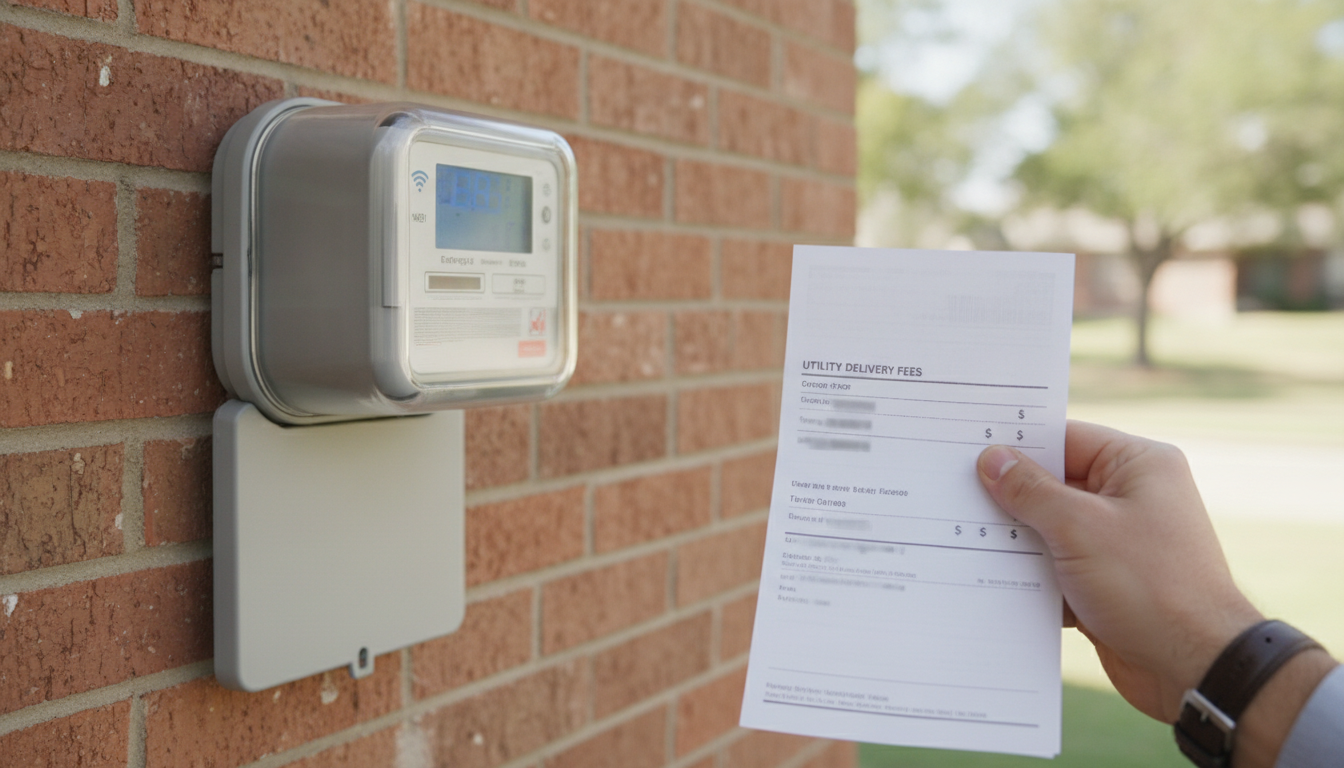
Because TDSPs operate as natural monopolies in their respective territories, their rates and fees are heavily regulated by the Public Utility Commission of Texas (PUCT). These charges cover the cost of maintaining the physical grid, reading smart meters, and restoring power after storms.
These delivery fees consist of a fixed monthly utility charge and a variable charge based on your overall usage (cost per kilowatt-hour). Because these fees are set by the PUCT and updated twice a year, they will appear on your monthly statement regardless of whether you choose a short-term plan or a stable, long-term contract. Understanding that these fees are a normal, regulated part of your service helps you read your bill with confidence and accurately compare the base supply rates offered by providers like Frontier Utilities.
Conclusion
By understanding the distinction between your retail provider and your local utility, you can shop the Texas energy market with complete clarity. You have the power to choose a retail provider like Frontier Utilities to secure your energy supply rate, while resting assured that your local TDSP is hard at work keeping the physical grid safe and reliable.
Ready to find the best energy plan for your specific utility delivery area? Call 1.844.567.2863 today to speak with our Texas energy experts.
Frequently Asked Questions
What is the difference between an REP and a TDSP?
A Retail Electric Provider (REP) is the company you choose to buy your electricity from, who manages your account and sends your monthly bill. A Transmission and Distribution Service Provider (TDSP) is the local utility company that owns and maintains the physical poles, wires, and meters that deliver the electricity to your home.
Do TDSP delivery charges change depending on my retail contract?
No. TDSP delivery charges are regulated by the Public Utility Commission of Texas (PUCT) and are identical for everyone within a specific utility territory, regardless of which retail provider or plan you choose. These charges are passed through directly to your bill without any markup from your retail provider.
Who do I call if my power goes out or there is a downed line?
You should always contact your local TDSP (such as Oncor, CenterPoint, AEP, TNMP, or LP&L) in the event of an outage or emergency. Because the utility owns and maintains the physical infrastructure, they are the only ones who can dispatch crews to restore power or repair damaged equipment.