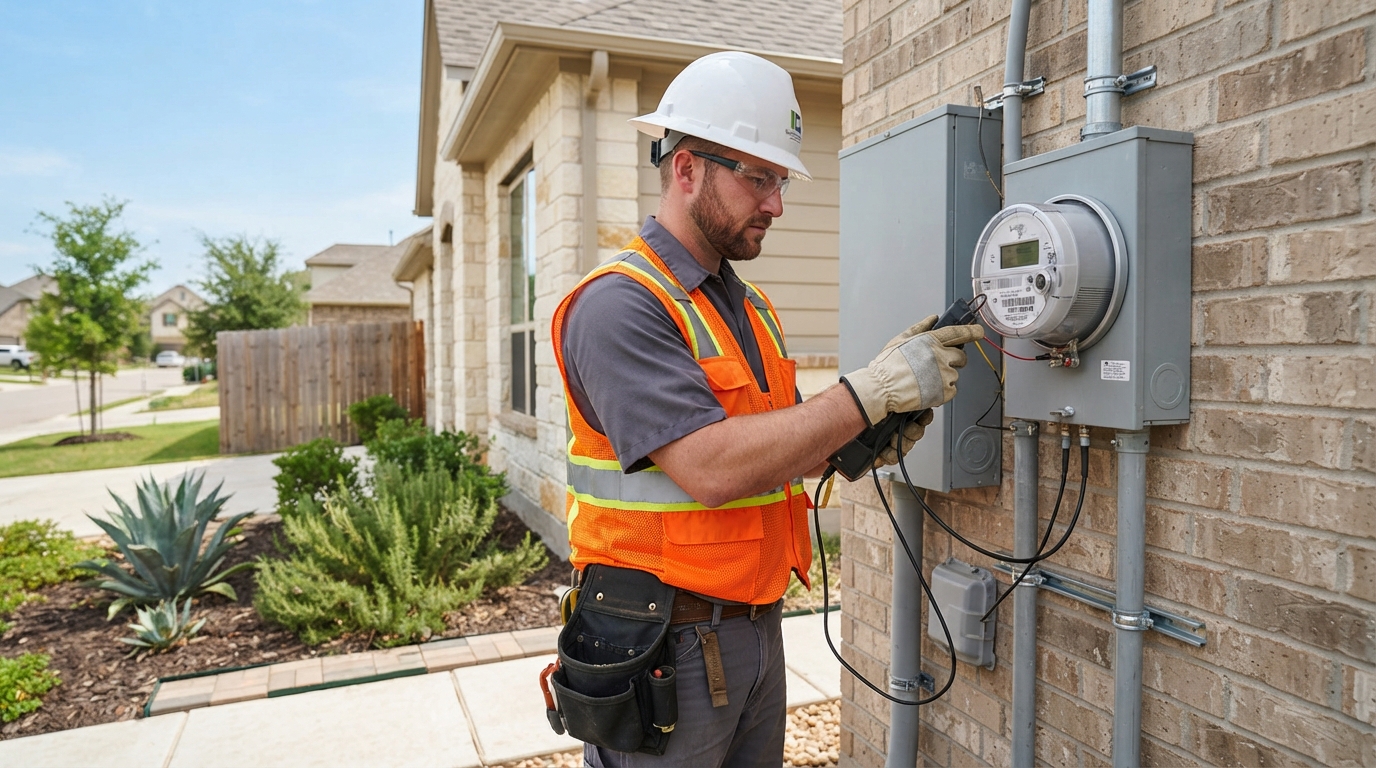

Imagine you just signed up for a stable, long-term electricity plan with Frontier Utilities through ElectricityOne. You are enjoying peace of mind, but then a storm rolls through and you see an Oncor or CenterPoint truck working on the power lines down your street. You might wonder: who actually powers my home? To understand how the Texas grid operates, it is essential to ask, what is a transmission and distribution service provider (TDSP), and how do they differ from your retail electric provider (REP)?
Retail Provider vs. Utility Company: Understanding the Difference
In the deregulated Texas energy market, power delivery is split into two distinct roles. Your Retail Electric Provider (REP), such as Frontier Utilities, is the company that sells you energy, manages your account, and handles your billing. On the other hand, your TDSP (often called a Transmission and Distribution Utility, or TDU) is the entity that owns and maintains the physical poles, wires, transformers, and smart meters that deliver electricity to your home or business.
When you choose a reliable plan like the Frontier Saver Premier 24, Frontier Utilities secures your energy supply rate for a full 24 months. However, your local TDSP remains responsible for physically delivering that power across the local lines and addressing any physical infrastructure issues.
The Geography of the Grid: The Six Major Texas Utilities
Texas is divided into specific geographic service territories, each managed by a designated TDSP. No matter which REP you choose, your utility company is determined solely by where you live. Here is a breakdown of the six major utilities maintaining the ERCOT grid:
- Oncor: The largest utility in Texas, serving millions of customers. If you are shopping for electricity dallas residents rely on Oncor to maintain the physical grid.
- CenterPoint Energy: Serving the Houston metropolitan area and surrounding gulf coast communities. For those looking up electricity Houston homes and businesses are serviced by CenterPoint’s extensive delivery network.
- AEP Texas Central & AEP Texas North: Covering vast portions of South Texas, the Rio Grande Valley, and West Texas.
- Texas New-Mexico Power (TNMP): Operating in localized pockets across the state, including parts of the Gulf Coast, North Texas, and West Texas.
- Lubbock Power & Light (LP&L): The newest addition to the competitive Texas market, which recently transitioned into the ERCOT grid, giving West Texas residents the opportunity to choose their own providers.
Navigating the Texas Energy Market with ElectricityOne
While the state’s official power to choose portal lists many options, navigating these utility territories can be complex. Whether you are looking for residential options, a flexible prepaid electric service, or competitive business electricity plans, finding the right fit requires expert guidance.
ElectricityOne serves as a prominent platform that connects Texas residents and businesses with the finest REPs in the state—like Frontier Utilities—while educating them on the role of their local utility. Here is what we bring to the table:
- Over 20 years of experience providing reliable, quick, and courteous electric service for Texas homes and businesses.
- A meticulous provider selection process ensuring partnerships only with REPs that offer substantial cost savings and long-term satisfaction.
- Transparent disclosure of all costs and fees, including TDU pass-through charges, so there are never any surprises on your monthly statement.
Understanding Pass-Through Fees on Your Bill
No matter which REP you select, your monthly electricity statement will include TDSP delivery charges. These are regulated distribution charges approved by the Public Utility Commission of Texas (PUCT) to cover the cost of maintaining the grid. They are passed through directly to the consumer without any markup from your retail provider. Whether you prefer short-term flexibility or a stable, long-term rate, these fees will always appear on your bill as they are required to keep the physical grid safe and operational.
Who to Call When the Lights Go Out
Knowing the difference between your utility and your provider is crucial during an emergency. If your lights go out or you spot a downed power line, do not call your retail provider. Frontier Utilities handles your energy supply and billing, but they do not own the wires. For outages, always contact your local TDSP directly, as they have the crews and equipment to restore your power safely and quickly.
Ready to find the best energy plan for your specific utility delivery area? Call 1.844.567.2863 today to speak with our Texas energy experts.
Frequently Asked Questions
What is the difference between an REP and a TDSP?
An REP (Retail Electric Provider) like Frontier Utilities sells you electricity, manages your account, and handles your billing. A TDSP (Transmission and Distribution Service Provider) owns and maintains the physical poles, wires, and meters, and is responsible for delivering the electricity to your property and fixing power outages.
Can I choose my own TDSP in Texas?
No. While you can choose your Retail Electric Provider, your TDSP is determined entirely by your physical geographic location. Each utility company operates as a regulated monopoly within its specific territory to ensure safety, reliability, and efficiency.
Do TDSP delivery charges change?
Yes. TDSP delivery charges are regulated by the Public Utility Commission of Texas (PUCT) and typically adjust twice a year (usually in March and September). These charges apply to all consumers in that utility territory, regardless of which retail provider or energy plan they have chosen.