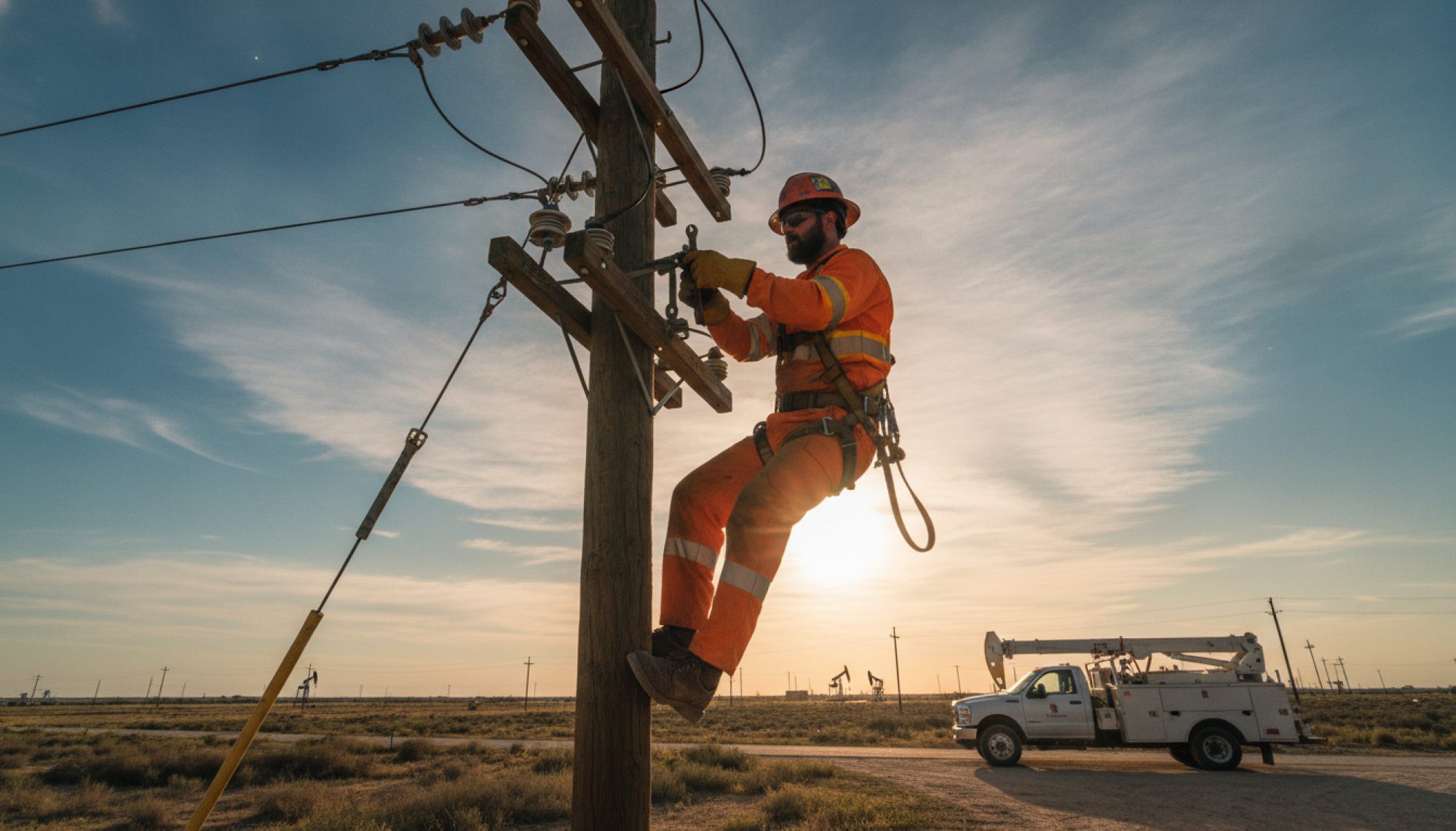
Have you ever looked at your Texas electricity setup paperwork and seen a brand name like Payless Power, only to look out your front window and spot an Oncor or CenterPoint utility truck working on the power lines? If so, you are not alone. Millions of Texans living in the state’s deregulated energy market experience this exact scenario. It highlights the fundamental division of labor in the Lone Star State’s electrical grid. While you have the freedom to choose the company that bills you for your power, a completely different, regulated entity is responsible for physically delivering that electricity to your home.
The Difference Between Your REP and Your TDSP
To navigate the Texas energy landscape successfully, you must understand the distinction between a Retail Electric Provider (REP) and a Transmission and Distribution Service Provider (TDSP, also commonly referred to as a TDU).
- Retail Electric Provider (REP): This is the company you choose to sell you electricity, manage your account, handle billing, and provide customer service. An example of a premier Texas REP is Payless Power.
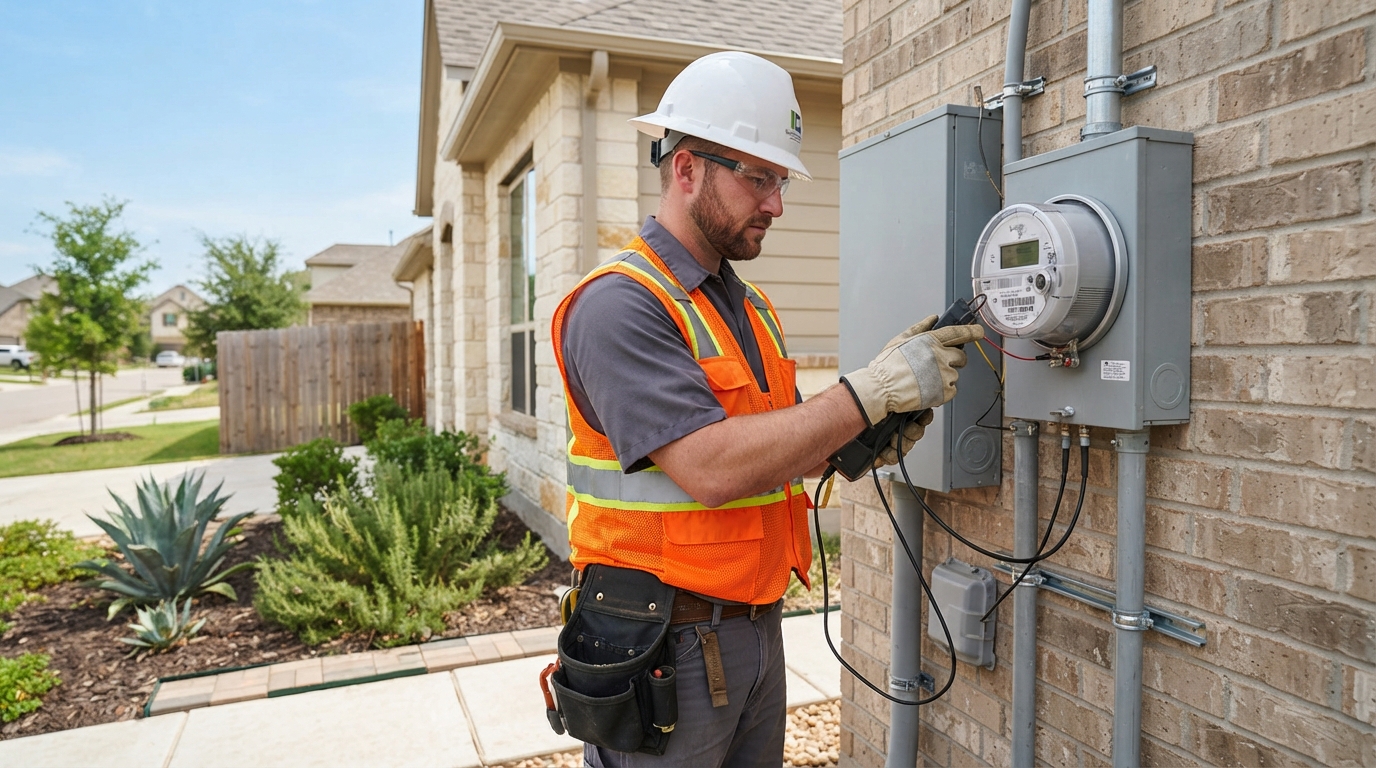
- Transmission and Distribution Service Provider (TDSP): This is the local utility company that owns and maintains the physical poles, wires, transformers, and smart meters. They are responsible for delivering the actual electricity to your home and restoring power during an outage.
Demystifying Pass-Through Fees
One of the most common sources of confusion for Texas electricity consumers is the presence of delivery fees on their monthly statements. When we look at how texas tdsp delivery charges explained apply to your bill, the most important concept to grasp is that these are “pass-through” fees.
These charges are set, approved, and regulated by the Public Utility Commission of Texas (PUCT). Because they are heavily regulated, they do not change based on which retail provider you choose. Whether you opt for a traditional postpaid plan or sign up for flexible Payless Power prepaid plans, the TDSP delivery charges remain exactly the same for every home within that specific utility’s service area.
These fees are passed directly from the utility company, through your REP, and onto your statement without any markup. They cover the ongoing cost of maintaining the electrical grid, reading your smart meter, and repairing downed lines. They typically consist of a fixed monthly utility fee and a variable cost per kilowatt hour of usage.
The Six Major Texas Utility Territories
Depending on your physical geographic location in Texas, your electricity delivery is managed by one of six major utility companies:
- Oncor: The largest TDSP in Texas, serving the Dallas-Fort Worth metroplex, Waco, Wichita Falls, and parts of West Texas.
- CenterPoint Energy: Serving the Houston metropolitan area and surrounding coastal communities.
- AEP Texas Central: Covering southern Texas, including cities like Corpus Christi, McAllen, and Laredo.
- AEP Texas North: Covering northern and western areas, including Abilene and San Angelo.
- Texas New-Mexico Power (TNMP): Serving various pockets across the state, including areas near Houston, Dallas-Fort Worth, and West Texas.
- Lubbock Power & Light (LP&L): The newest utility to enter the competitive market, transitioning its customers into the deregulated ERCOT grid.
How Payless Power Services These Territories
No matter which of these six utility territories your home falls into, you can take advantage of flexible, modern energy solutions. Payless Power is a standout example of an innovative Texas REP offering flexible, no-deposit options, including their highly popular 6 Month – Prepaid and 12 Month – Prepaid plans.
With these prepaid options, Payless Power manages your daily prepaid balances and sends you helpful usage alerts. However, the physical delivery of your power is still handled by your local TDSP. If a severe storm knocks out a power line, it is your local utility—not your retail provider—that sends out a bucket truck to restore your service safely.
Navigating the Texas Grid with ElectricityOne
At ElectricityOne, we believe that finding the right energy plan shouldn’t be a guessing game. We act as your trusted guide to the Texas deregulated market, ensuring you find the perfect match for your home’s unique utility zone.
Here is how ElectricityOne simplifies the shopping process for Texas residents:
- Over 20 Years of Experience: Providing reliable, quick, and courteous electric service connection assistance for Texas homes and businesses.
- Meticulous Provider Selection: We partner only with top-tier REPs—like Payless Power—that offer substantial cost savings and long-term customer satisfaction.
- Complete Cost Transparency: We ensure a clear, upfront disclosure of all costs and fees, including the regulated TDU pass-through charges, so there are never any surprises.
- Expert Guidance: Helping you understand how your local utility’s delivery structure impacts your overall energy budget.
Conclusion
Understanding the role of your TDSP is the key to mastering your Texas electricity bill. It helps you realize that while you have the power to choose your retail provider and your payment structure—such as selecting competitive Payless Power Texas electricity rates and prepaid options—the physical delivery of your power remains in the reliable, regulated hands of your local utility.
Ready to find the best energy plan for your specific utility delivery area? Call 1.844.567.2863 today to speak with our Texas energy experts.
Do TDSP delivery charges change depending on my Retail Electric Provider?
No. TDSP delivery charges are strictly regulated by the Public Utility Commission of Texas (PUCT). They are pass-through fees, meaning they remain identical regardless of which REP or plan you choose in that utility zone.
What is the difference between a 6 Month and 12 Month prepaid plan with Payless Power?
Both plans offer no-deposit electricity with daily balance tracking. The primary difference is the contract term length, allowing you to lock in your energy rate structure for either six months or a full year to protect against market fluctuations.
Who do I call if my power goes out?
You should always contact your local TDSP (such as Oncor, CenterPoint, or AEP), not your retail provider. Your TDSP owns, operates, and maintains the physical infrastructure and is responsible for restoring power safely.