Ever wondered why your electricity bill seems to have charges from two different companies? You chose a provider like Payless Power, but then you see names like Oncor or CenterPoint on your statement. This common confusion is at the heart of understanding Texas’s deregulated energy market, and specifically, the role of TDSP delivery charges.
Retail Electric Provider (REP) vs. Transmission and Distribution Service Provider (TDSP)
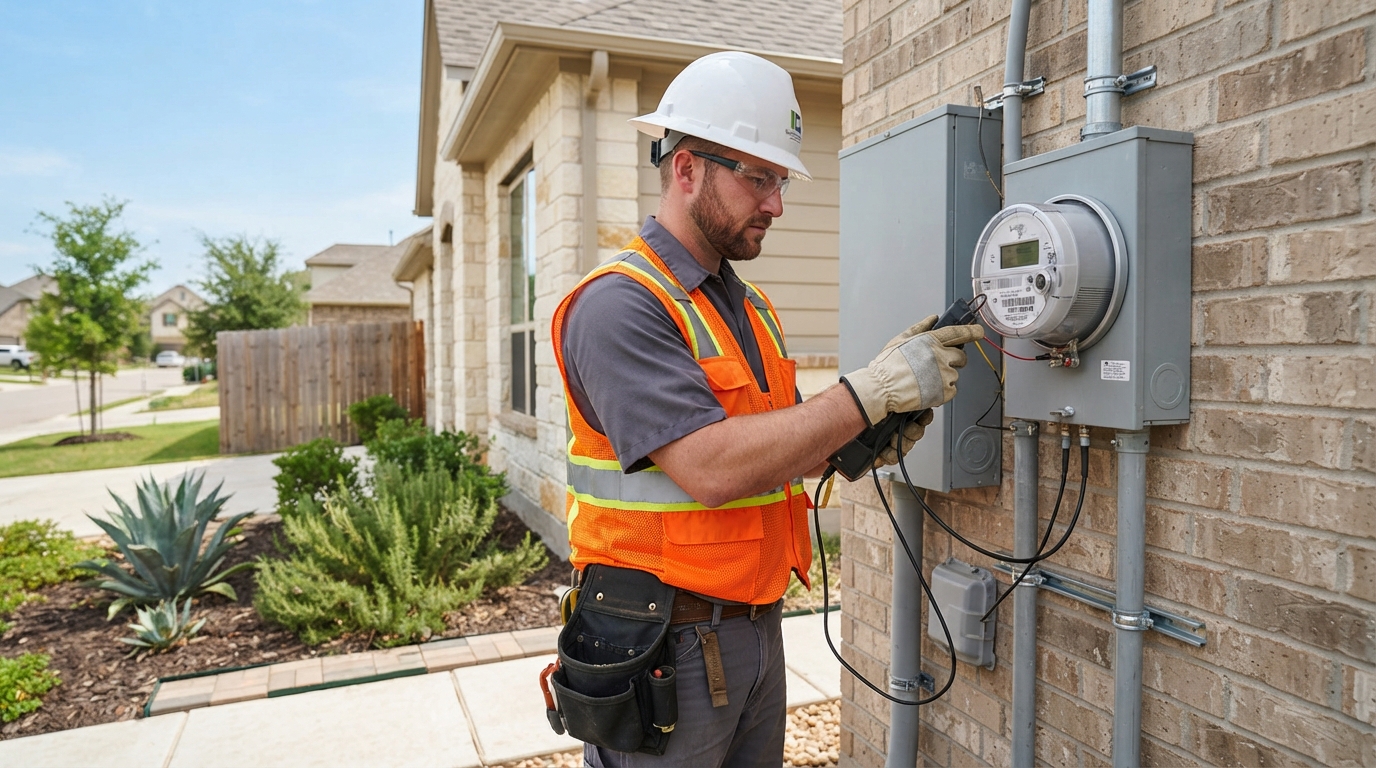
In Texas, your energy service is a two-part system. First, you have your Retail Electric Provider (REP), such as Payless Power Texas electricity rates. This is the company you choose to sell you electricity, manage your account, handle billing inquiries, and provide customer service. Second, there’s the Transmission and Distribution Service Provider (TDSP), often called your utility company. These are the companies that own, operate, and maintain the physical infrastructure – the poles, wires, substations, and smart meters – that deliver electricity to your home or business. They ensure the lights stay on and the power flows reliably.
The Unavoidable Reality: What Are TDSP Delivery Charges?
TDSP delivery charges are essentially pass-through fees that cover the costs associated with maintaining and upgrading the vast electricity grid. These charges fund everything from routine maintenance of power lines to emergency repairs after a storm, and the implementation of advanced smart meter technology. Critically, these fees are regulated by the Public Utility Commission of Texas (PUCT) to ensure fairness and transparency for consumers. They are an unavoidable part of your electricity bill, applying to every customer in the deregulated areas of Texas, regardless of which REP you choose or whether you’re on a prepaid or traditional plan. Understanding these charges is key to comprehending your overall energy costs, which is why we’re here to help get texas tdsp delivery charges explained clearly.
How Payless Power and Other REPs Handle TDSP Charges
As a premier Texas REP, Payless Power offers flexible, no-deposit options like their 6 Month – Prepaid and 12 Month – Prepaid plans, making electricity accessible to more Texans. While Payless Power manages your electricity account and prepaid balance, ensuring you have power when you need it, the local TDSP still physically delivers that power to your home. The TDSP charges are passed through to you, incorporated into your overall cost, ensuring transparency. This means that while your daily balance with Payless Power reflects your energy usage and plan rate, it also accounts for these essential delivery fees from your local utility.
The Six Pillars of Texas’s Grid Infrastructure
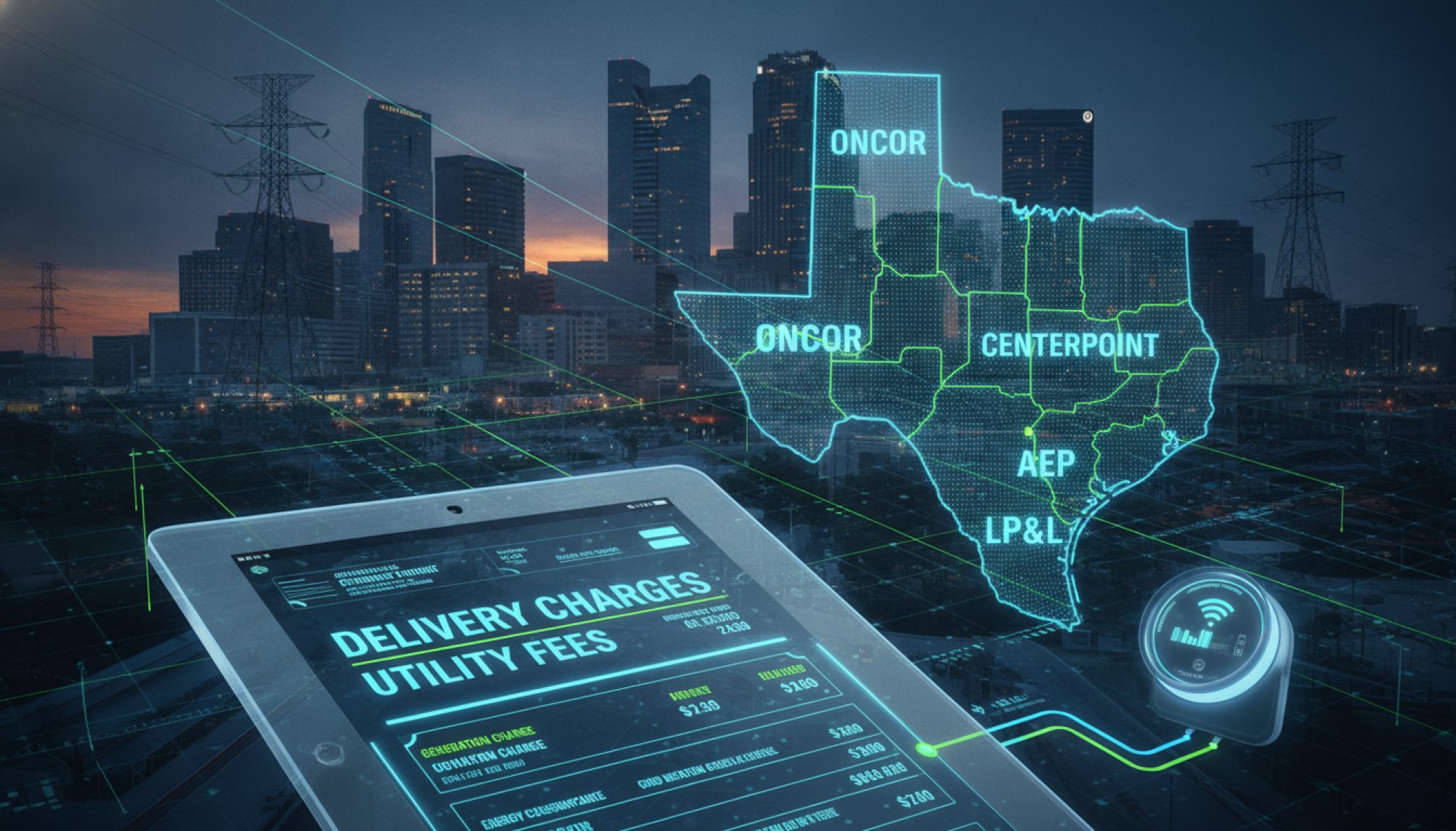
The deregulated Texas energy market relies on six major TDSPs, each serving distinct geographic regions. These include AEP Central, AEP North, CenterPoint Energy, Lubbock Power & Light (LP&L), Oncor Electric Delivery, and Texas New-Mexico Power (TNMP). LP&L recently transitioned into the competitive market, joining the ranks of these established utilities. Each of these companies is responsible for the infrastructure within its specific service territory, working behind the scenes to keep the power flowing safely and efficiently to millions of homes and businesses.
Why ElectricityOne Simplifies Your Energy Search
Navigating the Texas energy market can feel complex, especially with terms like REP and TDSP. That’s where ElectricityOne steps in. We are a prominent platform dedicated to connecting residents and businesses with the finest Retail Electric Providers (REPs) in the state—like Payless Power—while educating them on the vital role of their local utility.
- With over 20 years of experience, ElectricityOne provides reliable, quick, and courteous electric service for Texas homes and businesses.
- We connect residents and businesses with the finest Retail Electric Providers (REPs) in the state—like Payless Power—while educating them on the role of their local utility.
- Our meticulous provider selection process ensures partnerships only with REPs that offer substantial cost savings, transparent disclosure of all costs/fees (including TDU pass-through charges), and long-term satisfaction.
Empowering Your Energy Choices
Understanding the clear distinction between your Retail Electric Provider and your Transmission and Distribution Service Provider, and how texas tdsp delivery charges explained are structured, empowers you to better comprehend your monthly statement. It also clarifies who to contact in an emergency: your TDSP for power outages or downed lines, and your REP for billing or account-related inquiries. This knowledge puts you in control of your energy choices and helps you navigate the Texas energy landscape with confidence.
Ready to find the best energy plan for your specific utility delivery area? Call 1.844.567.2863 today to speak with our Texas energy experts.
Frequently Asked Questions About TDSP Delivery Charges
What is the difference between my electricity provider and my utility company?
Your electricity provider (REP) sells you the electricity, manages your account, and handles billing. Your utility company (TDSP) owns and maintains the physical infrastructure like poles, wires, and meters, which physically delivers the electricity to your home.
Do TDSP delivery charges apply to prepaid plans like Payless Power’s?
Yes, TDSP delivery charges are regulated fees that apply to all electricity customers in deregulated areas of Texas, regardless of whether you have a prepaid or traditional electricity plan. They cover the essential costs of maintaining the local electricity grid infrastructure.
Who regulates these delivery charges?
The Public Utility Commission of Texas (PUCT) regulates and approves the TDSP delivery charges. This ensures that the charges are fair, transparent, and cover the necessary costs for maintaining a reliable and safe electricity grid across the state.