
Many Texans open their monthly electricity statement only to find a confusing maze of line items, acronyms, and unexpected fees. If you live in a deregulated part of the Lone Star State, you might wonder why your bill is divided into so many different sections. Understanding how these charges are split between the company that sells you energy and the company that actually delivers it is the key to taking control of your household budget.
Gaining a clear perspective on understanding tdu delivery charges on electric bill statements is the first step toward avoiding billing surprises and choosing the right energy plan for your home.
Retail Electric Providers vs. Transmission and Distribution Utilities
In the deregulated Texas market, your electricity statement represents two distinct services: supply and delivery. Your Retail Electric Provider (REP) is the company you choose to buy your energy from. Whether you are looking for residential service or comparing business electricity plans, your REP manages your account, bills you, and purchases the wholesale electricity. For instance, residents looking for electricity Houston or shopping for competitive electricity dallas options interact primarily with their chosen REP. Some consumers even opt for a flexible prepaid electric service to keep a closer eye on their daily consumption.
However, the REP does not own the physical power lines, poles, or meters. That responsibility belongs to your Transmission and Distribution Utility (TDU), sometimes called a TDSP. Depending on where you live in Texas, your TDU is a regional entity such as Oncor, CenterPoint Energy, AEP Texas, or Texas New Mexico Power (TNMP). Even when you use the power to choose to switch to a new REP, your physical delivery utility remains the same based on your geographic location.
What is a TDU and Why Do They Charge You?
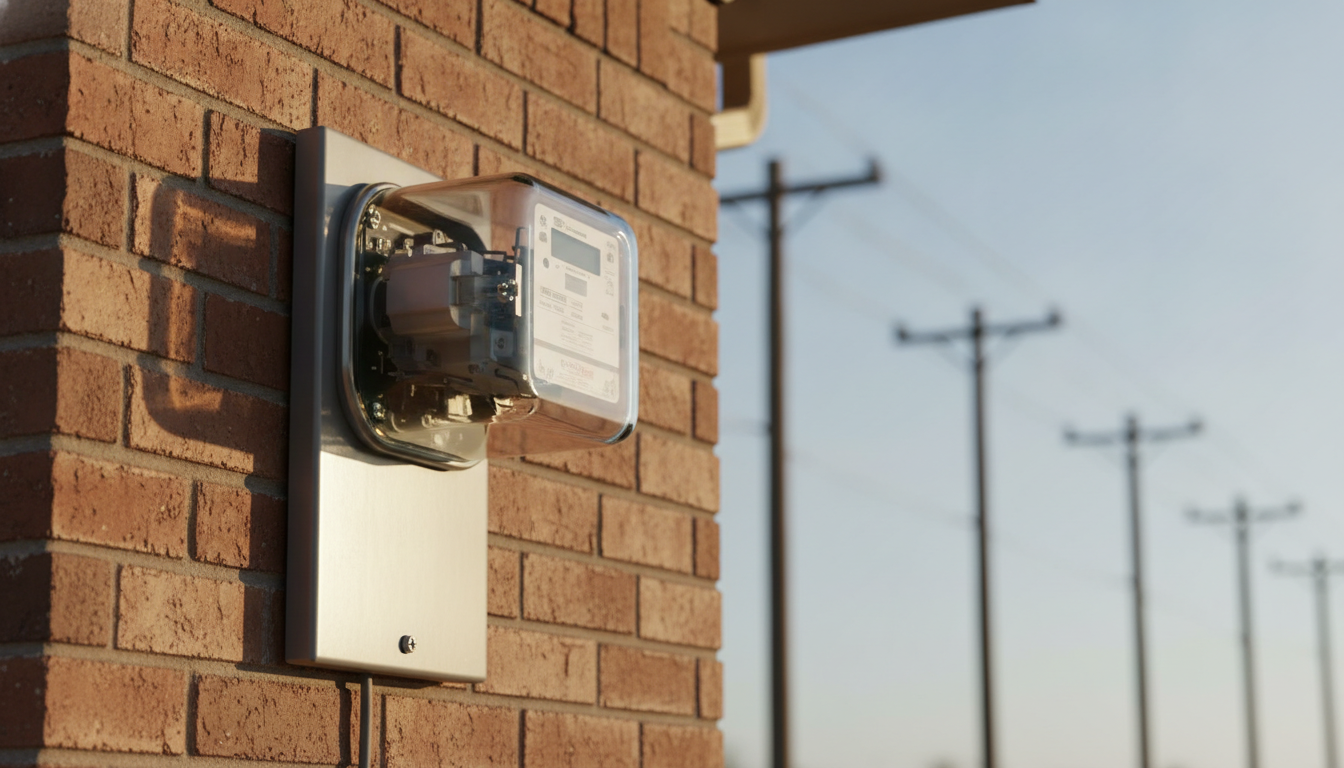
The TDU is responsible for maintaining the electrical grid, responding to power outages, repairing downed lines after storms, and reading your electric meter. Because they operate as regulated monopolies in their respective territories, their rates are approved and regulated by the Public Utility Commission of Texas (PUCT). These distribution costs are passed directly through to you on your monthly statement, regardless of which retail provider you use to buy your electricity.
Spotting the Core Differences on Your Monthly Statement
To truly master your energy budget, you must be able to distinguish between supply charges and delivery charges. Here is a breakdown of how these two components function on your bill:
- Supply Charges (REP): This is the cost of the actual electricity you consume. It is typically billed as a fixed or variable cost per kilowatt-hour. Your REP may also include a monthly base fee or charge additional fees based on your contract terms.
- Delivery Charges (TDU): These are the costs associated with transporting the electricity from the power generation facilities over the grid directly to your home. They consist of a flat monthly customer charge and a per-kilowatt-hour distribution charge. These charges are non-negotiable and are identical for every retail provider operating within that specific TDU territory.
Why ElectricityOne is Your Trusted Texas Energy Partner
Navigating the complex world of Texas utility billing can be overwhelming. That is where we step in to simplify the process and bring absolute transparency to your energy shopping experience.
- Over 20 Years of Experience: We have spent more than two decades providing reliable, quick, and courteous electric service for Texas homes and businesses.
- A Prominent, Trusted Platform: We connect residents and businesses with the finest Retail Electric Providers (REPs) in the state, ensuring absolute bill clarity.
- Meticulous Provider Selection: Our rigorous vetting process ensures we only partner with REPs that offer substantial cost savings, transparent disclosure of all costs and fees, and long-term satisfaction.
Protecting Yourself from Billing Surprises
A deep understanding of your energy statement is your best defense against unexpected spikes and hidden fees. By knowing exactly what portion of your bill goes toward physical grid maintenance versus actual energy supply, you can make highly informed decisions when comparing plans. This clarity empowers you to choose contracts with straightforward pricing structures that align perfectly with your household’s usage patterns.
Ready to switch to a transparent plan with no billing surprises? Call 1.844.567.2863 today to speak with our Texas energy billing experts.
Frequently Asked Questions
Can I choose a different TDU to lower my delivery charges?
No. TDUs are determined by geographic location and operate as regulated monopolies in their respective territories. While you can choose your Retail Electric Provider (REP), you cannot change your TDU.
Why do my TDU charges change from month to month?
TDU charges consist of both a flat monthly fee and a volumetric rate per kilowatt-hour. Because a portion of the charge is based on your total consumption, your overall delivery costs will rise or fall depending on how much electricity you use during the billing cycle.
What is the difference between a flat TDU fee and a per-kWh TDU charge?
The flat monthly fee is a fixed administrative cost charged by the utility for maintaining your connection to the grid, regardless of usage. The per-kWh charge is a variable cost that scales directly with the amount of electricity delivered to your property.