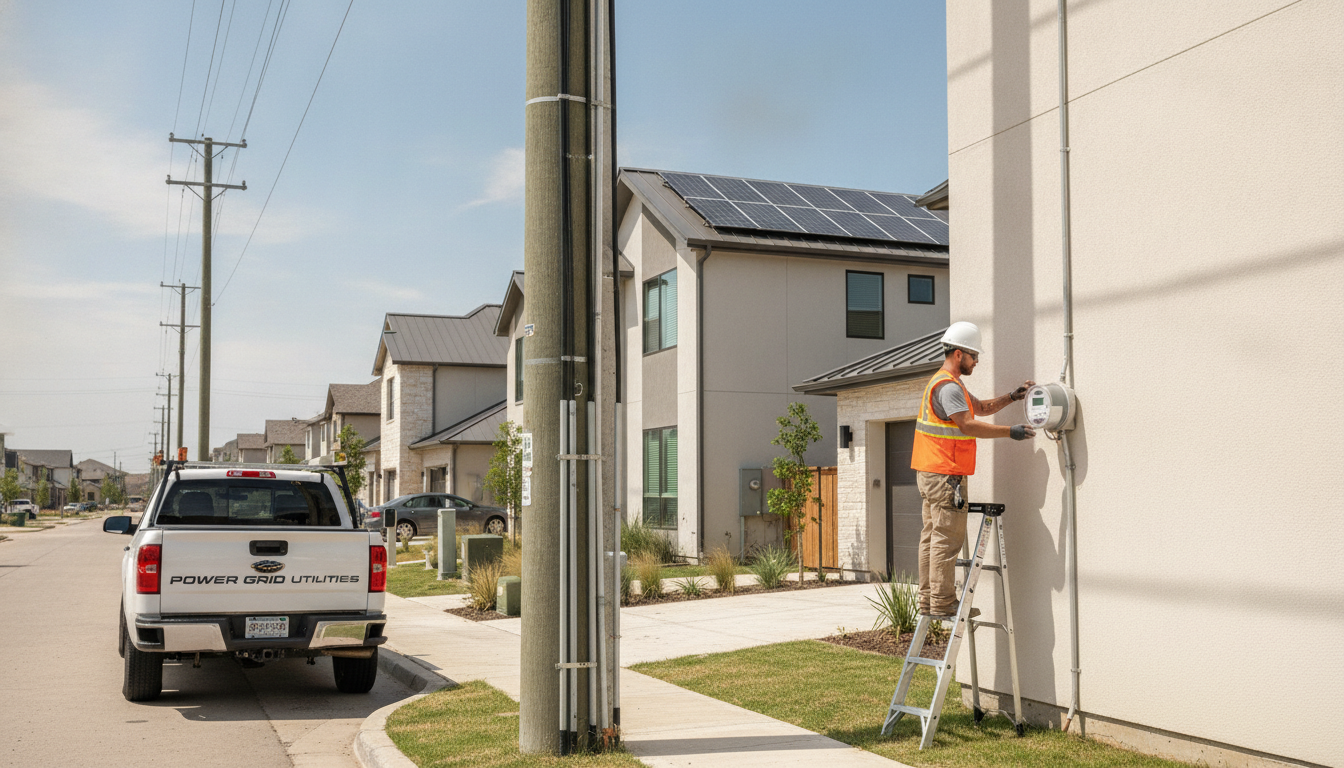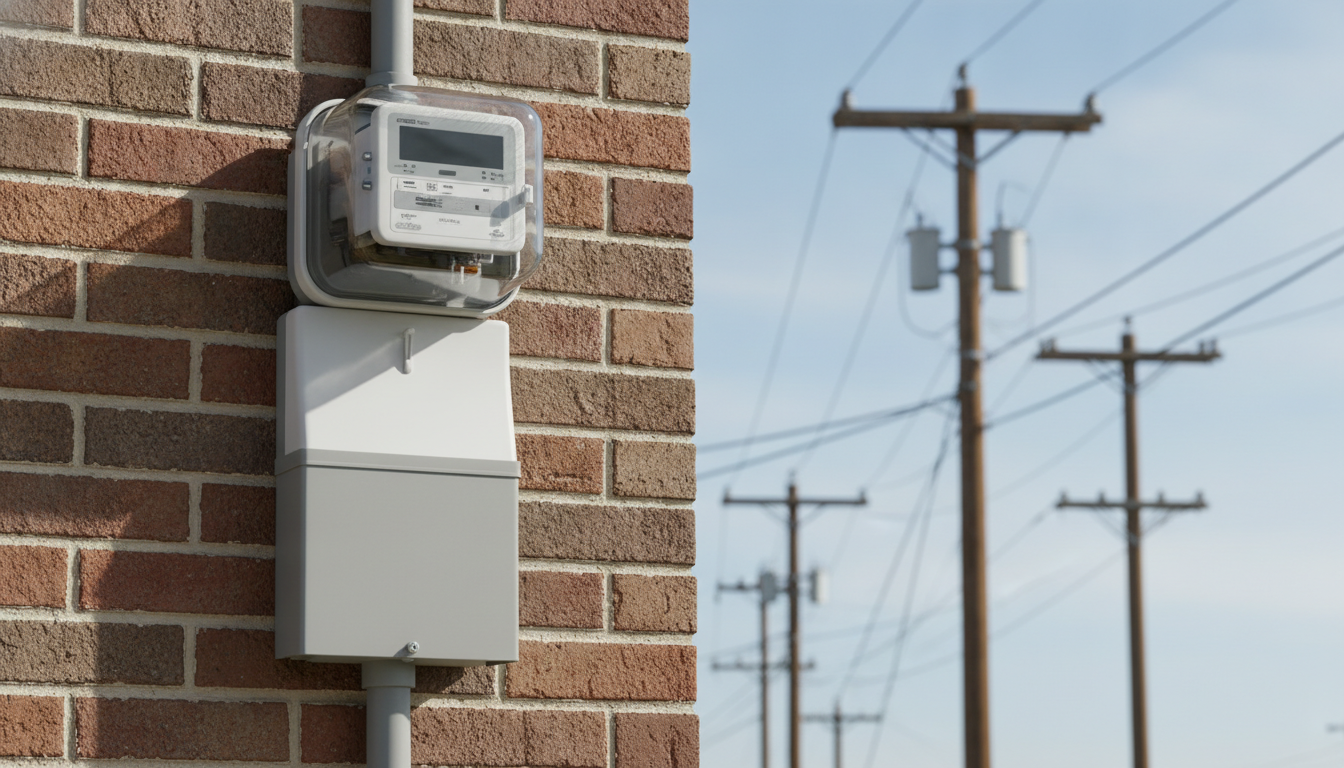

For residents living within the Texas-New Mexico Power (TNMP) service territory, opening a monthly electric bill can sometimes lead to confusion. While you carefully shop around for the most competitive electricity rates, you will always notice a portion of your bill dedicated to transmission and distribution fees. Understanding how tnmp delivery charges affect your monthly expenses is key to choosing the right energy plan and managing your household budget effectively.
Unlike single, massive utility footprints, TNMP serves approximately 270,000 customers across a unique, non-contiguous map of communities. This includes North Texas suburbs, West Texas regions, and Gulf Coast cities like Texas City and League City. No matter where your home or business is located within these scattered pockets, knowing the distinction between your Retail Electric Provider (REP) and your utility company is the first step toward energy literacy.
What Are TNMP Delivery Charges?
In the deregulated Texas energy market, your electricity bill is split into two primary components: generation and delivery. Your REP is the company that purchases electricity and sells it to you, whereas TNMP is the Transmission and Distribution Service Provider (TDSP) that actually delivers that power to your door.
The delivery charges on your bill are regulated by the Public Utility Commission of Texas (PUCT). These fees cover the cost of maintaining the physical electrical grid, including utility poles, high-voltage wires, substations, and smart meters. They also cover the labor required to restore power after severe weather events. Because these are pass-through charges, your REP collects them from you and passes them directly to TNMP. Whether you choose a traditional plan or opt for a prepaid electric service, these delivery fees will remain exactly the same.
How Delivery Fees Are Structured
TNMP delivery fees are billed using a two-part structure approved by state regulators:
- The Customer Charge: A flat, fixed monthly utility fee that applies to your account regardless of how much electricity you consume. This covers the basic administrative costs of maintaining your connection to the grid.
- The Metered Transmission/Distribution Charge: A variable cost per kilowatt-hour that scales with your actual energy usage. The more electricity you use during a billing cycle, the higher this portion of the delivery fee will be.
Because these rates are adjusted periodically by the PUCT, they can fluctuate slightly throughout the year, typically changing in the spring and autumn. This is why even a fixed-rate electricity plan can experience minor adjustments in the total cost per kilowatt-hour over time.
Navigating Electric Choice with ElectricityOne
Finding the right energy plan in the non-contiguous TNMP zones requires a platform that understands the localized nuances of the Texas grid. Instead of getting overwhelmed by the sheer volume of plans on the state’s power to choose portal, smart shoppers turn to a trusted partner.
At ElectricityOne, we act as a prominent platform connecting residents in TNMP territory with the finest Retail Electric Providers operating in their specific zones. Whether you are looking for electricity Houston adjacent plans in the Gulf Coast suburbs, searching for electricity dallas area options in North Texas, or comparing commercial business electricity plans, we simplify the process.
Our platform stands out because of our commitment to transparency and quality:
- 20+ Years of Experience: We have over 20 years of experience providing reliable, quick, and courteous electric service for Texas homes and businesses.
- Meticulous Provider Selection: We partner exclusively with top-tier REPs that offer substantial cost savings and long-term satisfaction.
- Transparent Disclosure: We ensure all costs, including TNMP pass-through fees, are clearly disclosed upfront to eliminate billing surprises.
The Importance of Knowing Your TDU
Understanding TNMP’s role doesn’t just help you read your monthly bill; it also ensures you know exactly who to contact during an emergency. Because your REP does not own or service the physical power lines, calling them during a local power outage will not speed up your restoration. In the event of a blackout or a downed power line, you must contact TNMP directly to dispatch utility crews to your area.
By separating the delivery of power from the retail sale of electricity, Texas consumers enjoy the benefits of a competitive market while relying on a stable, regulated utility to keep the lights on.
Ready to find the best energy plan for your TNMP delivery area? Call 1.844.567.2863 today to speak with our Texas energy experts.
Frequently Asked Questions
Are TNMP delivery charges the same for every retail provider?
Yes. TNMP delivery charges are set and regulated by the Public Utility Commission of Texas (PUCT). These fees are identical for every resident and business within the TNMP service territory, regardless of which Retail Electric Provider (REP) you choose.
How often do TNMP delivery charges change?
The PUCT typically permits utility companies to adjust their delivery tariffs twice a year, usually in March and September. These adjustments reflect the ongoing costs of grid modernization, maintenance, and system upgrades.
Where can I find the delivery charges on my electricity bill?
Most retail electric providers list these fees as a separate line item on your monthly statement, often labeled as “TDU Delivery Charges,” “TNMP Pass-Through Fees,” or “Utility Distribution Charges.”