
Imagine you just signed up for a secure, 12-month electricity plan with APG&E, feeling confident about your energy supply terms. A few weeks later, a major storm rolls through your neighborhood, knocking out the power. As you look out the window, you do not see an APG&E truck pulling up to fix the downed line; instead, it is an Oncor or CenterPoint utility vehicle. This scenario often leaves Texas residents asking: what is a transmission and distribution service provider, and how does it differ from the company sending my monthly bill? Understanding this distinction is the key to navigating the deregulated Texas energy market.
Retail Electric Providers vs. TDSPs: Who Does What?
In Texas, the electricity market is split into two primary entities: Retail Electric Providers (REPs) and Transmission and Distribution Service Providers (TDSPs, also known as TDUs). This separation ensures that while you have the power to choose who you buy your electricity from, a single, highly regulated utility maintains the physical infrastructure in your area to ensure safety and reliability.
Your REP is the customer-facing company. For example, APG&E is a premier Texas REP that handles your billing, manages your account, and purchases electricity on your behalf. When you shop for APG&E Texas electricity rates, you are choosing how much you pay for the actual electricity you consume. Choosing a structured plan like their SimpleSaver 12 plan allows you to lock in your supply terms for a full year, providing peace of mind and protection against market volatility.
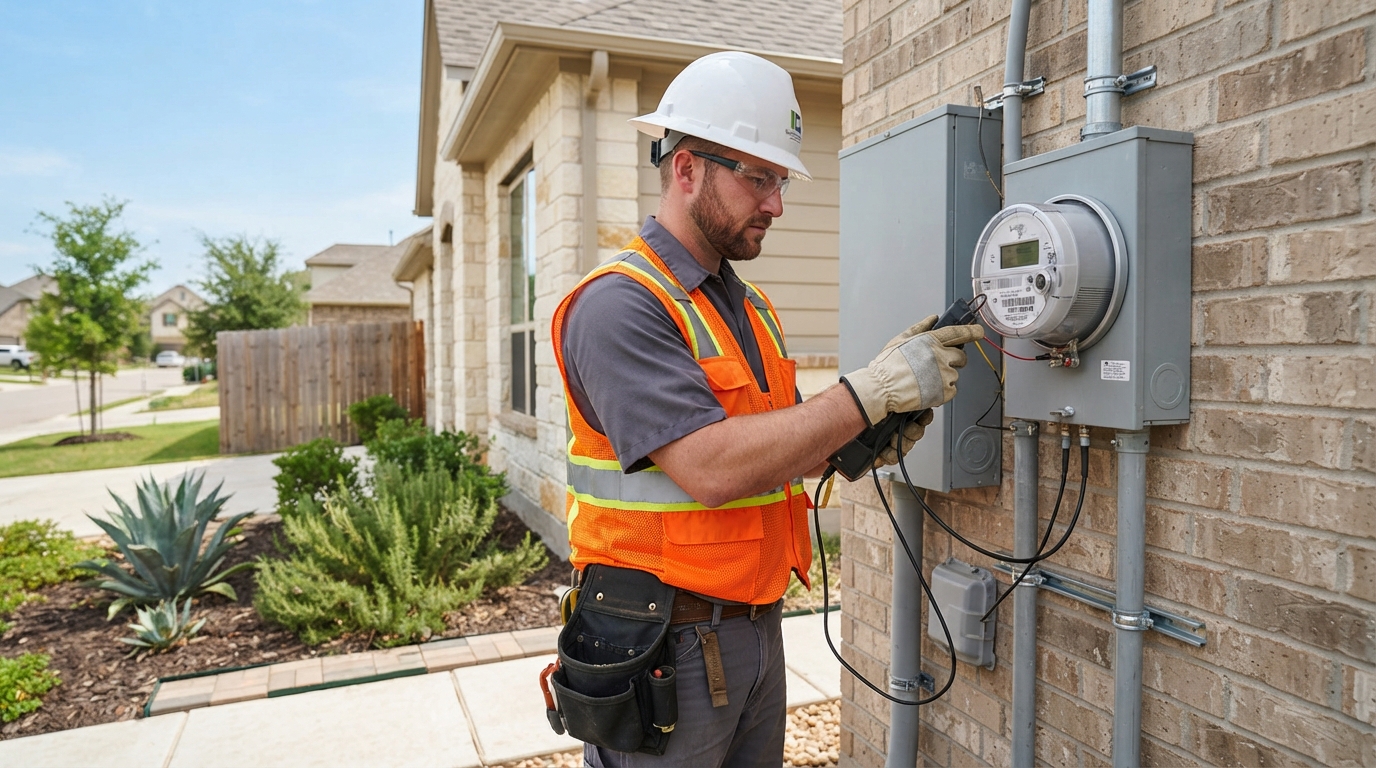
On the other hand, your TDSP is the utility company that physically delivers that electricity to your home. They own and maintain the poles, wires, transformers, and smart meters. No matter which REP you choose, your local TDSP remains the same based on your physical location.
The Geography of the Texas Grid: The Six Major TDSPs
The Texas deregulated energy landscape is divided into distinct geographic territories, each managed by one of six major utility companies. Here is how the physical grid is distributed across the state:
- Oncor: The largest TDSP in Texas, serving millions of customers across the metroplex. For residents looking for reliable electricity dallas options, Oncor is the utility responsible for maintaining the grid infrastructure.
- CenterPoint Energy: Managing the transmission system for the Houston metropolitan area. Those shopping for electricity Houston will have CenterPoint as their local utility.
- AEP Texas Central: Covering a vast portion of southern Texas, including cities like Corpus Christi, Laredo, and McAllen.
- AEP Texas North: Servicing the northern and western regions of the state, including Abilene and San Angelo.
- Texas New-Mexico Power (TNMP): Operating in various pockets across Texas, including areas north of Houston, portions of west Texas, and areas south of Dallas.
- Lubbock Power & Light (LP& Light): The newest addition to the competitive ERCOT market, having officially transitioned its customers into the deregulated landscape to offer West Texans the freedom of choice.
How Fixed-Term Plans Operate Within Regional Boundaries
When you select a plan like APG&E’s SimpleSaver 12, you are establishing a fixed supply agreement for 12 months. While APG&E secures your energy supply, your local TDSP charges a regulated fee for delivering that power. These delivery charges are fully regulated by the Public Utility Commission of Texas (PUCT) and are passed through directly to your bill without any markup from your REP.
This structure applies whether you are looking at residential plans, specialized business electricity plans, or even a prepaid electric service. While you can use the state’s power to choose portal to compare supply rates, the TDSP delivery charges will remain identical for every provider within that specific utility zone.
How ElectricityOne Simplifies Your Energy Shopping
At ElectricityOne, we believe that finding the right energy plan should be straightforward and transparent. We leverage our extensive industry relationships to help you find the perfect match for your home or business.
- Over 20 years of dedicated experience guiding Texas residents and businesses through the complex deregulated market.
- A meticulous provider selection process that partners only with top-tier REPs, such as APG&E, ensuring long-term satisfaction.
- Complete transparency with no hidden fees, helping you understand how both supply rates and TDU pass-through charges affect your monthly statement.
- A prominent platform that connects you with the finest energy plans tailored to your specific utility delivery area.
Conclusion: Take Control of Your Texas Energy Bill
Understanding the clear distinction between your retail provider and your utility company is the first step toward mastering your energy bill. While your TDSP ensures the physical delivery of power and handles emergency situations like outages, your choice of REP determines the rate structure you pay for your monthly consumption.
Ready to find the best energy plan for your specific utility delivery area? Call 1.844.567.2863 today to speak with our Texas energy experts.
Frequently Asked Questions
Can I choose my own Transmission and Distribution Service Provider (TDSP)?
No. Your TDSP is determined entirely by your physical geographic location. While you can choose your Retail Electric Provider (REP) to secure different supply rates, the physical infrastructure in your area is maintained by the single designated utility company for that region.
Why do my TDSP delivery charges change from month to month?
TDSP charges consist of a fixed monthly utility fee and a volumetric charge based on your total kilowatt-hour usage. Therefore, even though the rates are regulated and fixed by the PUCT, the total delivery amount on your bill will fluctuate depending on how much electricity you consume each month.
Who do I call if my power goes out?
In the event of a power outage or downed power line, you must contact your local TDSP (such as Oncor, CenterPoint, or AEP) directly, rather than your retail provider like APG&E. Your TDSP owns and maintains the physical grid equipment and is responsible for dispatching crews to restore power safely.