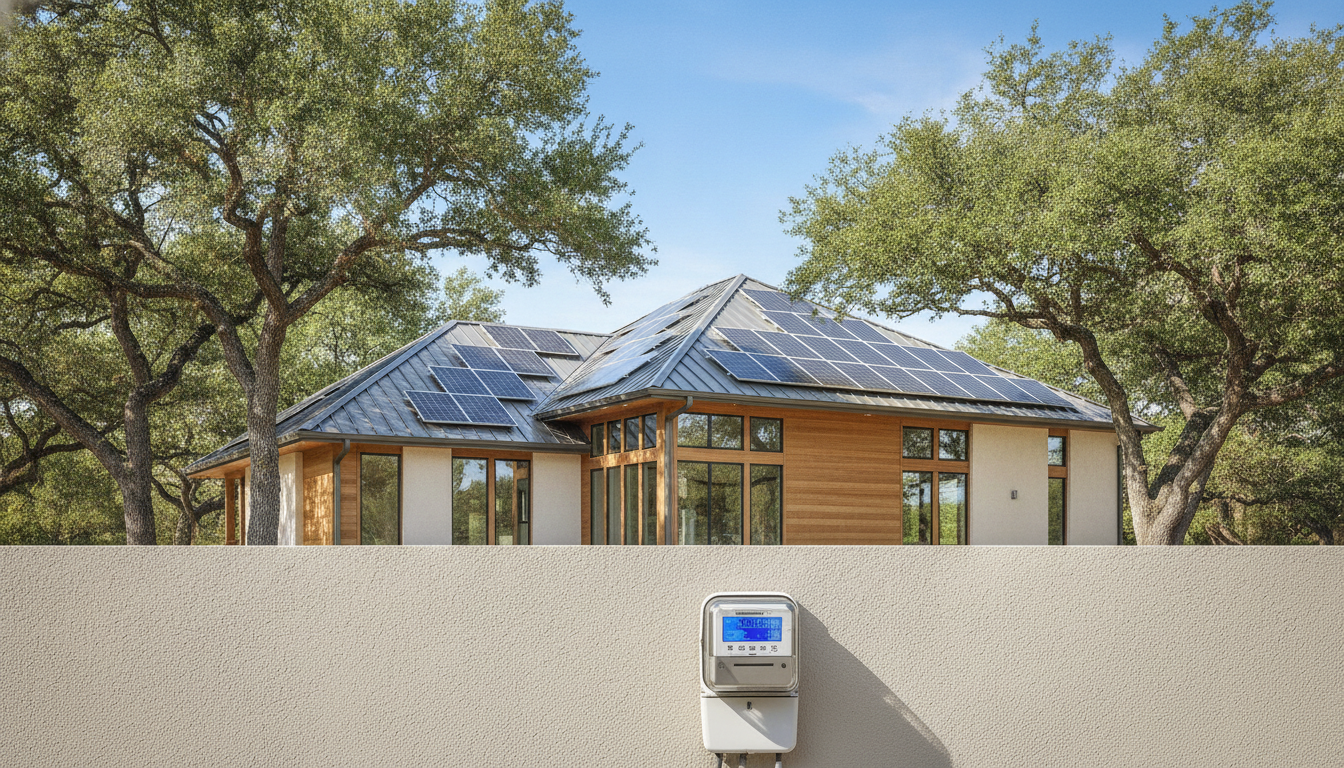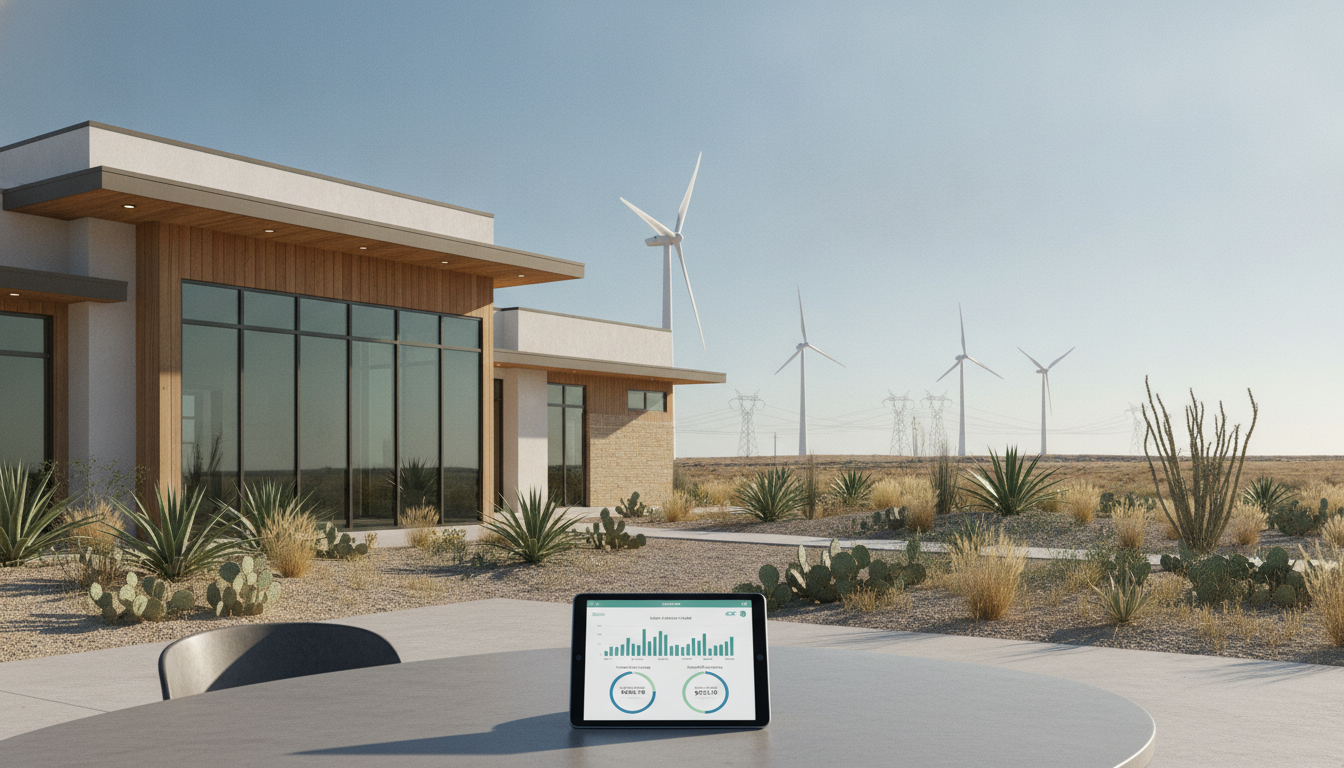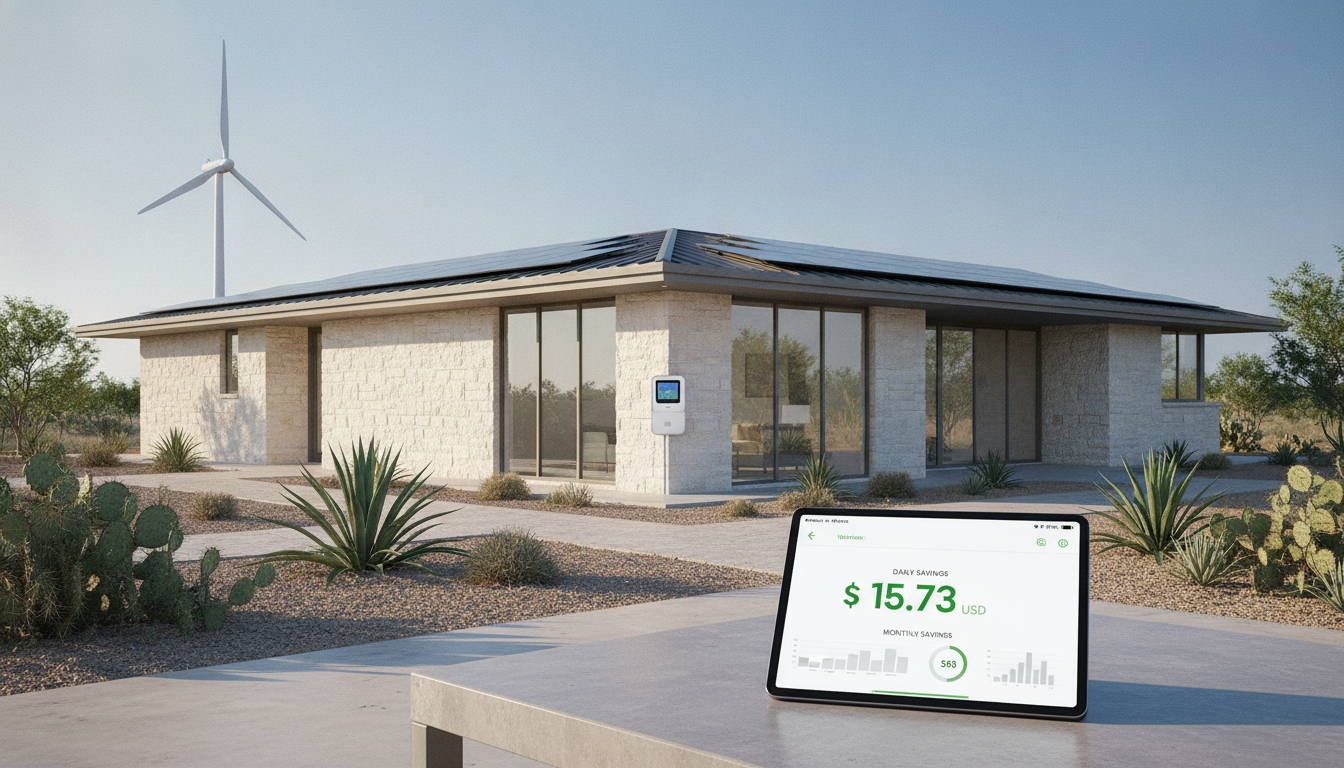
West and Central Texas residents living in cities like Abilene, San Angelo, Alpine, and Vernon often look at their monthly electric bills with confusion. While they might have carefully selected a competitive energy plan, a significant portion of their monthly statement is dedicated to charges they did not directly shop for. These are the Transmission and Distribution Utility (TDU) fees, and understanding how aep texas north delivery charges impact your overall bill is the first step to taking control of your energy budget. Spanning a massive 53,000 square mile region, AEP Texas North is the utility responsible for maintaining the physical power lines, poles, and meters that keep your lights on, regardless of which company bills you.
The Difference Between Your Retail Electric Provider and AEP North
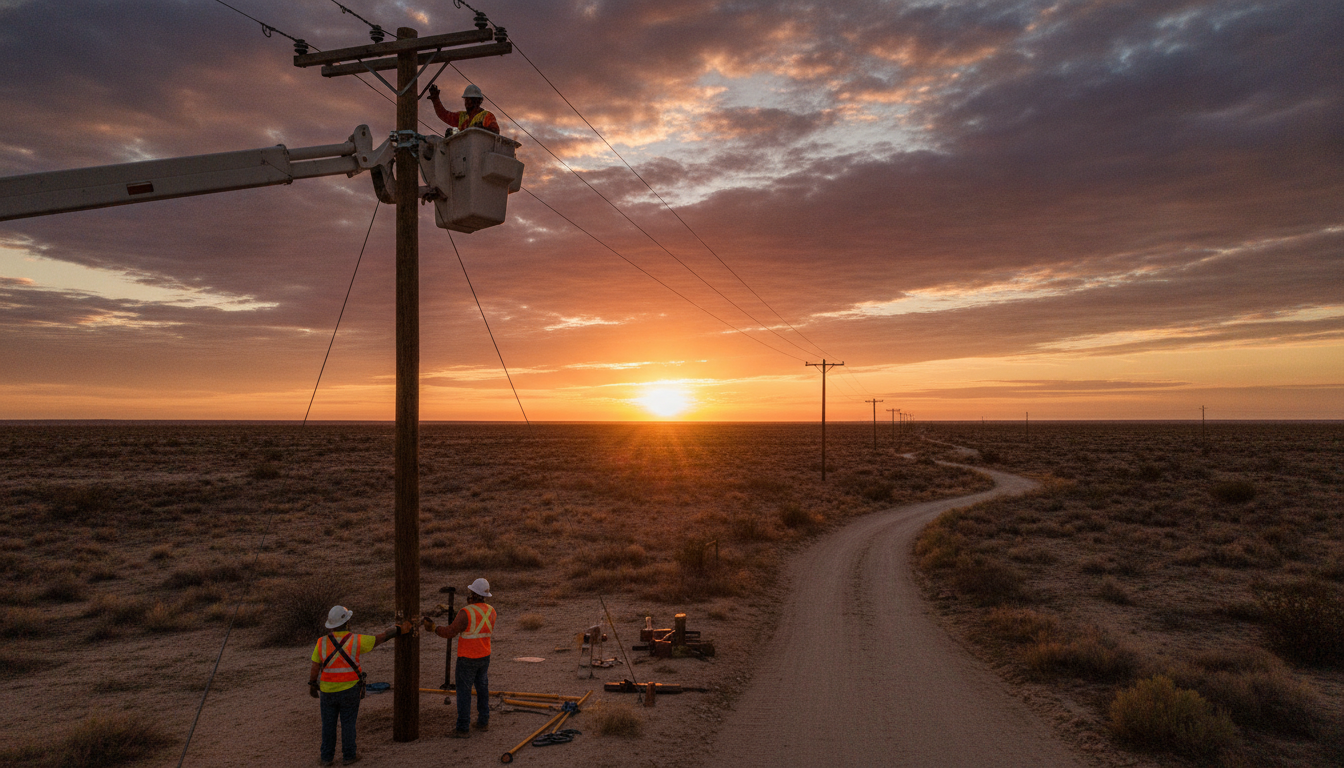
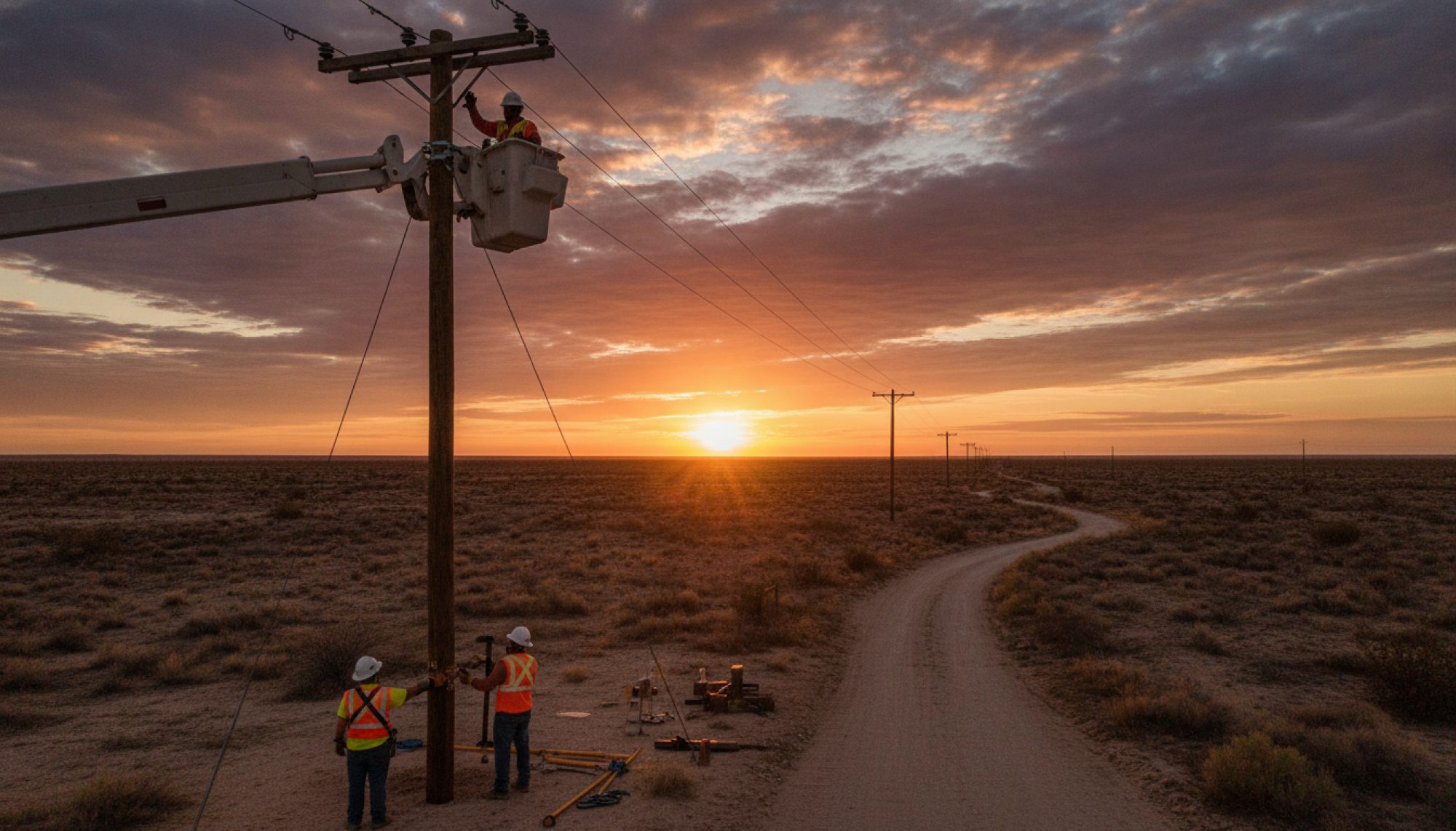
To understand your electric bill, you must first distinguish between your Retail Electric Provider (REP) and AEP North. In the deregulated Texas energy market, your REP is the company that sells you electricity, manages your account, and sends your monthly bill. You can shop around and compare these providers on platforms like the power to choose website. On the other hand, AEP North is your Transmission and Distribution Service Provider (TDSP). They do not sell electricity; instead, they physically deliver it to your home or business, maintain the grid infrastructure, and repair downed power lines after a storm.
What Are AEP Texas North Delivery Charges?
AEP Texas North delivery charges are the fees collected by the utility to cover the costs of building, maintaining, and operating the electrical grid across West and Central Texas. Because AEP North operates a regulated monopoly for delivery services in its territory, these charges are approved by the Public Utility Commission of Texas (PUCT) and are exactly the same no matter which Retail Electric Provider you choose. They are passed through directly to the consumer without any markup from your REP.
The Fixed Monthly Utility Fee
This is a flat monthly fee charged per connection. It covers the administrative costs of maintaining your account, reading your meter, and maintaining the physical connection to the local power grid. It does not fluctuate based on how much energy you consume.
The Volumetric Delivery Charge
This charge is calculated based on your actual electricity usage. It is assessed as a cost per kilowatt-hour. The more electricity you use during a billing cycle, the higher this portion of your delivery charge will be. This fee funds the ongoing maintenance of high-voltage transmission lines and local distribution systems.
Why These Charges Appear on Your Bill
No matter where you live in Texas or how you buy your power, utility delivery charges are a standard part of the energy landscape. Whether you are shopping for prepaid electric service for a residential home, setting up business electricity plans for a commercial enterprise, or comparing rates in other parts of the state like electricity Houston or electricity dallas, TDU delivery charges are non-negotiable and standard across all providers in that specific service territory. They ensure the safety, reliability, and stability of the local grid.
How ElectricityOne Simplifies Your West Texas Energy Shopping
Navigating the complex world of utility fees and retail electric plans can feel overwhelming. That is where ElectricityOne comes in. As a prominent platform connecting West and Central Texas residents with the finest Retail Electric Providers operating within the AEP North utility zone, we make finding the right energy plan simple and transparent.
- 20+ Years of Experience: Over two decades of providing reliable, quick, and courteous electric service for Texas homes and businesses.
- Meticulous Provider Selection: We partner only with reputable REPs that offer substantial cost savings and long-term satisfaction.
- No Hidden Surprises: We ensure transparent disclosure of all costs and fees, including AEP North pass-through charges, so you know exactly what to expect on your bill.
Navigating Your Energy Bill and Power Emergencies
Understanding the role of AEP North helps you read your bill better and ensures you know who to contact when the lights go out. Because your REP only handles billing and enrollment, calling them during a blackout will not get your power restored any faster. In the event of a local power outage, a flickering grid, or a downed power line emergency, you must contact AEP North directly, as they own and service the physical infrastructure in your area.
Ready to find the best energy plan for your AEP North delivery area? Call 1.844.567.2863 today to speak with our Texas energy experts.
Frequently Asked Questions
What are AEP Texas North delivery charges?
These are PUCT-regulated fees charged by AEP North to cover the cost of maintaining the physical electricity grid, poles, wires, and meters in West and Central Texas. They are passed through to your bill without any markup from your retail provider.
Can I avoid paying AEP North delivery charges by switching providers?
No. Because AEP North is the sole utility company physically delivering electricity to your specific geographic area, these delivery charges are standard and mandatory for all residents and businesses in the territory, regardless of which Retail Electric Provider they choose.
Who do I call if my power goes out in West Texas?
You should contact AEP North directly to report outages or downed power lines. Your Retail Electric Provider handles only billing and retail energy supply, while AEP North is responsible for restoring physical power to your home or business.