Living in the vast, beautiful expanse of West and Central Texas means enjoying wide-open skies, rich local history, and a unique deregulated energy market. Whether you reside in the bustling streets of Abilene, the scenic riverfront of San Angelo, the rugged landscapes of Alpine, or the historic hub of Vernon, your electricity travels a long way to reach your home. While you have the freedom to choose your Retail Electric Provider (REP), you might have noticed a recurring set of fees on your monthly statement. Understanding aep texas north delivery charges is the key to unlocking complete transparency on your utility bill and making smarter energy decisions.
What is AEP Texas North and What Do They Do?
To understand your electric bill, it is essential to distinguish between your Retail Electric Provider (REP) and your Transmission and Distribution Service Provider (TDSP)—also known as your utility. AEP Texas North is the TDSP responsible for a massive 53,000 square mile region across West and Central Texas.
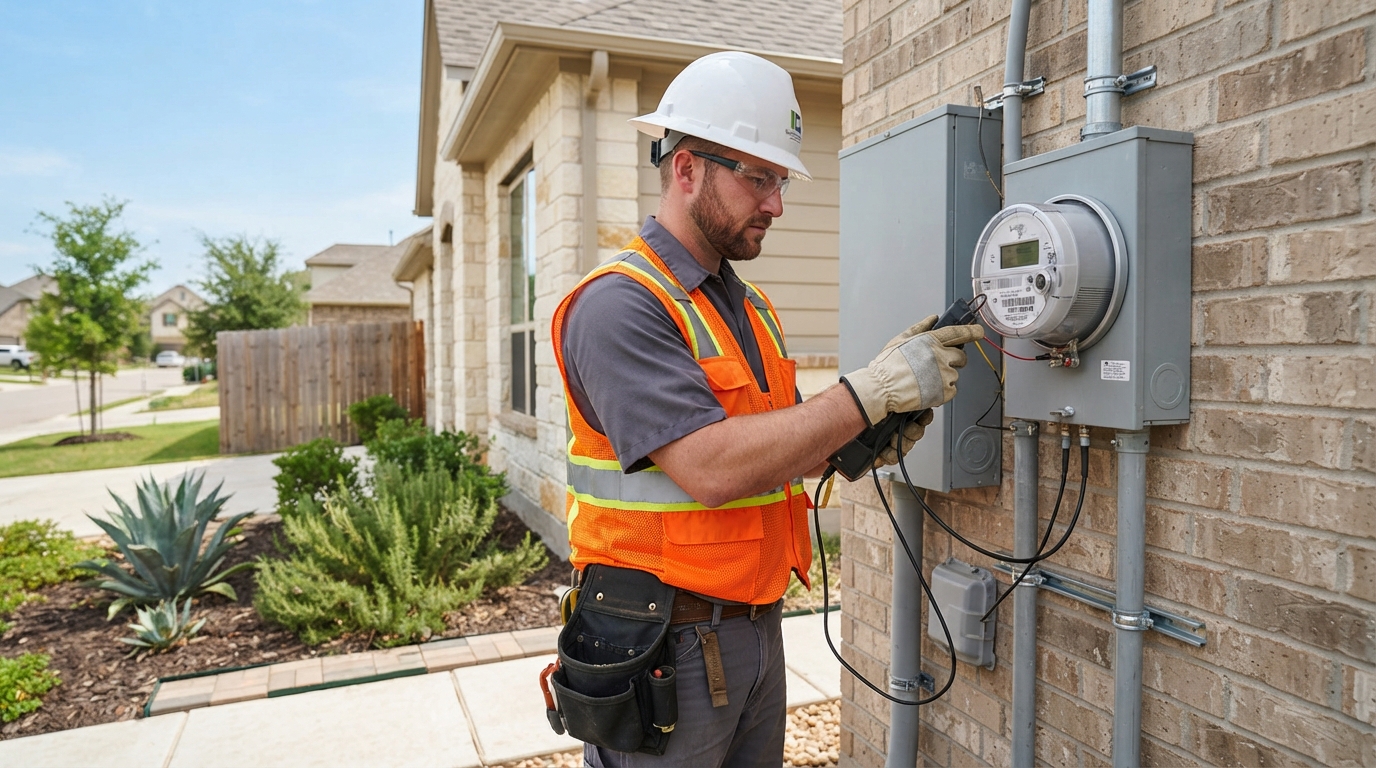
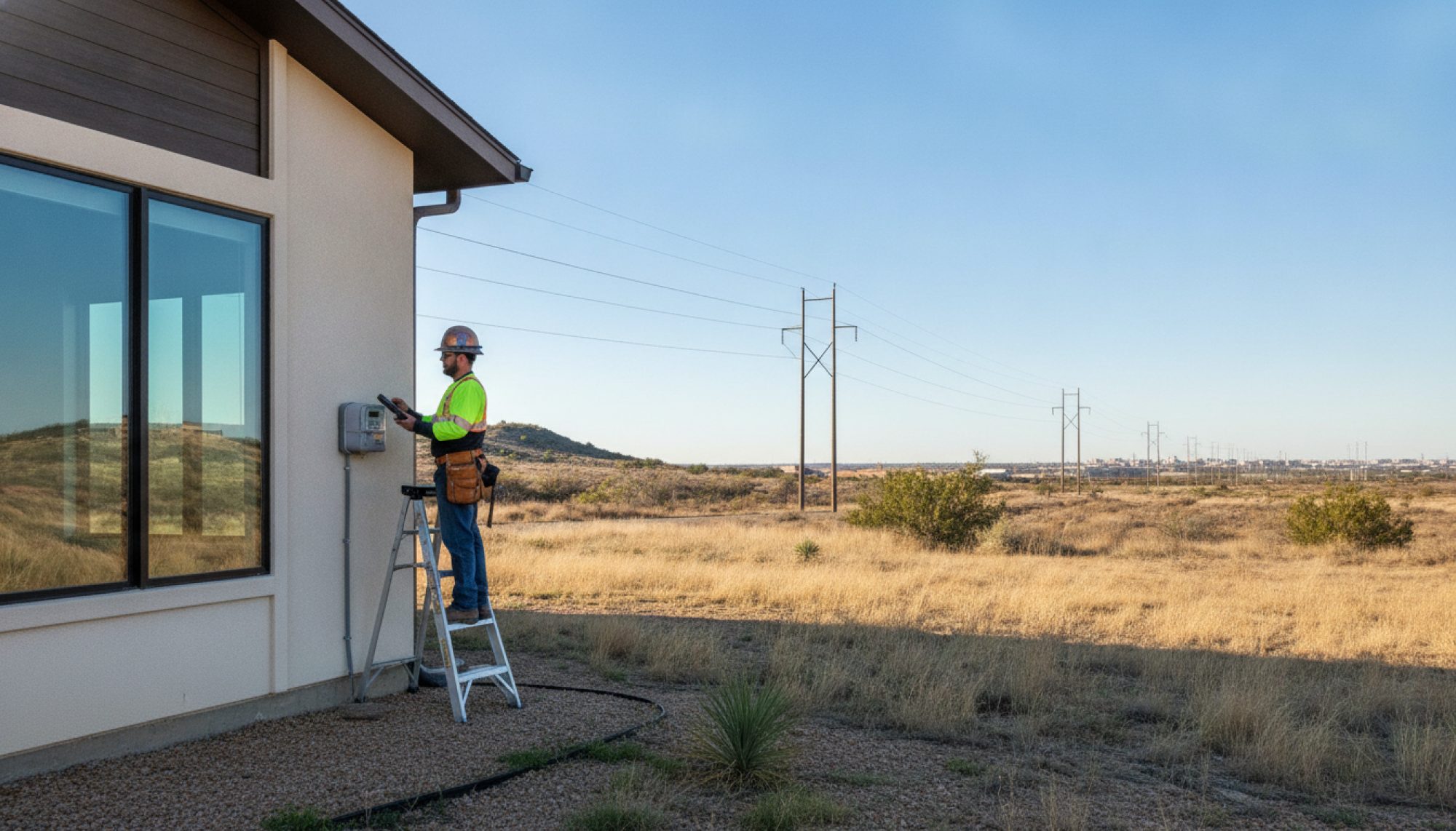
While your REP handles marketing, billing, and customer service, AEP Texas North owns, maintains, and repairs the physical infrastructure. This includes the high-voltage transmission lines, local distribution poles, transformers, and smart meters that deliver electricity to your doorstep. Because they maintain the physical grid, their operational costs are passed along to every consumer in their territory, regardless of which REP you choose.
Understanding the Components of Your Utility Bill
While residents looking for electricity Houston or those shopping for electricity dallas deal with different TDSPs (like CenterPoint or Oncor), West Texas residents rely on AEP North. Whether you are looking for residential options, prepaid electric service, or business electricity plans, these delivery charges remain a constant, pass-through cost set by the state. When you compare plans on public platforms like the power to choose or direct-to-consumer portals, these charges are always factored in as pass-through fees. They are strictly regulated by the Public Utility Commission of Texas (PUCT) and are broken down into two primary structures:
The Fixed Monthly Utility Fee
This is a flat charge applied to your account during each billing cycle. It covers the basic administrative costs of maintaining your connection to the grid, reading your meter, and managing customer account data. This fee remains identical every month, regardless of whether you used a lot of power or were away on vacation.
The Volumetric Transmission and Distribution Charge
This portion of your delivery fee is variable and scales directly with your energy consumption. It is calculated as a cost per kilowatt-hour (kWh). The more electricity your household or business consumes, the higher this portion of the delivery charge will be. This fee funds the ongoing maintenance, emergency storm repairs, and physical upgrades required to keep the massive West Texas grid operating safely.
How ElectricityOne Simplifies the West Texas Energy Market
Navigating the deregulated Texas energy landscape can feel overwhelming, but you do not have to do it alone. ElectricityOne serves as a prominent platform connecting West and Central Texas residents with the finest Retail Electric Providers operating within the AEP North utility zone. We simplify your shopping experience through a meticulous provider selection process that prioritizes your peace of mind.
- Over 20 years of experience providing reliable, quick, and courteous electric service for Texas homes and businesses.
- A meticulous provider selection process ensuring partnerships only with REPs that offer substantial cost savings and long-term satisfaction.
- Transparent disclosure of all costs, making sure you understand exactly how AEP North pass-through charges affect your monthly bottom line.
- No hidden surprises, allowing you to compare plans with absolute confidence and clarity.
Knowing Who to Call: REP vs. TDSP in an Emergency
Understanding the division of labor between your REP and AEP Texas North is particularly critical during an emergency. If you experience a sudden power outage, spot a downed power line, or notice a damaged transformer in your neighborhood, do not call your retail provider. Because your REP only handles the retail billing side, they cannot dispatch repair crews.
Instead, you must contact AEP Texas North directly to report the issue. Their specialized crews work around the clock across West and Central Texas to restore power safely and efficiently. Keeping their emergency contact number handy ensures you get the fastest possible response when the lights go out.
Ready to find the best energy plan for your AEP North delivery area? Call 1.844.567.2863 today to speak with our Texas energy experts.
Frequently Asked Questions
Why do I have AEP Texas North delivery charges on my bill if I use a different retail provider?
AEP Texas North owns and maintains the physical poles, wires, and meters in your area. Regardless of which company sells you your electricity, AEP North is the utility that physically delivers it to your property, and their PUCT-regulated delivery charges are passed through to cover grid maintenance.
Do these delivery charges change depending on which retail electric provider I choose?
No. Delivery charges are strictly regulated and approved by the Public Utility Commission of Texas (PUCT). They are identical for every residential customer within the AEP Texas North service territory, no matter which retail provider you choose for your electricity plan.
How can I lower the delivery portion of my monthly electric bill?
While you cannot change the fixed monthly utility fee, you can lower the volumetric portion of your delivery charges by reducing your overall energy consumption. Because a portion of the charge is calculated per kilowatt-hour, practicing energy efficiency directly reduces this fee.