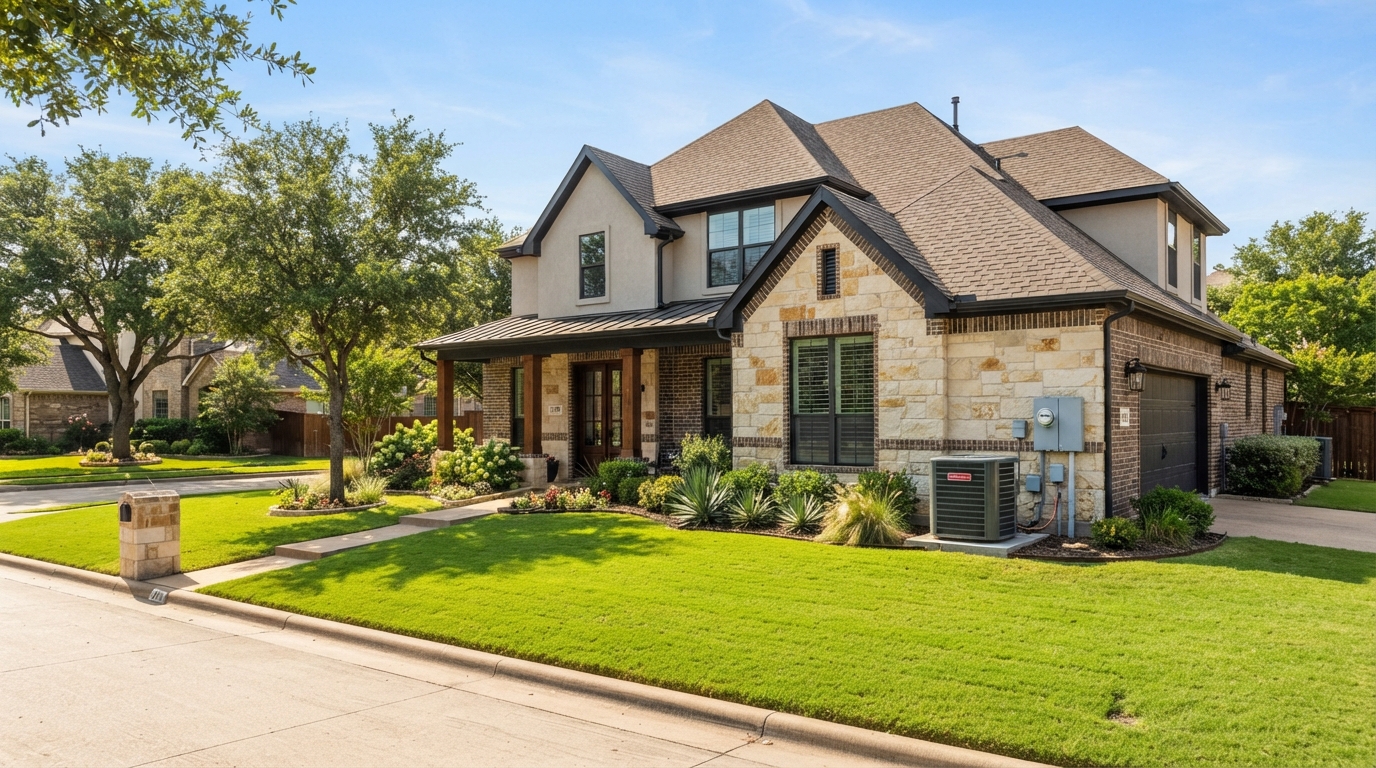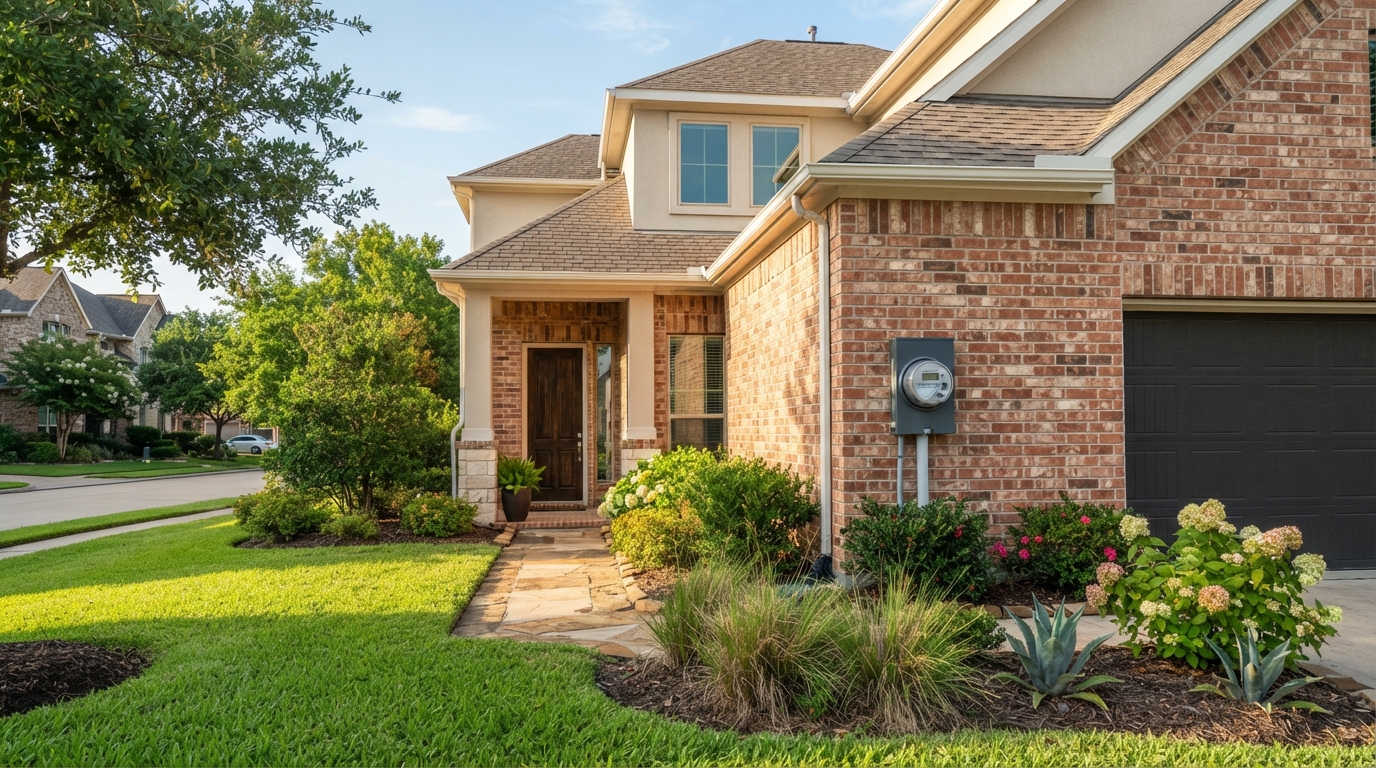
For residents living across the vast 53,000 square miles of West and Central Texas, understanding how electricity gets to your home can feel as wide and complex as the Texas sky itself. Whether you live in the bustling hub of Abilene, the scenic river city of San Angelo, the high-desert community of Alpine, or the historic plains of Vernon, you participate in the deregulated Texas energy market. However, many homeowners and business owners remain confused about why they receive bills from one company while another company’s trucks are out fixing the power lines. Knowing the distinct roles of your Retail Electric Provider (REP) and your utility company is the first step toward taking control of your energy expenses.
Understanding the Roles: Retail Electric Providers vs. AEP North
In the deregulated areas of Texas, the energy market is split into two primary entities: the company that sells you electricity and the company that physically delivers it to your property.
What is a Retail Electric Provider (REP)?
Your Retail Electric Provider is the company you choose to buy your electricity from. They handle your energy plan, set your cost per kilowatt hour, send your monthly bill, and manage your customer service account. When you want to switch plans or have a question about your billing statements, you contact your REP.
What is AEP North?
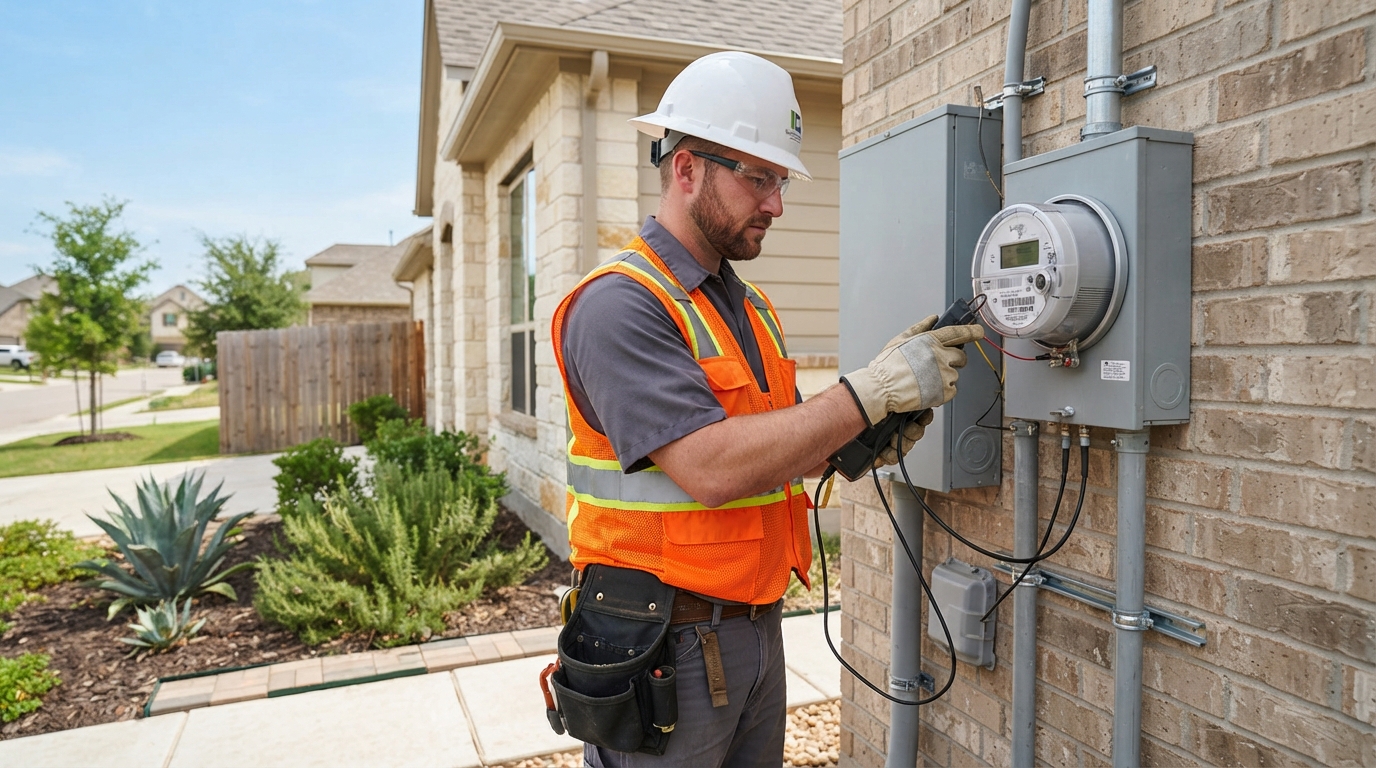
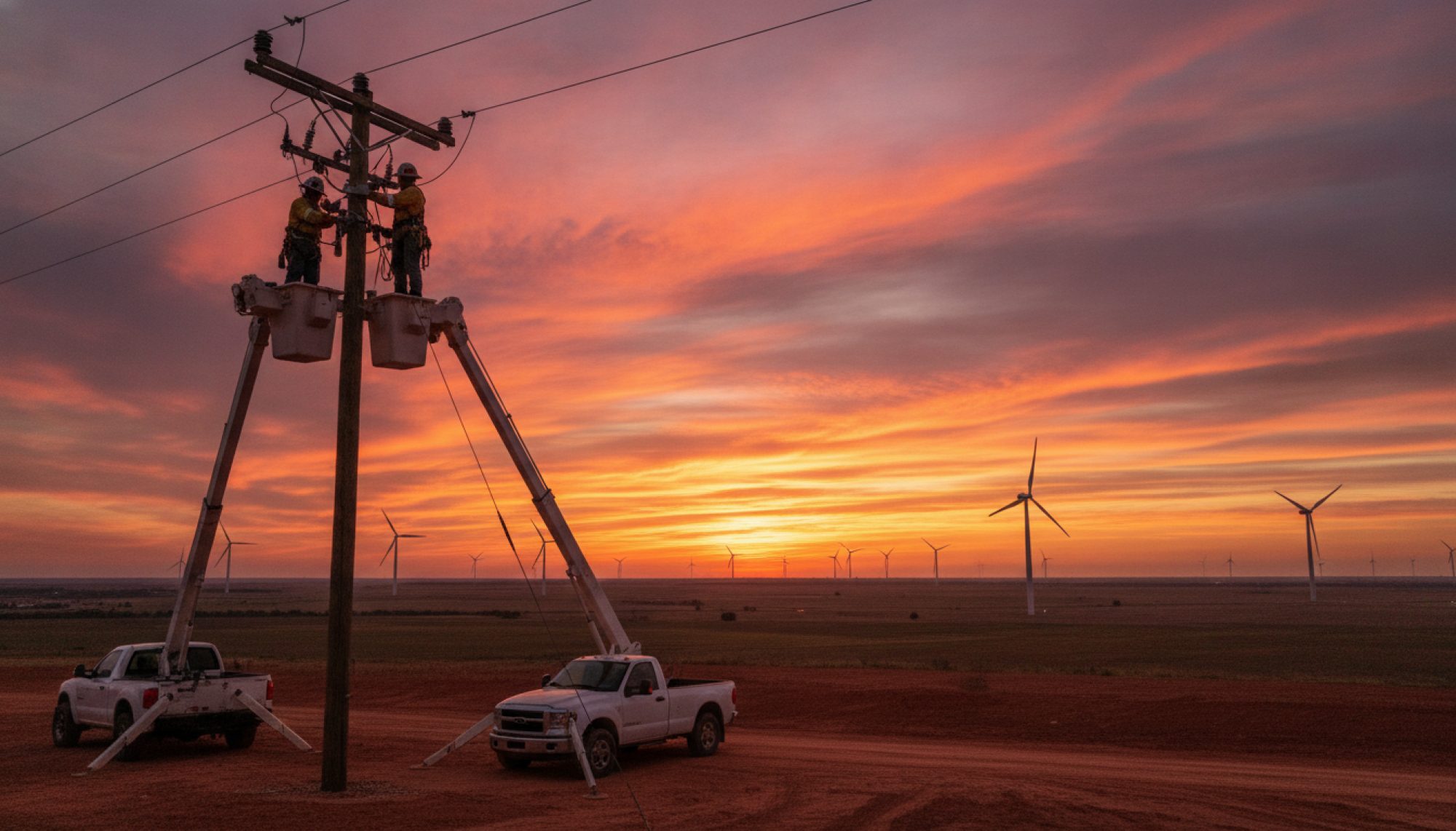
AEP Texas North is your Transmission and Distribution Service Provider (TDSP), often referred to simply as the utility. Unlike your REP, you do not choose your utility; it is determined by your geographic location. AEP North is responsible for maintaining the physical electrical infrastructure across West and Central Texas. This includes poles, wires, substations, and smart meters. No matter which REP you choose to buy your power from, AEP North is the company that actually delivers that power to your home.
What Are Those Extra Fees on Your Bill?
When you open your monthly electric bill, you will notice a section dedicated to utility fees. These are not arbitrary charges added by your retail provider; rather, they are mandatory pass-through fees determined by the Public Utility Commission of Texas (PUCT). Understanding how aep texas north delivery charges impact your monthly statement is key to managing your energy budget.
These charges cover the cost of building, maintaining, and operating the physical power grid in your area. They typically consist of two parts:
- Fixed Monthly Utility Fee: A flat charge assessed per billing cycle, regardless of how much energy you consume.
- Volumetric Distribution Charge: A charge assessed on a cost per kilowatt hour basis, meaning this portion of the fee scales up or down depending on your monthly energy usage.
Because these are regulated distribution charges, they remain exactly the same no matter which Retail Electric Provider you choose. Your REP simply collects these fees from you and passes them directly to AEP North.
Navigating the Deregulated Market in West and Central Texas
Because you have the power to choose your retail provider, shopping the market is the best way to ensure you are getting a competitive rate. However, with dozens of REPs operating in the AEP North territory, finding the right plan can be overwhelming. That is where ElectricityOne steps in to simplify the process.
With over 20 years of experience providing reliable, quick, and courteous electric service for Texas homes and businesses, ElectricityOne serves as a prominent platform connecting West and Central Texas residents with the finest REPs operating within the AEP North utility zone. Here is how we make shopping easier:
- Meticulous Provider Selection: We partner only with reputable Retail Electric Providers that meet our high standards for financial stability and customer care.
- Transparent Cost Disclosures: We ensure all plans clearly outline all costs, including the pass-through utility charges, so you never experience surprise fees.
- Focus on Savings: We help you compare plans to find substantial cost savings tailored to your specific household footprint.
- Long-Term Satisfaction: Our goal is to connect you with stable, reliable plans that offer peace of mind for years to come.
Empowering Your Energy Decisions
Understanding the difference between your provider and your utility does more than just help you read your bill—it also ensures you know who to contact in different situations. If you have questions about your rate, your payment, or your contract, you should contact your REP. However, if you experience a local power outage, see a downed power line, or notice a damaged utility pole, you must bypass your REP and contact AEP North directly, as they are the only entity authorized to service the physical grid infrastructure.
By partnering with a trusted platform like ElectricityOne, you can secure a great rate from a premier retail provider while enjoying the reliable grid delivery services of AEP North.
Ready to find the best energy plan for your AEP North delivery area? Call 1.844.567.2863 today to speak with our Texas energy experts.
Frequently Asked Questions
Can I choose a utility company other than AEP North in West Texas?
No. While you have the freedom to choose your Retail Electric Provider (REP) for billing and rates, your utility company (TDSP) is determined by geographic location. AEP North is the sole regulated utility responsible for delivering electricity and maintaining the grid infrastructure in this specific region of West and Central Texas.
Why do my delivery charges change from month to month?
Your delivery charges consist of both a fixed monthly utility fee and a volumetric charge based on your energy consumption. While the fixed fee remains constant, the volumetric charge is calculated on a cost per kilowatt hour basis, meaning it will increase during months of high energy usage and decrease when you use less electricity.
Who do I call if my power goes out in Abilene or San Angelo?
In the event of a power outage or physical emergency like a downed power line, you must contact AEP North directly. Your Retail Electric Provider only handles billing and retail accounts; they do not own or service the physical poles, wires, and meters that deliver your power.