
Many Texans feel a wave of confusion when they look out their window during a storm. They might have spent hours comparing plans to secure a stable rate with a premier provider, yet when a tree branch knocks out the power, it is an Oncor or CenterPoint truck that rolls down the street to fix it. Why isn’t your retail provider out there climbing the utility poles? The answer lies in the unique structure of the deregulated Texas energy market, which splits the responsibility of selling electricity from the physical delivery of it.
To navigate your monthly electricity bills and make informed decisions for your home or business, it is essential to understand this division. Let’s explore what is a transmission and distribution service provider (TDSP) and how these entities work alongside retail electric providers (REPs) like Frontier Utilities to keep your lights on.
The Core Distinction: Retail Provider vs. Utility Company
In the Lone Star State’s deregulated market, two distinct entities handle your electricity: your Retail Electric Provider and your Transmission and Distribution Service Provider (also known as a TDSP or TDU). Understanding the difference is key to managing your service and your budget.
Your Retail Electric Provider (REP)
Your REP is the company you choose to buy your electricity from. They manage your account, issue your monthly bills, and handle customer service. When you shop for energy plans, you are comparing REPs. A premier example of a Texas REP is Frontier Utilities, a provider renowned for offering long-term rate stability. By choosing a plan like the Frontier Saver Premier 24, you secure your energy supply rate for a full 24 months, protecting your household from market volatility.
Your Transmission and Distribution Service Provider (TDSP)
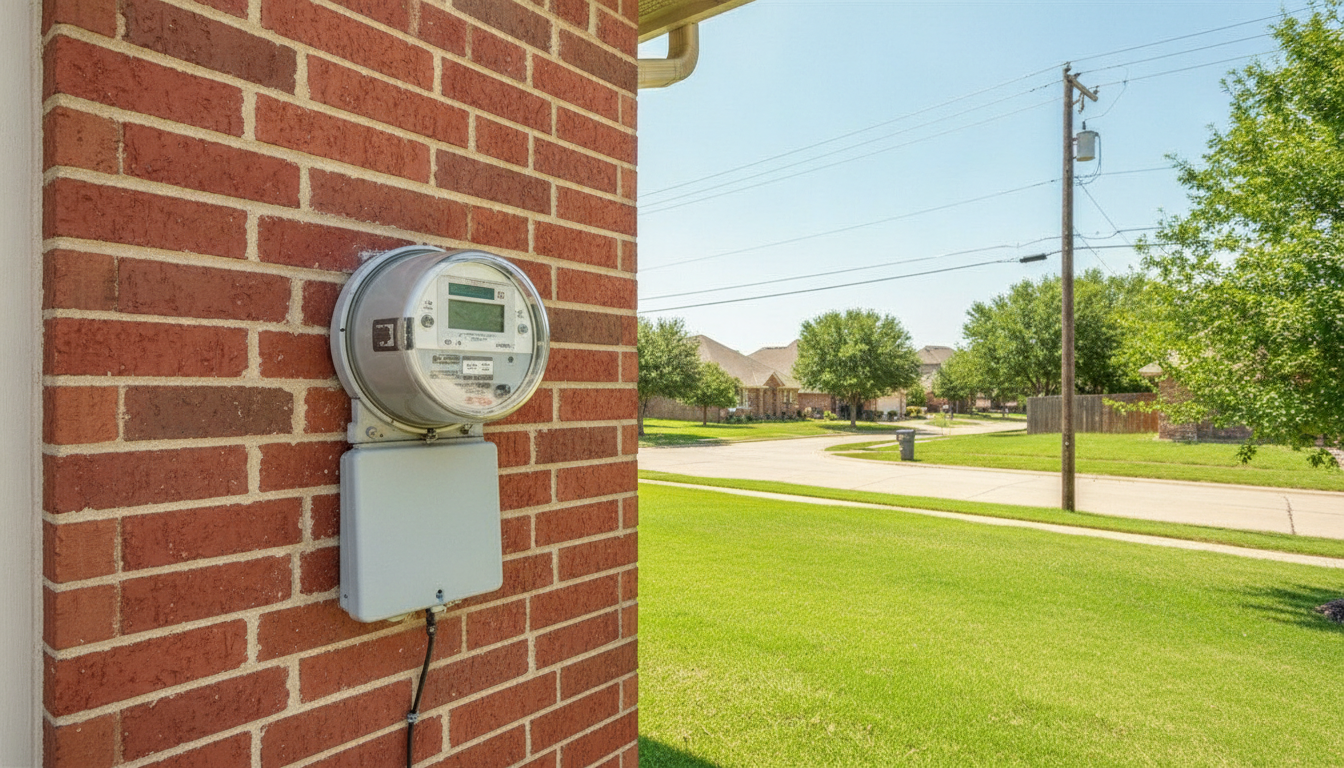
While Frontier Utilities secures your energy supply rate, they do not own the physical infrastructure. That is the job of your TDSP. Your utility company owns and maintains the power lines, poles, transformers, and smart meters. They are responsible for physically delivering the electricity to your home, reading your meter, and restoring power during emergencies. You do not get to choose your TDSP; they are determined solely by your geographic location.
The Six Major Texas TDSPs and Their Territories
The Texas power grid, managed by ERCOT, is divided into specific utility service territories. Depending on where you live, one of these six major companies maintains your local grid infrastructure:
- Oncor Electric Delivery: The largest TDSP in Texas, serving millions of customers across the metroplex, making it the primary utility for those looking up rates for electricity dallas homes require.
- CenterPoint Energy: Maintains the wires and poles for the Houston metropolitan area, ensuring reliable delivery for residents shopping for electricity Houston households depend on.
- AEP Texas Central & AEP Texas North: Serves southern and western parts of the state, including cities like Corpus Christi, Abilene, and McAllen.
- Texas New-Mexico Power (TNMP): Covers various pockets of Texas, including areas northeast and gulf coast regions.
- Lubbock Power & Light (LP&L): The newest addition to the competitive market, having successfully transitioned its customers into the deregulated ERCOT grid.
How ElectricityOne Simplifies the Shopping Process
Finding the right energy plan across these diverse utility zones does not have to be complicated. At ElectricityOne, we leverage over 20 years of experience providing reliable, quick, and courteous electric service for Texas homes and businesses. We act as a prominent platform that connects residents and businesses with the finest REPs in the state—like Frontier Utilities—while educating them on the role of their local utility.
Our meticulous provider selection process ensures we only partner with REPs that offer:
- Substantial cost savings on your energy supply.
- Transparent disclosure of all costs and fees, including regulated TDU pass-through charges.
- Long-term satisfaction and rate stability.
- Flexible options, whether you need commercial coverage through business electricity plans or flexible payment options like prepaid electric service.
Instead of getting overwhelmed by options on the state’s cluttered power to choose website, ElectricityOne streamlines your comparison shopping to show you only vetted, high-quality plans tailored to your specific utility delivery area.
How TDSP Charges Impact Your Monthly Bill
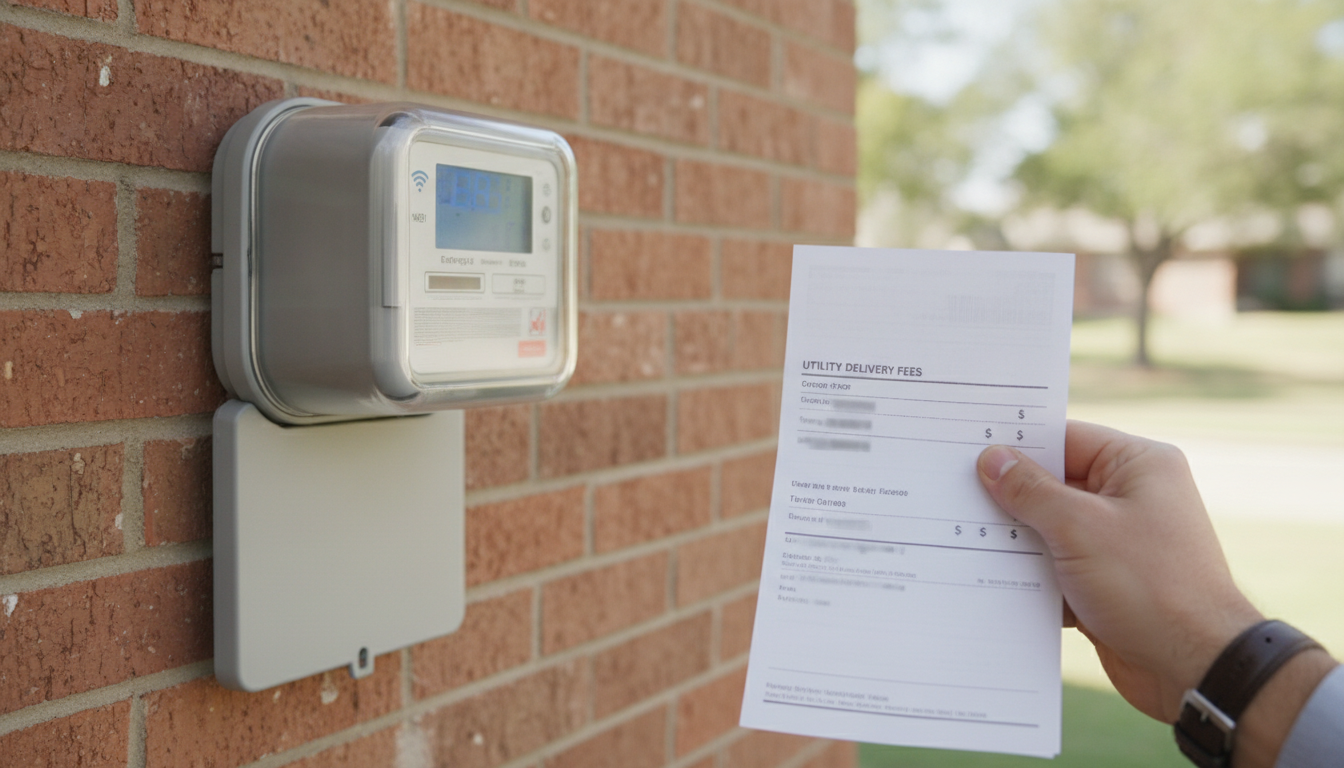
Even when you lock in a stable, long-term rate with Frontier Utilities, you will still see TDSP charges on your monthly statement. These are pass-through fees regulated by the Public Utility Commission of Texas (PUCT). They cover the cost of maintaining the physical grid and are charged by the utility to the REP, which then passes them directly to you without any markup. Because these fees are set by the utility, they remain the same regardless of which retail provider you choose, appearing as a combination of a fixed monthly utility fee and a cost per kilowatt-hour.
Ready to find the best energy plan for your specific utility delivery area? Call 1.844.567.2863 today to speak with our Texas energy experts.
Frequently Asked Questions
### Who do I call if my power goes out?
In the event of a power outage or downed power line, you should contact your local TDSP (such as Oncor, CenterPoint, or AEP), not your retail provider. Your utility is the entity that owns and repairs the physical infrastructure.
### Can I choose my own utility company in Texas?
No. While you have the power to choose your Retail Electric Provider (REP), your utility company (TDSP) is determined by your physical geographic location and cannot be changed.
### Do TDSP charges stay the same if I have a fixed-rate plan?
No. While your energy supply rate from your REP remains locked under a fixed-rate plan, TDSP delivery charges are regulated by the PUCT and can be adjusted twice a year. These changes will reflect on your monthly statement as pass-through fees.