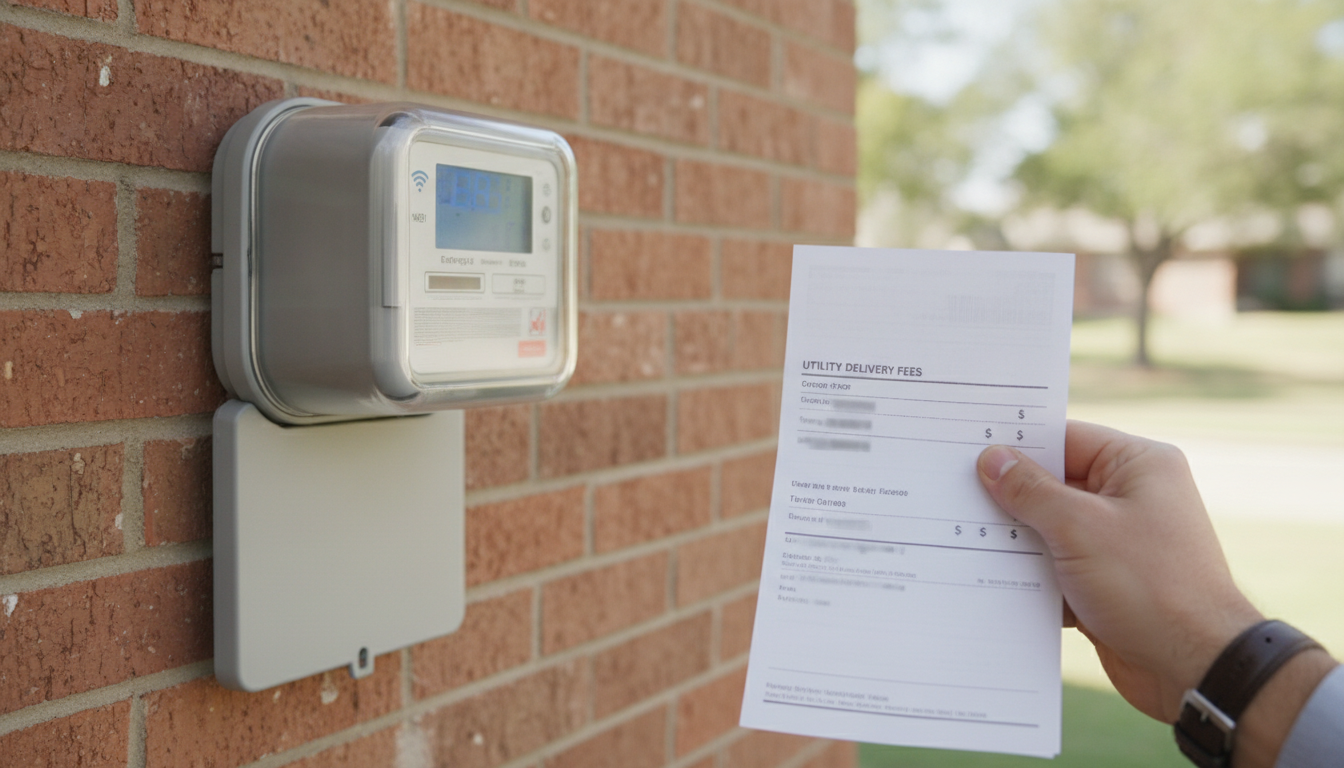

Every month, Texas homeowners and renters open their energy statements only to find a complex maze of line items, acronyms, and unexpected fees. If you have ever felt overwhelmed trying to decipher where your hard-earned money is actually going, you are not alone. In the deregulated Texas energy market, your bill is split into two primary components: the cost of the actual electricity you consume and the cost of delivering that electricity to your home. Gaining clarity on this distinction is the first step toward taking control of your energy budget. By mastering how these fees work, specifically by understanding tdu delivery charges on electric bill statements, you can accurately budget your monthly energy costs and avoid unexpected financial surprises.
Retail Electric Providers vs. Transmission and Distribution Utilities
To truly understand your energy statement, you must first recognize the two distinct entities that make your electricity service possible. In Texas, deregulation separates the company that sells you electricity from the company that physically delivers it.
- Retail Electric Providers (REPs): These are the companies you shop for and sign contracts with. Your REP purchases electricity from generators and sells it to you. They handle your billing, customer service, and plan options. Whether you are looking for traditional fixed-rate contracts, searching for competitive electricity Houston rates, or exploring flexible options, your REP is your retail point of contact.
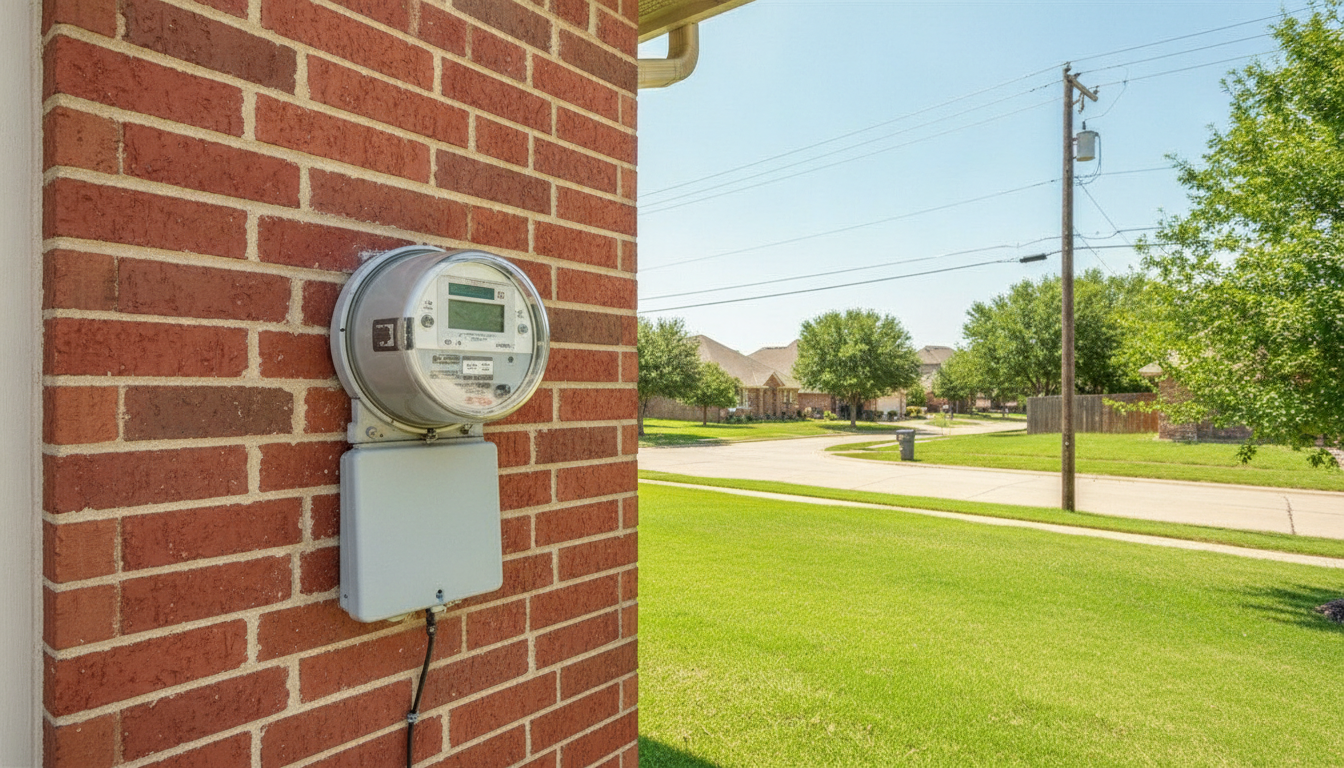
- Transmission and Distribution Utilities (TDUs): Also known as TDSPs (Transmission/Distribution Service Providers), these are the regional utilities responsible for maintaining the physical infrastructure—the poles, wires, transformers, and meters. Regardless of which retail provider you choose, your local TDU physically delivers the electricity to your home, responds to power outages, and reads your meter.
What Are TDU Delivery Charges?
TDU delivery charges are the state-regulated costs associated with transporting electricity from power plants, over high-voltage transmission lines, and through local distribution lines directly to your home or business. These fees are approved by the Public Utility Commission of Texas (PUCT) and are passed directly to the consumer without any markup from your retail provider.
Because these charges are set by the state regulatory body, they are non-negotiable. Whether you live in a high-rise apartment or are evaluating complex business electricity plans, you will pay the exact same TDU delivery charges as your neighbors, regardless of which retail electric provider you select.
The Regional TDU Landscape in Texas
Depending on where you live in Texas, your physical delivery services are managed by one of several major utility companies:
- Oncor Electric Delivery: Serving the Dallas-Fort Worth metroplex and surrounding areas. Homes powered by electricity dallas packages rely on Oncor for physical line maintenance.
- CenterPoint Energy: Serving the greater Houston metropolitan area and surrounding Gulf Coast communities.
- AEP Texas: Covering parts of Southern and Western Texas.
- Texas-New Mexico Power (TNMP): Serving various pockets across the state.
How Delivery Charges Differ from Supply Charges
Your monthly energy statement reflects a clear division of labor and cost:
- Supply Charges (REP Cost): This is the cost per kilowatt-hour for the actual energy you consume. It is determined by the contract you signed with your retail provider. This rate can be fixed, variable, or structured differently depending on whether you chose a standard plan or a specialized prepaid electric service.
- Delivery Charges (TDU Cost): These are broken down into a fixed monthly customer charge (a flat fee per billing cycle) and a variable distribution charge (calculated per kilowatt-hour). These charges pay for storm restoration, grid upgrades, and routine maintenance of the physical power lines.
Why Choose ElectricityOne?
Navigating the complex Texas energy market can be challenging, especially when trying to compare plans on the state’s power to choose platform. That is where ElectricityOne comes in. We simplify the shopping experience by connecting you with only the most reliable and transparent energy plans in the state.
Here is why Texas residents and businesses trust us:
- Over 20 Years of Experience: We have spent over two decades providing reliable, quick, and courteous electric service for Texas homes and businesses.
- Meticulous Provider Selection: We strictly vet our Retail Electric Provider partners to ensure they offer substantial cost savings, long-term satisfaction, and honest contract terms.
- Absolute Bill Clarity: We believe in complete transparency, helping you avoid hidden fees, confusing tiered rates, and billing surprises.
Protecting Yourself from Billing Surprises
By understanding that your bill is a combination of competitive retail energy supply costs and regulated utility delivery charges, you can shop with confidence. You will know exactly which portions of your bill you can lower by switching plans (your supply rate) and which portions remain fixed by state regulations (your TDU delivery charges). This knowledge acts as your shield against unexpected spikes and ensures you get the absolute best value for your energy dollar.
Ready to switch to a transparent plan with no billing surprises? Call 1.844.567.2863 today to speak with our Texas energy billing experts.
Frequently Asked Questions
Can I choose my TDU to lower my delivery charges?
No. Your TDU is determined solely by your physical geographic location. Because they own and maintain the physical wires in your area, you cannot change your utility company. However, you can change your Retail Electric Provider to secure a lower energy supply rate.
Do TDU delivery charges change throughout the year?
Yes. While regulated by the state, TDUs typically adjust their delivery rates twice a year (usually in the spring and fall) to account for infrastructure investments and operational costs. These adjustments apply to all customers in that utility’s service territory, regardless of their retail provider.
Are delivery charges included in my advertised electricity rate?
It depends on the plan. Some plans are “all-inclusive,” meaning the advertised rate bundles the supply and delivery charges together based on specific usage levels. Other plans disclose them separately. Always review the Electricity Facts Label (EFL) to see how these charges are structured before signing a contract.