
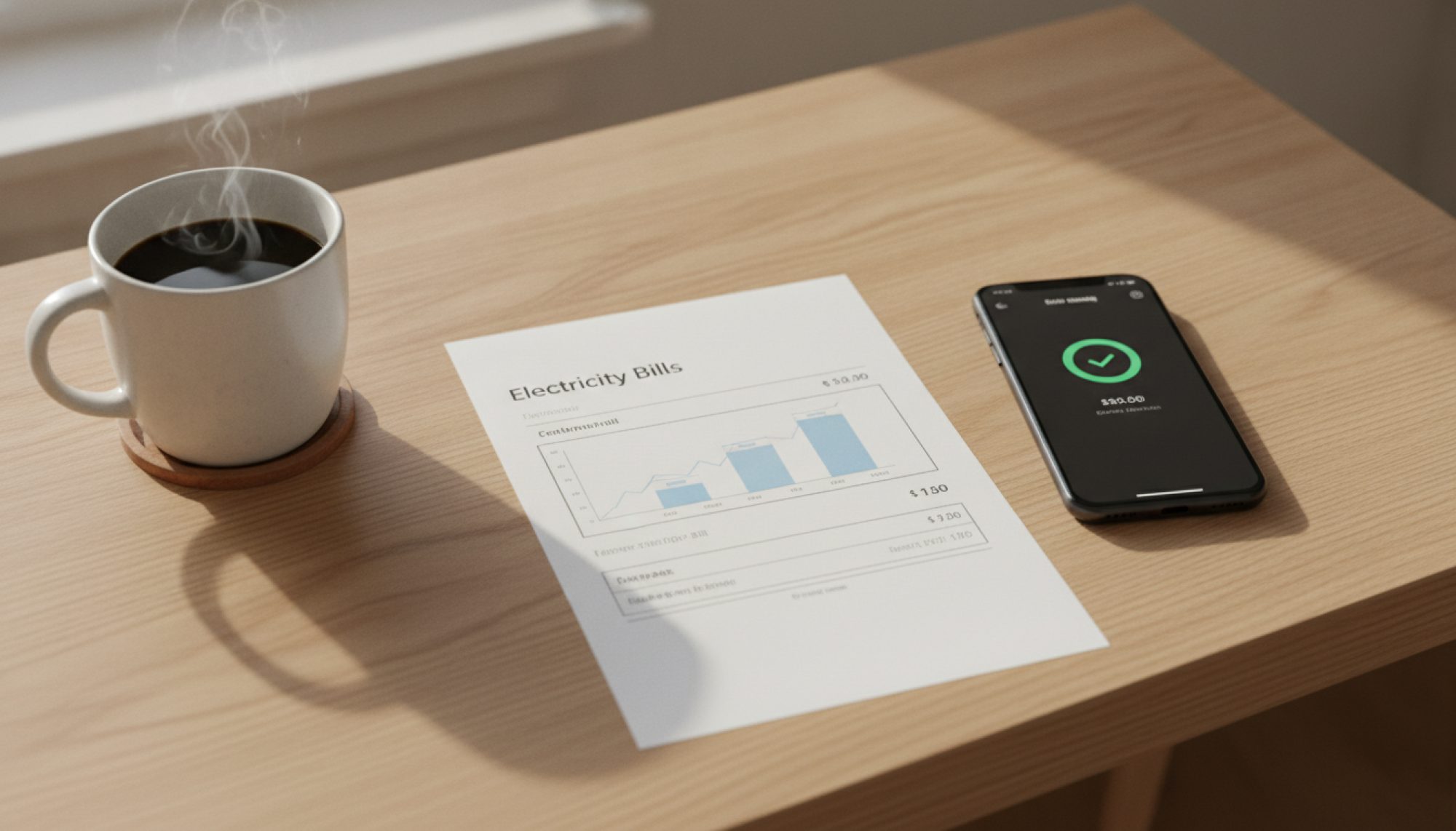
For many Texans, opening the monthly energy statement is an exercise in frustration. You expect a straightforward calculation of the energy you used multiplied by your agreed-upon rate, but instead, you are greeted by a multi-page document filled with cryptic line items, base fees, and regulatory acronyms. Whether you are shopping for electricity Houston families depend on or trying to make sense of your current plan, mastering the breakdown of these charges is essential to protecting your wallet.
The Anatomy of a Texas Electricity Statement
In the deregulated Texas energy market, your bill is split into two primary components: the charges from your Retail Electric Provider (REP) for the actual energy you consume, and the charges from your local Transmission and Distribution Utility (TDU) for delivering that energy to your home. Understanding how these two entities interact is key to demystifying your monthly statement.
Retail Electric Provider (REP) Charges
Your REP is the company you choose to buy your electricity from, such as the vetted partners available through ElectricityOne. Their portion of the bill typically includes:
- Energy Charge: This is the cost per kilowatt-hour (kWh) for the actual electricity you consume.
- Base Fee: A flat monthly fee charged by some providers to cover administrative costs, regardless of how much energy you use.
- Minimum Usage Fees: Some plans charge a penalty if your monthly consumption falls below a certain threshold, making it critical to read the fine print before signing up.
If you prefer to avoid surprise administrative fees altogether, you might consider alternative options like a prepaid electric service, which allows you to pay only for the electricity you plan to use upfront.
Decoding the Mystery: What Are TDU Charges?
The most common source of confusion on a Texas utility statement is the delivery section. Gaining a complete understanding tdu delivery charges on electric bill statements is the first step toward regaining control over your monthly utility expenses.
Unlike your choice of REP, you cannot choose your TDU. These are the regional utility companies—such as Oncor, CenterPoint Energy, AEP Texas, or Texas-New Mexico Power (TNMP)—that physically own and maintain the power lines, poles, and meters in your area. They are responsible for restoring power after a storm and ensuring the grid operates safely. The Public Utility Commission of Texas (PUCT) regulates these companies and approves the rates they charge for delivering power to your home or business. These regulated costs are passed directly to you on your bill, without any markup from your REP.
How TDU Delivery Charges Are Calculated
TDU charges generally consist of two parts:
- A Fixed Monthly Charge: A flat fee charged per billing cycle for connection and metering services, which remains the same regardless of your usage.
- Volumetric Charges: A cost assessed per kilowatt-hour (kWh) that fluctuates based on how much electricity passes through the grid to your home during the billing cycle.
Because these charges are set by the state and updated twice a year, they will be identical for every resident in your specific utility service area, no matter which REP you select. Whether you are comparing plans for electricity dallas residents use or looking for commercial solutions, these delivery fees remain constant across all providers in that TDU territory.
Why Choosing the Right Partner Matters
Navigating these complex fee structures on your own can be overwhelming, especially when using public comparison platforms like the power to choose website, where hidden fees can sometimes lurk in the fine print. That is where ElectricityOne makes a difference. With over 20 years of experience providing reliable, quick, and courteous electric service for Texas homes and businesses, we take the guesswork out of energy shopping.
We serve as a prominent platform connecting residents and businesses with the finest Retail Electric Providers in the state, ensuring absolute bill clarity. Our value proposition is built on a meticulous provider selection process:
- Two Decades of Expertise: Over 20 years of experience helping Texans navigate the deregulated market.
- Strict Vetting: We only partner with REPs that offer substantial cost savings, transparent disclosure of all costs and fees, and long-term satisfaction.
- No Hidden Surprises: We ensure all contract terms are honest, helping you avoid unexpected base fees or deceptive tiered rate structures.
Whether you need residential service or are shopping for competitive business electricity plans, our team ensures you get a plan that fits your actual usage profile without any hidden traps.
Take Control of Your Energy Costs Today
By understanding how your energy charges, base fees, and state-regulated distribution costs are calculated, you can protect yourself from unexpected billing spikes and make highly informed decisions for your household. You do not have to decipher these complex statements alone.
Ready to switch to a transparent plan with no billing surprises? Call 1.844.567.2863 today to speak with our Texas energy billing experts.
Frequently Asked Questions
Are TDU delivery charges the same for every electricity provider?
Yes. TDU delivery charges are set and regulated by the Public Utility Commission of Texas. They are determined by your geographic location and local utility company (such as Oncor or CenterPoint), meaning they will remain exactly the same regardless of which retail electric provider you choose.
What is the difference between a base fee and an energy charge?
An energy charge is a volumetric cost based on the actual number of kilowatt-hours of electricity you consume during a billing cycle. A base fee is a flat monthly charge assessed by some retail providers to cover administrative costs, which does not change based on your usage.
How can I avoid hidden fees on my monthly electric bill?
The best way to avoid unexpected fees is to carefully review the Electricity Facts Label (EFL) of any plan before signing up, or to partner with a trusted service like ElectricityOne. We meticulously vet our retail partners to ensure they offer transparent pricing, honest terms, and absolutely no hidden billing surprises.