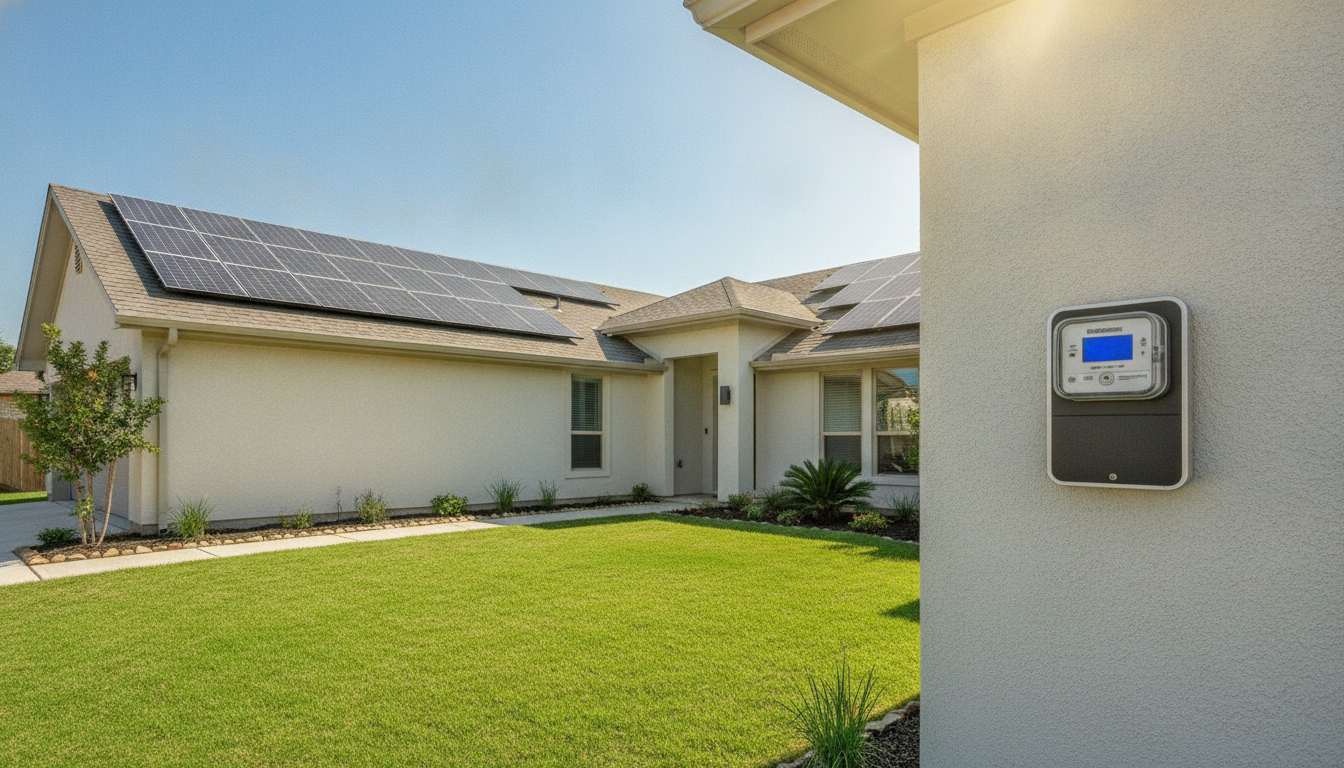
When opening your monthly electricity invoice in South Texas, you might notice that your total bill is split into distinct categories: energy supply charges from your retail provider and utility distribution fees. Understanding aep texas central delivery charges is essential for every residential homeowner and commercial business owner across the region. These fees cover the physical maintenance, power lines, substations, and digital meters that keep your electricity flowing reliably, regardless of which retail company manages your billing account.
Retail Electric Providers vs. AEP Central: Who Does What?
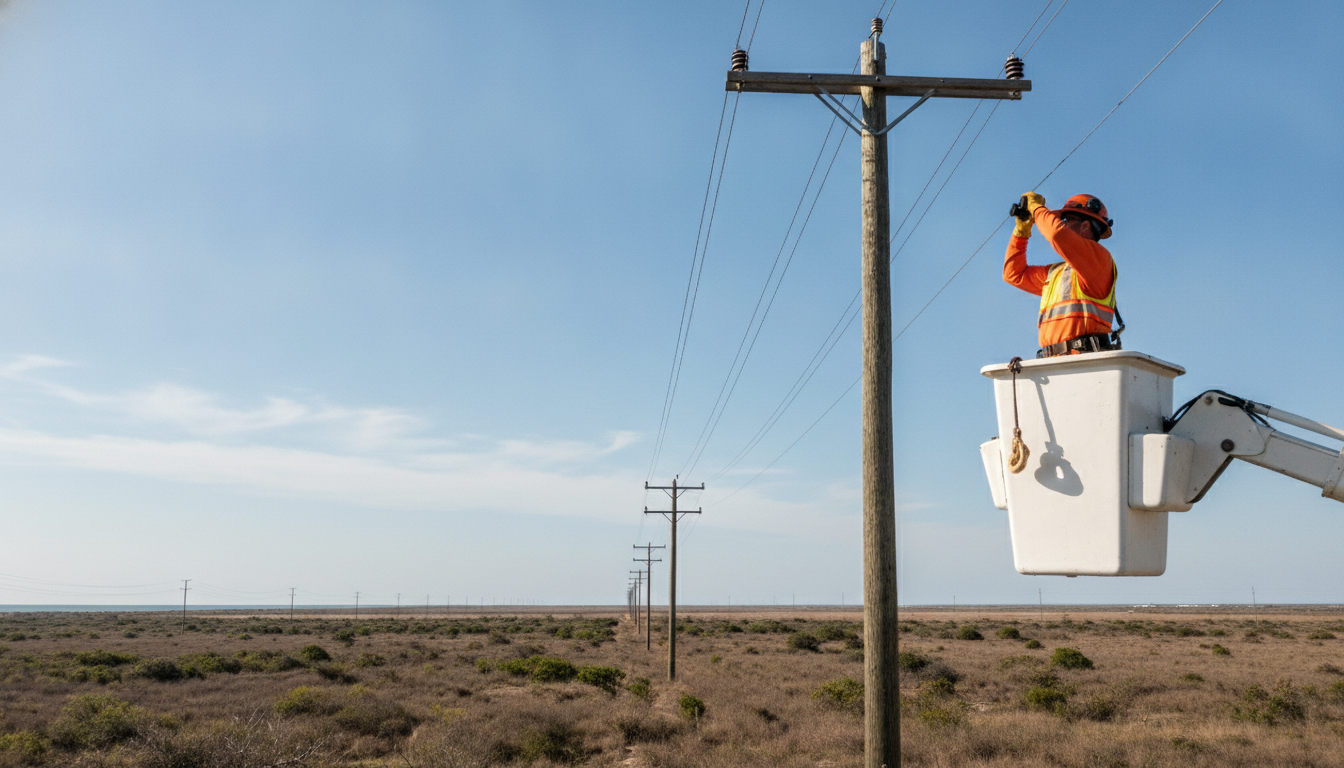
In the deregulated Texas energy market, energy service is divided between two distinct entities: Retail Electric Providers (REPs) and Transmission and Distribution Utility (TDU) companies. AEP Texas Central operates as the primary TDU/TDSP across approximately 44,000 square miles of South Texas, serving major regional hubs including Corpus Christi, McAllen, Harlingen, Laredo, Victoria, and the broader Rio Grande Valley.
Your chosen REP purchases electricity from power generators, establishes your contract terms, and bills you monthly. In contrast, AEP Central owns and maintains the physical infrastructure that carries power from generation plants directly to your building. Whether you are comparing residential plans locally or evaluating how options differ from metropolitan markets like electricity Houston or electricity dallas, the structural divide between supply providers and utility delivery networks remains consistent across all deregulated territories.
Deconstructing AEP Texas Central Delivery Charges
Every retail provider in South Texas collects utility delivery charges on behalf of AEP Central and passes them through directly to the consumer without markup. Set and approved by the Public Utility Commission of Texas (PUCT), these charges pay for ongoing grid infrastructure upgrades, emergency storm restoration, line maintenance, and routine meter readings.
Delivery fees are typically divided into two core conceptual components on your bill:
- Fixed Customer Base Charges: A standard monthly fee assessed per account to cover billing, meter administration, and localized equipment connectivity.
- Volumetric Distribution Charges: A variable fee calculated strictly based on your total kilowatt-hour usage during that billing cycle.
Whether you choose a long-term fixed contract or opt for immediate flexibility through prepaid electric service, these PUCT-regulated delivery fees apply uniformly across every energy plan available in the service territory.
Navigating Electric Choice with ElectricityOne
Finding a competitive retail rate while accurately accounting for utility pass-through fees can feel complex. Rather than scrolling endlessly through state directories like power to choose, working with an experienced energy partner ensures complete transparency when selecting electric coverage. Commercial enterprises seeking specialized business electricity plans and homeowners alike benefit from simplified comparison solutions.
ElectricityOne serves as a trusted platform designed to connect South Texas residents with top-tier Retail Electric Providers operating within the AEP Central footprint. Here is how ElectricityOne simplifies your search:
- Two Decades of Experience: Over 20 years of hands-on expertise providing quick, courteous, and reliable energy solutions across Texas.
- Strict Provider Vetting: A meticulous REP selection process that partners only with top-rated companies offering real savings and honest contracts.
- Complete Fee Transparency: Upfront disclosure of all rate terms, ensuring that pass-through utility delivery charges are clearly explained before enrollment.
- Tailored Market Guidance: Personalized advice to help you select fixed-rate, variable, or prepaid options aligned with your monthly energy usage.
Reading Your Bill and Managing Power Emergencies
Understanding AEP Central’s specific role in your energy ecosystem helps you better read your bill and take appropriate action during utility emergencies. Because your retail provider only handles billing and contract management, they do not manage line repairs or physical grid restoration. If a severe coastal storm, downed pole, or fallen branch causes a unexpected blackout, you must contact AEP Central directly to report the outage and dispatch field technicians.
Ready to find the best energy plan for your AEP Central delivery area? Call 1.844.567.2863 today to speak with our Texas energy experts.
Frequently Asked Questions
What are AEP Texas Central delivery charges?
AEP Texas Central delivery charges are PUCT-regulated fees required to maintain the electrical grid, service power lines, read meters, and transport electricity directly to your property in South Texas.
Can I avoid paying AEP Central delivery fees by switching retail providers?
No. Utility delivery charges are mandatory pass-through fees set by state regulators. All retail electric providers operating within the AEP Central service zone must collect these identical fees on behalf of the utility.
Who do I call if I experience a power outage in South Texas?
During a power outage or electrical emergency, you should contact AEP Central directly via their dedicated outage reporting line, as they own and repair the power lines and physical infrastructure.