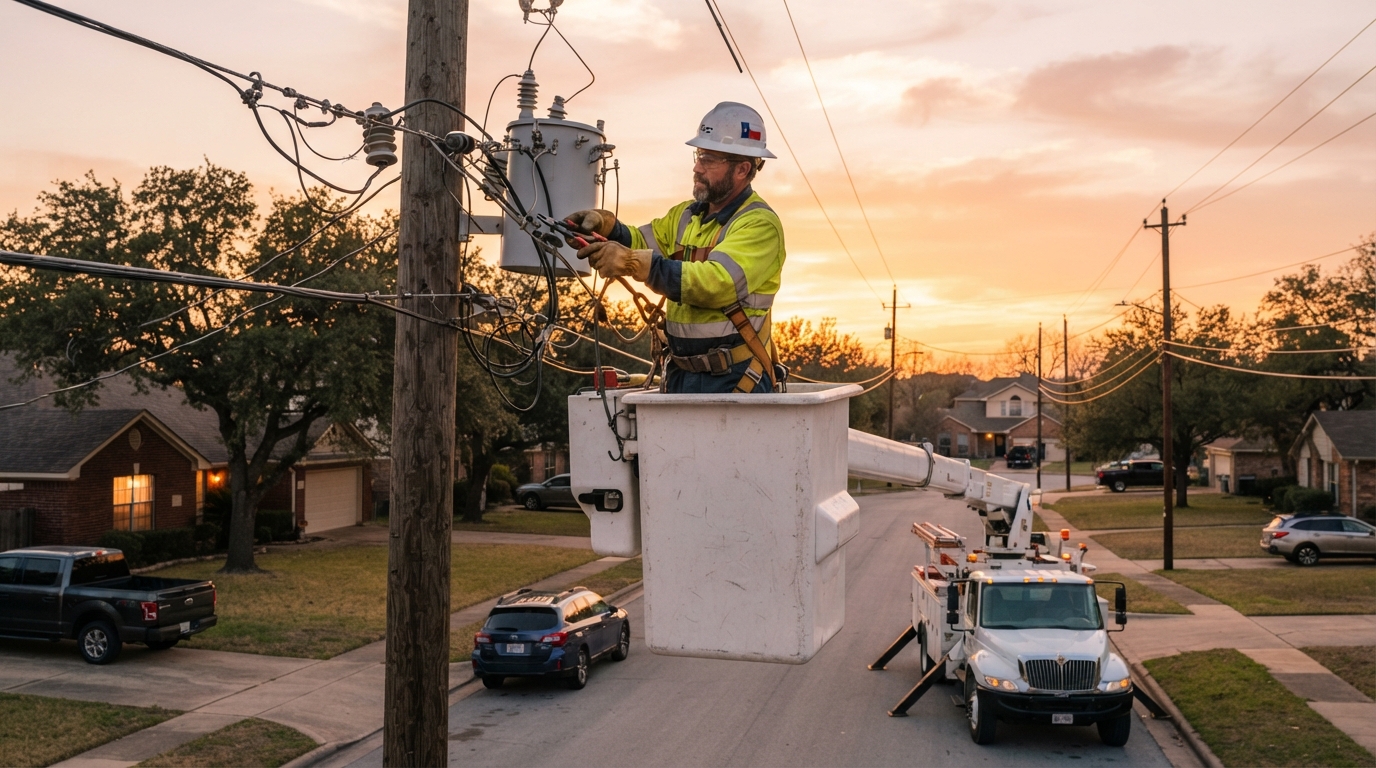
Ever wondered why you signed up for a fixed 12-month electricity plan with a top-rated company like APG&E, but when a severe storm knocks out a power line on your street, an Oncor or CenterPoint bucket truck arrives to make the repairs? This separation of responsibilities is one of the most fundamental features of the deregulated Texas power grid. Whether you are setting up residential power or shopping for commercial business electricity plans, understanding how your electricity is sold versus how it is delivered requires answering one crucial question: what is a transmission and distribution service provider?
Provider vs. Utility: Understanding the Clear Distinction
In deregulated parts of Texas, the energy market is split into two distinct entities: Retail Electric Providers (REPs) and Transmission and Distribution Service Providers (TDSPs, also commonly called TDUs or utilities). Knowing who does what helps you understand your monthly electric bill and know exactly who to contact in an emergency.
1. Retail Electric Providers (REPs)
Your REP is the commercial brand that sells you electricity plans, manages your account, issues your monthly bill, and handles customer service. You have the freedom to select your REP based on contract terms, pricing structures, and customer service ratings. For instance, APG&E is a premier Texas provider known for offering structured bill predictability through fixed-term options like their SimpleSaver 12 plan. While APG&E secures your energy rate structure for a 12-month period, they do not own or maintain the physical wires that carry electricity to your house.
2. Transmission and Distribution Service Providers (TDSPs)
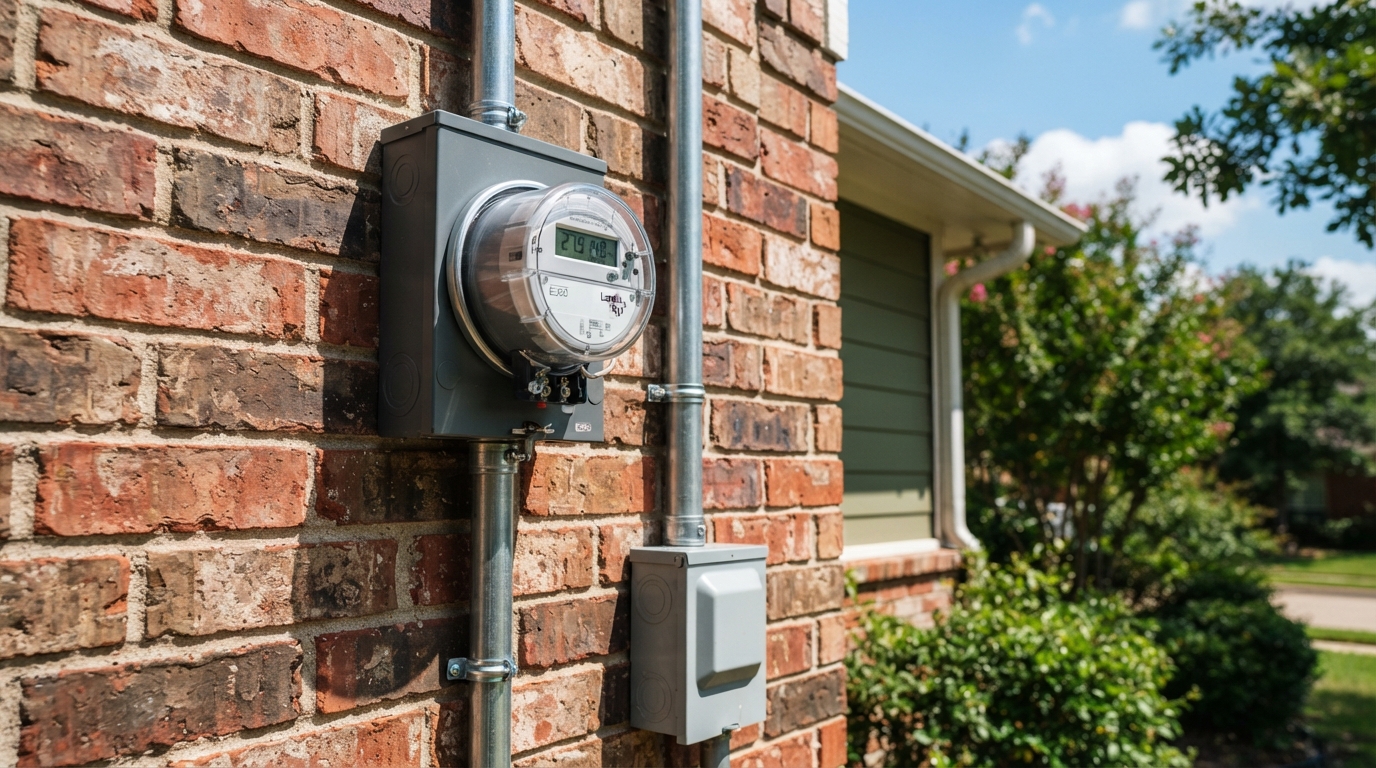
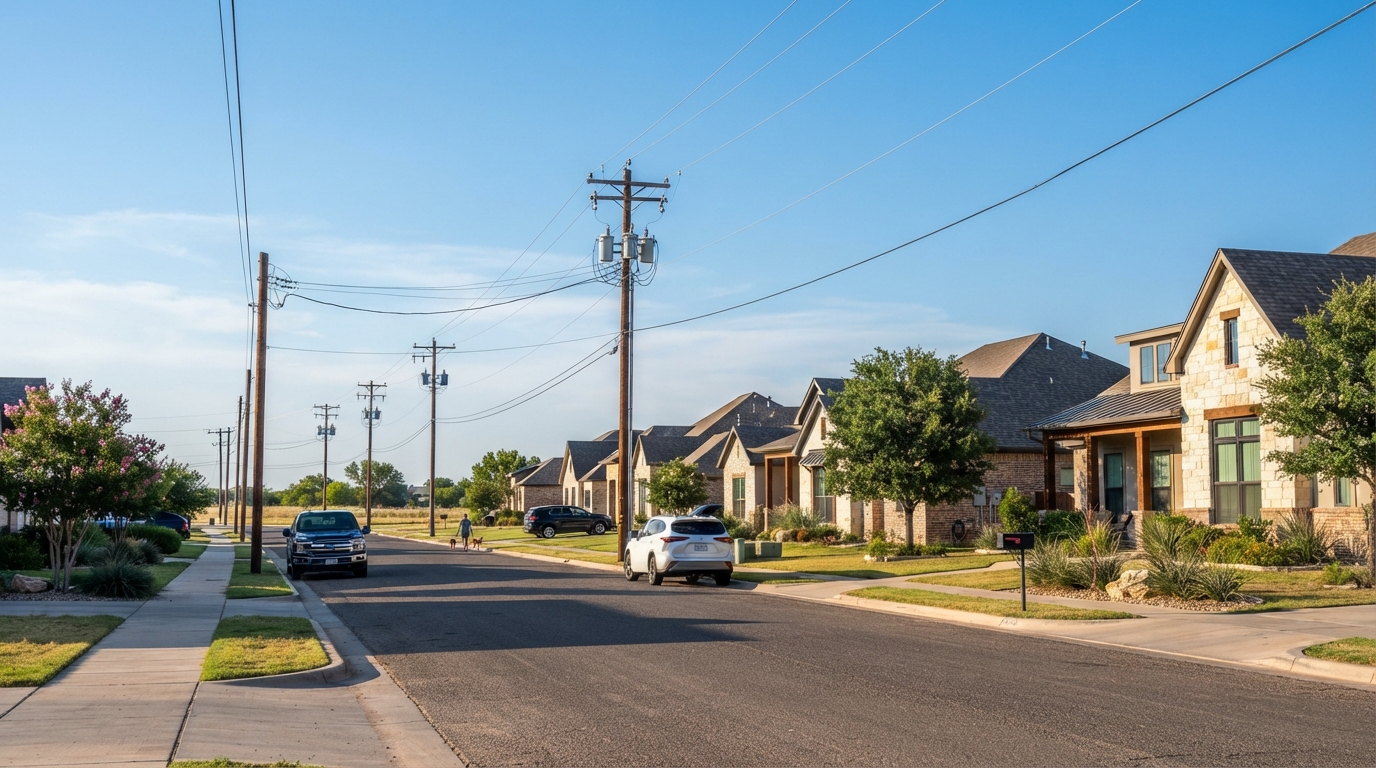
Your TDSP is the regulated utility company that maintains the physical energy infrastructure in your geographic area. Unlike REPs, you cannot choose your TDSP; it is assigned based entirely on where your home or business is physically located. TDSPs own, operate, and repair the high-voltage transmission lines, local distribution poles, transformers, and smart meters. They ensure that electricity generated across the state physically arrives at your property safely and reliably.
The Six Major Texas Utility Delivery Areas
The vast majority of the competitive Texas market operates within the grid overseen by the Electric Reliability Council of Texas (ERCOT). Across this vast region, six major TDSPs maintain the localized infrastructure:
- Oncor Electric Delivery: The largest utility in Texas, maintaining lines across North and Central Texas, supplying power for areas including electricity dallas households.
- CenterPoint Energy: Manages the extensive physical distribution network powering the Greater Houston area and coastal communities needing electricity Houston services.
- AEP Texas Central & AEP Texas North: Covers vast geographical stretches across South, West, and Central Texas.
- Texas-New Mexico Power (TNMP): Serves distinct pockets of North, West, and Gulf Coast Texas communities.
- Lubbock Power & Light (LP&L): The newest addition to the deregulated ERCOT landscape, allowing Lubbock residents to transition from a municipal utility model into competitive REP choices.
How APG&E and Your Utility Work Together
When you select a fixed plan like APG&E’s SimpleSaver 12, APG&E establishes your core energy supply contract for 12 months. However, to get that electricity from power generation plants into your home, it must travel through your local utility’s wires. The Public Utility Commission of Texas (PUCT) strictly regulates the delivery charges that TDSPs assess for this infrastructure maintenance.
These standard delivery charges are passed directly through to your monthly statement without markup by your REP, regardless of whether you choose traditional fixed plans, tiered usage structures, or options like prepaid electric service. Rather than navigating endless options blindly across generic power to choose platforms, partnering with an expert resource helps clarify how these pass-through costs affect your total monthly bill.
Why Texans Trust ElectricityOne
Navigating the relationship between utility delivery zones and retail energy contracts can feel overwhelming. That is why Texas residents rely on ElectricityOne to simplify the process.
- Over 20 Years of Texas Market Experience: Providing reliable, quick, and courteous service helping Texas homes and businesses connect to top energy solutions.
- Meticulous Provider Selection: Partnering exclusively with reputable REPs—like APG&E—that deliver substantial cost savings, long-term satisfaction, and transparent billing.
- Complete Fee Transparency: Clear breakdowns of all supply charges and TDU pass-through delivery fees, ensuring zero surprises on your billing statements.
Who to Call: Outages vs. Billing Inquiries
Knowing the difference between your provider and your utility is vital when an issue arises:
- Call Your REP (APG&E): For questions regarding your contract, updating billing details, renewing your plan, or discussing energy usage rates.
- Call Your Local TDSP (e.g., Oncor, CenterPoint): If your power goes out, if you see a downed power line, or if you suspect physical meter damage. TDSP crews work 24/7 to restore service regardless of which REP sells you electricity.
Ready to find the best energy plan for your specific utility delivery area? Call 1.844.567.2863 today to speak with our Texas energy experts.
Frequently Asked Questions
Can I switch my TDSP utility company in Texas?
No. While you can freely choose your Retail Electric Provider (such as APG&E), your Transmission and Distribution Service Provider is determined entirely by your physical address and geographic service territory.
Why do I see TDSP delivery charges on my APG&E bill?
TDSP charges cover the regulated costs of maintaining power lines, poles, and smart meters. APG&E collects these mandatory fees on behalf of your local utility and passes them through directly without extra markups.
Who should I call during a power outage?
During a power outage or physical emergency involving electric equipment, you should contact your local TDSP (such as CenterPoint, Oncor, or TNMP) directly, as they own and operate the crews responsible for physical grid repairs.