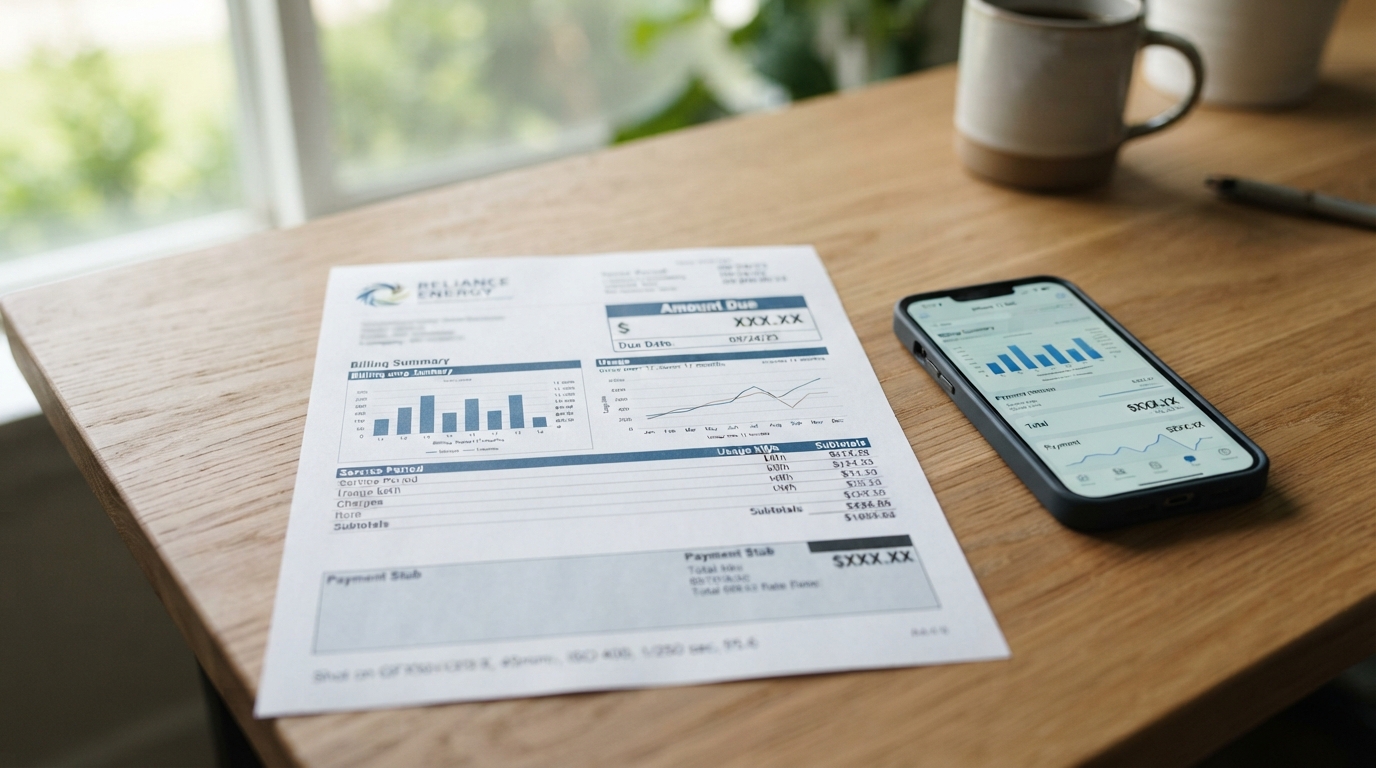
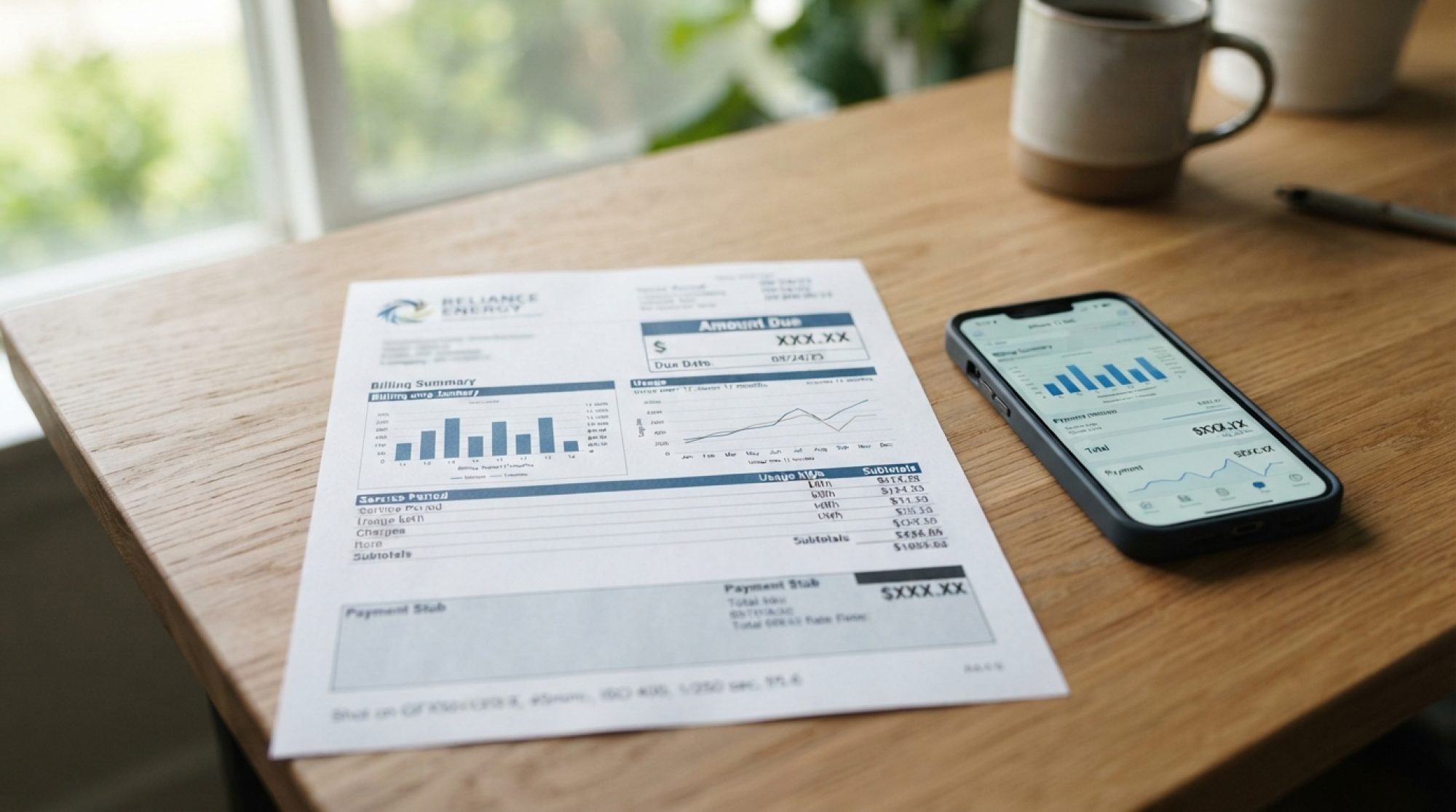
If you are a Texas homeowner or renter staring down a multi-page monthly statement and wondering why your charges feel like a moving target, you are far from alone. Navigating the deregulated Texas energy market can sometimes feel like deciphering a foreign language, especially when base fees, energy consumption totals, and state-regulated distribution costs all collide on a single page. Whether you are managing household energy consumption or reviewing options for business electricity plans, mastering your monthly invoice is the first step toward true financial control. At how to read a texas electricity bill, clarity replaces confusion.
Demystifying the Breakdown of Charges
Your monthly statement is essentially split into two main buckets: the energy you consume and the infrastructure required to deliver it to your property. Understanding these core components is essential for avoiding sticker shock, particularly during extreme seasonal weather events when demand peaks.
Retail Energy Supply vs. Utility Distribution
When you shop for plans—whether you are looking at standard credit options or evaluating prepaid electric service—you are selecting a Retail Electric Provider (REP). Your REP charges you for the actual kilowatt-hours (kWh) you burn. However, your monthly statement also includes pass-through charges from your local Transmission and Distribution Utility (TDU). These regional entities, such as Oncor, CenterPoint, AEP Texas, or TNMP, manage the physical power lines, poles, and meters. TDUs pass down their regulated costs to every consumer regardless of which REP you choose.
Base Fees, Energy Charges, and Riders
Beyond simple usage, your statement typically features a fixed monthly base fee, a variable energy charge per kWh, and occasional TDU delivery charges that include a flat monthly fee plus a per-kWh distribution component. Before committing to any contract, savvy consumers often cross-reference the power to choose metrics alongside official disclosure documents. Whether you reside in electricity Houston markets or manage a property in electricity dallas service areas, knowing how these line items interact prevents unexpected billing surprises.
Why Choose ElectricityOne
Finding a trustworthy energy partner makes all the difference in achieving absolute bill clarity. Here is what sets ElectricityOne apart:
- Over 20 years of experience providing reliable, quick, and courteous electric service for Texas homes and businesses.
- A meticulous provider selection process ensuring partnerships only with REPs that offer substantial cost savings.
- Strict vetting of honest contract terms with transparent disclosure of all costs and fees.
- A dedicated focus on long-term customer satisfaction and billing transparency.
By taking the time to thoroughly dissect your monthly statement, you shield your household budget from predatory pricing structures, tiered minimum-usage penalties, and sudden rate inflation. Ready to switch to a transparent plan with no billing surprises? Call 1.844.567.2863 today to speak with our Texas energy billing experts.
Frequently Asked Questions
Why do I pay both a Retail Electric Provider and a TDU?
Your Retail Electric Provider generates or purchases the electricity supply you use, while your local Transmission and Distribution Utility maintains the physical poles, wires, and meters that deliver that power safely to your home.
Can my TDU delivery charges change from month to month?
Yes. While some TDU fees include a fixed monthly component, the per-kWh distribution charges will naturally fluctuate depending on your total monthly electricity consumption.
How can I avoid unexpected spikes on my monthly energy statement?
Reviewing your provider’s standardized disclosure labels before enrolling, monitoring your daily usage, and choosing fixed-rate plans can drastically reduce your vulnerability to seasonal pricing volatility.