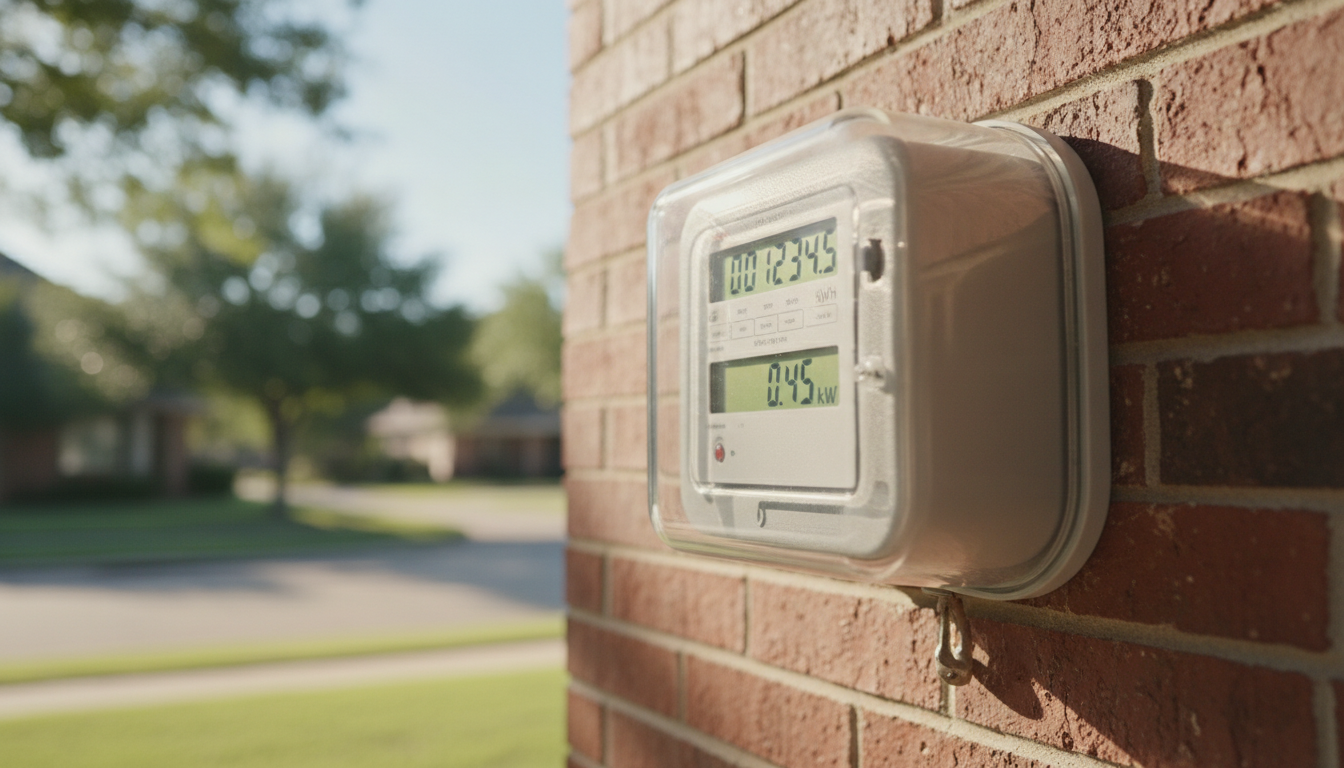

For many Texans, opening the monthly utility statement can be a source of frustration. With multiple pages, cryptic abbreviations, and various line items, it often feels like you need an advanced degree in finance just to figure out what you are paying for. Learning how to read a texas electricity bill is the first step toward regaining control over your monthly household budget and protecting yourself from unexpected costs.
The deregulated Texas energy market offers unparalleled freedom, but it also requires consumers to be vigilant. By understanding how your monthly usage and state-regulated distribution charges are calculated, you can make informed decisions when shopping for your next energy plan.
The Two Halves of Your Texas Energy Statement
To understand your bill, you must first recognize that the Texas electricity market is split into two primary components: the company that sells you the energy and the company that physically delivers it to your home. Whether you are shopping for electricity Houston residents rely on, or setting up electricity dallas homeowners trust, your monthly statement will reflect this dual-structure system.
First, your Retail Electric Provider (REP) is the company you choose to buy your energy supply from. They manage your account, handle billing, and set your contract terms. Second, your Transmission and Distribution Utility (TDU)—such as Oncor, CenterPoint Energy, AEP Texas, or TNMP—is the utility company responsible for maintaining the physical power lines, poles, and meters in your geographic region. TDUs pass down their regulated costs to every consumer in their territory, regardless of which retail provider you choose.
Decoding the Mystery Fees: Base, Energy, and TDU Charges
When you look at the detailed line items on your statement, the total amount due is typically broken down into three core fee categories:
1. The Base Fee
This is a flat, fixed monthly fee charged by your retail electric provider simply for keeping your account active. Not all plans have a base fee, but for those that do, this charge remains the same every month regardless of how much or how little electricity you consume.
2. The Energy Charge
This is the actual cost of the electricity you consumed during the billing cycle. It is calculated by multiplying your total kilowatt-hour (kWh) consumption by your contracted rate per kilowatt-hour. This is the portion of the bill that fluctuates directly with your seasonal energy habits.
3. TDU Delivery Charges
These are the state-regulated fees charged by your regional utility to cover the cost of transporting electricity to your home and maintaining the grid. These charges consist of both a fixed monthly customer charge and a variable charge per kilowatt-hour. Because these rates are approved by the Public Utility Commission of Texas, your retail provider simply passes them through to your bill without any markup.
Avoiding Billing Surprises with the Right Plan
Navigating these different charges is crucial when you use the public power to choose your own electricity provider. Many consumers fall into the trap of signing up for plans with complex tiered rates or hidden minimum-usage fees that inflate the bottom-line expenses if their consumption falls outside a narrow window.
For some, choosing a prepaid electric service provides the ultimate billing transparency, allowing them to pay only for the energy they use without worrying about fixed monthly surprises or deposits. Meanwhile, business owners looking to secure business electricity plans must pay close attention to how demand charges and distribution fees are calculated to protect their operational margins.
Why Partner with ElectricityOne?
At ElectricityOne, we believe that understanding your energy statement should be simple and straightforward. We handle the heavy lifting so you can enjoy total peace of mind.
- Over 20 years of experience providing reliable, quick, and courteous electric service for Texas homes and businesses.
- A prominent platform that connects residents and businesses with the finest Retail Electric Providers (REPs) in the state, ensuring absolute bill clarity.
- A meticulous provider selection process ensuring partnerships only with REPs that offer substantial cost savings, transparent disclosure of all costs/fees, and long-term satisfaction.
- A dedicated team of experts focused on eliminating billing confusion and helping you secure the most honest contract terms available.
Conclusion: Take Control of Your Energy Costs
A deep understanding of your monthly energy statement is your best defense against unexpected costs and rising utility rates. By knowing exactly what goes to your retail provider for energy supply and what goes to your regional TDU for infrastructure maintenance, you can shop the Texas market with absolute confidence.
Ready to switch to a transparent plan with no billing surprises? Call 1.844.567.2863 today to speak with our Texas energy billing experts.
Frequently Asked Questions
Why do my TDU delivery charges change from month to month?
While the utility company charges a flat monthly connection fee, the bulk of the TDU delivery charges are assessed on a per-kilowatt-hour basis. This means as your electricity usage increases during hot summer months or cold winter stretches, your total TDU delivery charges will scale up accordingly.
Can a Retail Electric Provider wave or negotiate TDU delivery charges?
No. TDU delivery charges are non-negotiable fees regulated by the state utility commission. All retail providers in your utility region must collect these exact fees and pass them directly to the utility company responsible for physical line maintenance.
What is a minimum-usage fee on a Texas electricity bill?
A minimum-usage fee is a charge applied by some retail providers if your monthly electricity consumption falls below a specified threshold (often 500 or 1,000 kWh). Understanding your average monthly usage before signing a contract is critical to avoiding these unexpected fees.