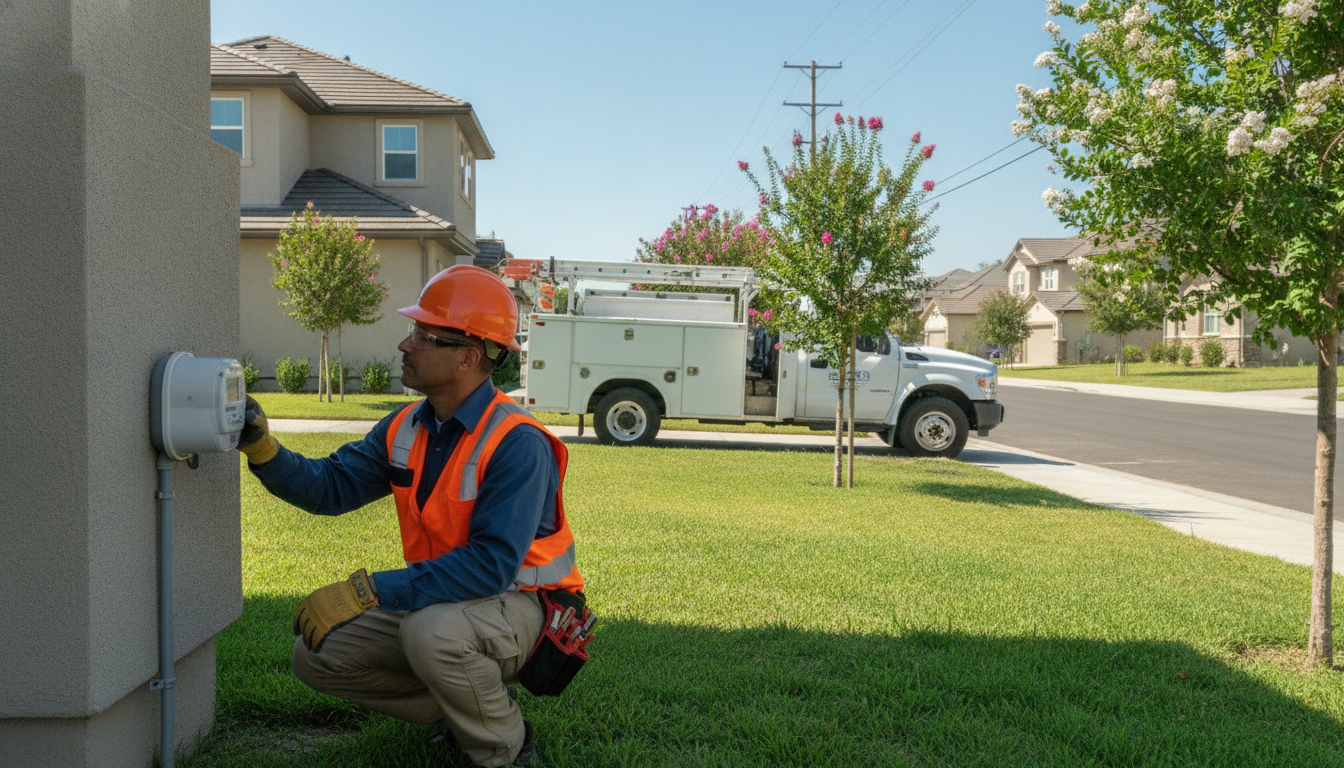
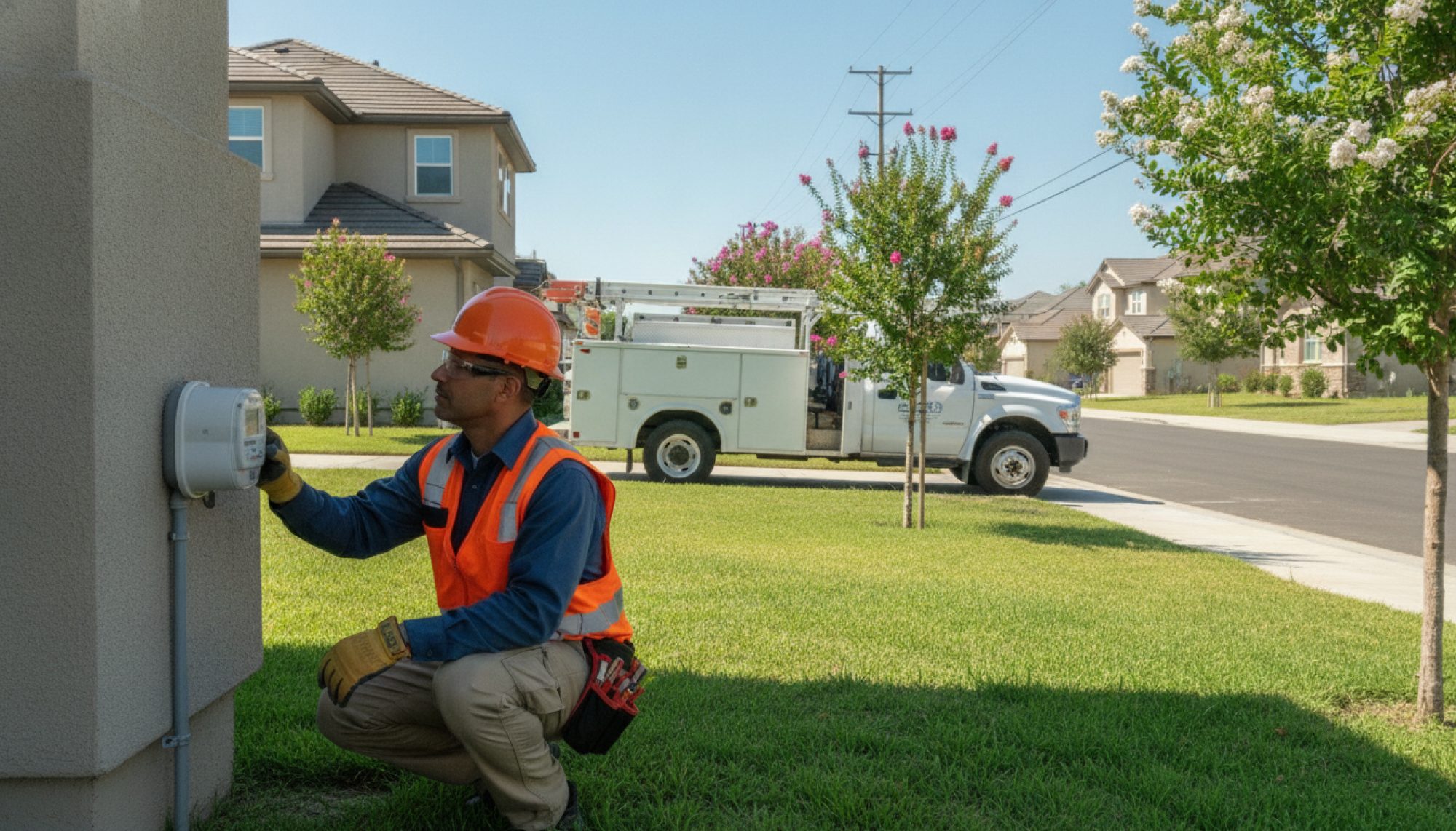
Imagine you have just selected a new energy plan to power your home. You used a trusted platform to compare options, selected a secure 24-month contract with a premier provider like Frontier Utilities, and settled in. But a few weeks later, during a heavy Texas thunderstorm, you look out your window and see an Oncor or CenterPoint truck working on the power lines. Why are there two different company names involved in your home’s power? To understand how the Texas energy grid operates, you first need to answer a fundamental question: what is a transmission and distribution service provider (TDSP)?
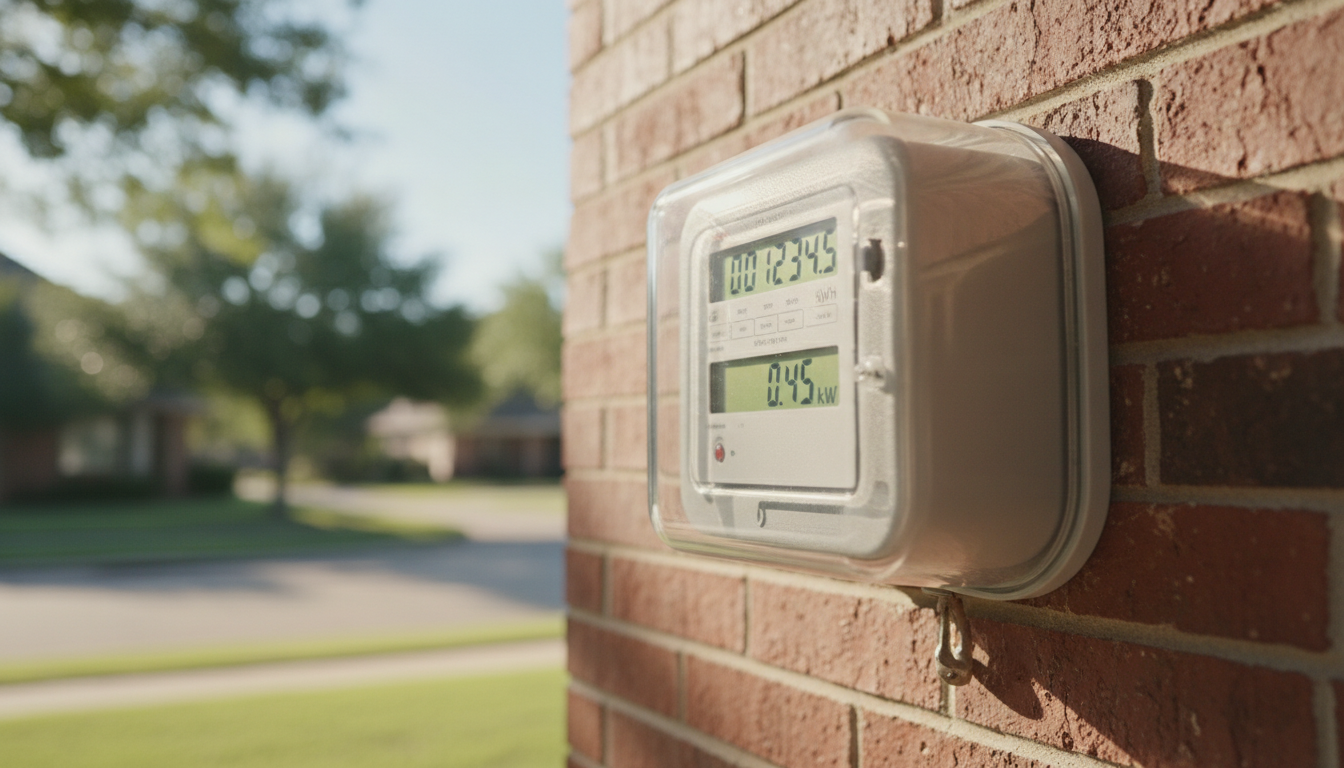
In the deregulated Texas market, your electricity service is split into two distinct roles: the Retail Electric Provider (REP) and the Transmission and Distribution Service Provider (TDSP, also commonly called a TDU). Your REP, such as Frontier Utilities, is the company that sells you energy, manages your account, and bills you for your monthly usage. On the other hand, the TDSP is the utility company that owns and maintains the physical infrastructure—the poles, wires, transformers, and smart meters—that deliver that electricity to your home or business. While you have the power to select your REP, your TDSP is determined strictly by your geographic location.
The Geography of the Texas Grid: Mapping the Six Major TDSPs
The Electric Reliability Council of Texas (ERCOT) grid is divided into specific utility service territories. No matter which retail provider you choose, the physical delivery of your power relies on the utility company assigned to your area. Here is how the geography of the grid is divided across the state:
Oncor Electric Delivery
As the largest TDSP in Texas, Oncor services millions of homes and businesses across northern, western, and central parts of the state. If you are shopping for electricity dallas residents rely on, Oncor is the utility responsible for maintaining the physical lines in your neighborhood.
CenterPoint Energy
CenterPoint covers the Houston metropolitan area and surrounding gulf coast regions. If you are looking to set up electricity Houston homes require, CenterPoint will be the entity managing the physical grid infrastructure, responding to local outages, and reading your smart meter.
AEP Texas (Central and North)
American Electric Power (AEP) is split into two primary territories in Texas. AEP Central covers southern parts of the state, including Corpus Christi, McAllen, and Laredo. AEP North services northern and western regions, including Abilene and San Angelo. Both divisions ensure that power flows safely from generation sources to end-users.
Texas New-Mexico Power (TNMP)
TNMP services various pockets of Texas, including areas northeast of Houston, gulf coast adjacent zones, and portions of West Texas. They maintain infrastructure for dozens of communities that rely on stable power delivery.
Lubbock Power & Light (LP&L)
The newest addition to the deregulated landscape is Lubbock Power & Light. Having recently transitioned into the competitive ERCOT market, LP&L now operates as a TDSP, allowing West Texas residents in the Lubbock area to choose their retail providers for the first time in decades.
Securing Rate Stability with Frontier Utilities
While your local utility handles the physical delivery, choosing the right retail provider is key to managing your monthly energy costs. This is where a premier REP like Frontier Utilities comes in. For homeowners seeking long-term peace of mind, the Frontier Saver Premier 24 plan is an excellent option. By looking up Frontier Utilities Texas electricity rates, you can find competitive plans that lock in your base energy supply rate for a full 24 months.
Even though your local TDSP will still charge regulated distribution fees to deliver that power across their lines, securing a fixed supply rate protects you from market volatility. Whether you are seeking residential plans, exploring a prepaid electric service for flexible budgeting, or researching commercial options like business electricity plans, understanding how your retail rate interacts with utility delivery charges is crucial for accurate budgeting.
How ElectricityOne Simplifies Your Energy Search
Navigating the complex landscape of utilities and retail providers can feel overwhelming. That is why ElectricityOne is dedicated to helping Texas consumers make informed choices. Rather than spending hours browsing the state’s power to choose portal without guidance, ElectricityOne provides a curated experience designed for clarity and value.
- Over 20 Years of Experience: Providing reliable, quick, and courteous electric service connection assistance for Texas homes and businesses.
- Meticulous Provider Selection: We partner only with top-tier REPs—like Frontier Utilities—that offer substantial cost savings and long-term satisfaction.
- Transparent Cost Disclosures: We ensure all fees, including regulated TDU pass-through charges, are clearly explained so there are no surprises on your bill.
- Streamlined Shopping: Easily compare plans tailored to your specific utility delivery zone, ensuring you get the perfect match for your home’s needs.
Conclusion: Knowledge is Power on the Texas Grid
By understanding the distinct roles of your retail provider and your local utility, you can shop for energy with confidence. While your TDSP maintains the physical grid and responds to emergencies, providers like Frontier Utilities give you the stability you need to keep your budget on track.
Ready to find the best energy plan for your specific utility delivery area? Call 1.844.567.2863 today to speak with our Texas energy experts.
Frequently Asked Questions
What is the difference between a retail electric provider and a TDSP?
A Retail Electric Provider (REP) buys wholesale electricity and sells it to you, managing your billing and customer service. A Transmission and Distribution Service Provider (TDSP) owns and maintains the physical wires, poles, and meters, delivering the electricity to your home.
Can I choose my own TDSP in Texas?
No. Your TDSP is determined solely by your geographic location and the physical infrastructure connected to your home or business. You can, however, choose any Retail Electric Provider that services your TDSP area.
Why do TDSP charges appear on my electric bill?
TDSP charges are government-regulated, pass-through fees that cover the cost of maintaining the physical grid, repairing lines after storms, and reading meters. These fees are passed from the utility through your retail provider to your monthly statement, regardless of your specific energy plan.