
If you are a Texas homeowner or renter staring at your monthly statement, wondering why your charges feel like a complex puzzle, you are certainly not alone. Navigating the deregulated Texas energy market can feel overwhelming, especially when trying to decipher the line items that dictate your bottom-line expenses. Whether you are managing electricity Houston grids or checking your usage up north, making sense of your utility bill is essential for managing your monthly household budget.
At ElectricityOne, we believe that absolute clarity is the foundation of smart energy management. With over 20 years of experience providing reliable, quick, and courteous electric service for Texas homes and businesses, we know how frustrating opaque billing can be. This guide will help you understand one of the most misunderstood components of your monthly statement: understanding tdu delivery charges on electric bill statements, and why they appear on every single invoice regardless of your retail energy provider.
Spotting the Core Differences: Supply vs. Delivery
To truly master your energy statement, you must first separate the two distinct parts of your electric service: energy supply and regulated delivery. When you shop for electricity dallas options or explore various <a href=”https://electricityone.com/business-electricity/ for your commercial properties, you are choosing a Retail Electric Provider (REP). Your REP generates or purchases the actual electricity you consume and sets the supply charge.
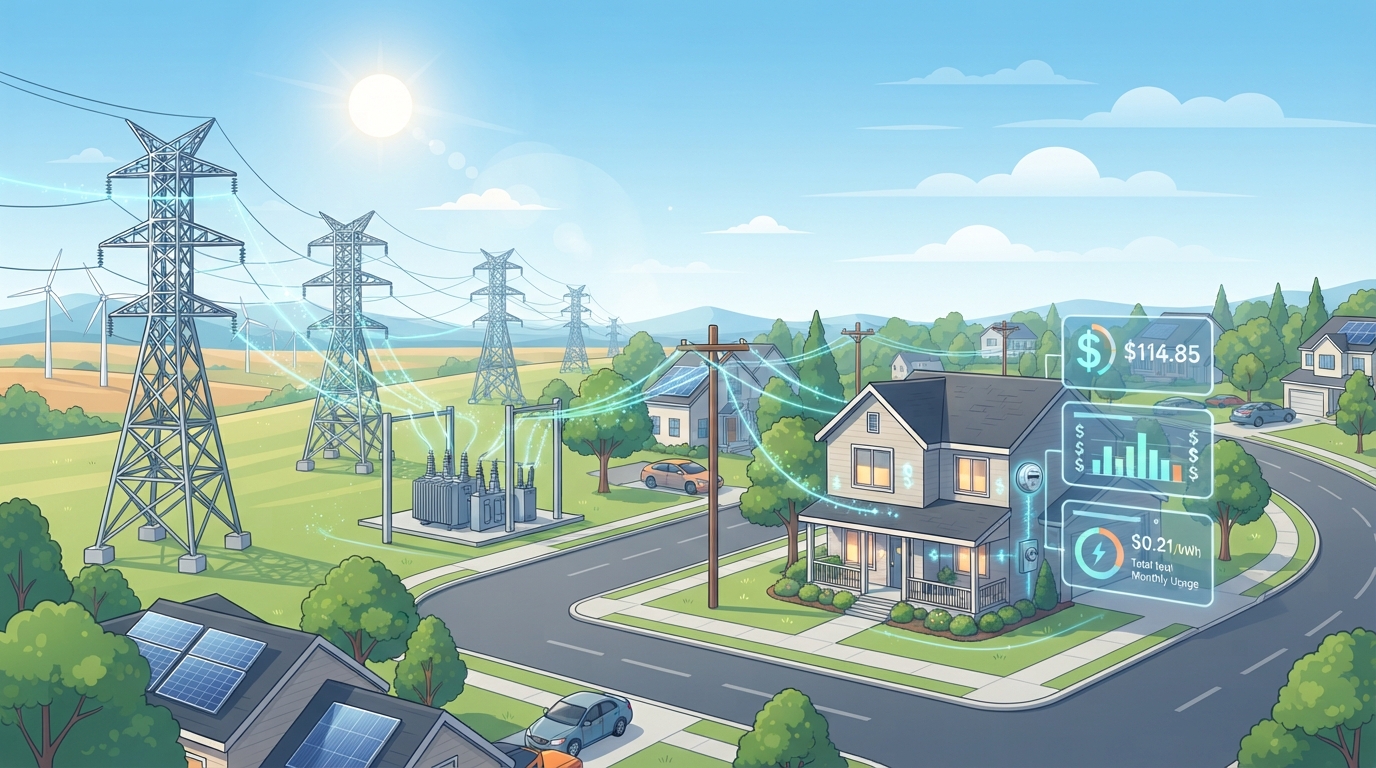
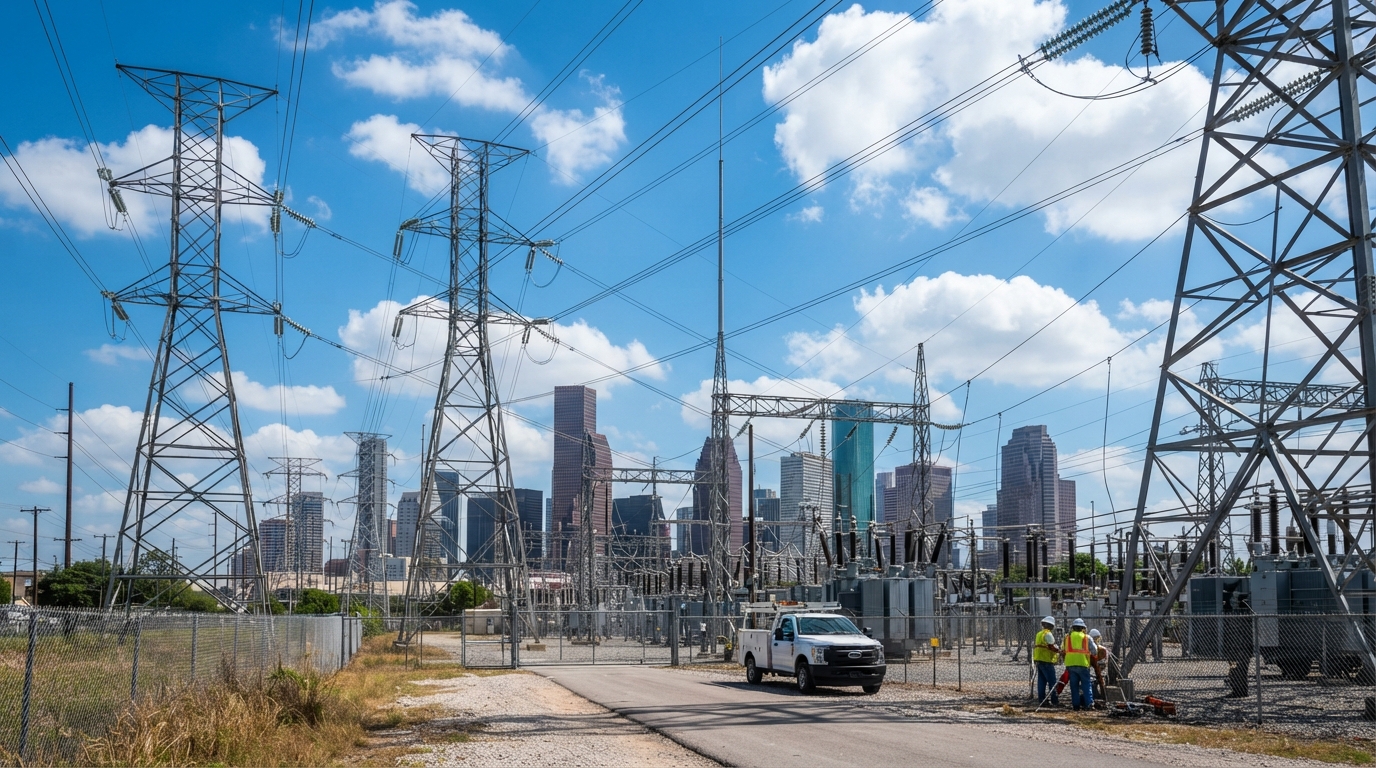
However, that electricity has to travel across physical infrastructure—poles, wires, transformers, and local substations—to reach your outlets. This is where Transmission and Distribution Utilities (TDUs) come into play. Companies like Oncor, CenterPoint Energy, AEP Texas, and TNMP own and maintain the physical grid in their respective service territories. Because they manage the infrastructure, they pass down regulated delivery costs to every consumer, no matter which REP you choose. Even if you opt for <a href=”https://electricityone.com/texas-prepaid-electricity/, these underlying utility costs are still factored into your billing structure.
Demystifying TDU Delivery Charges
Many consumers mistakenly believe that their energy provider is overcharging them when they see delivery fees spike or fluctuate. In reality, TDU delivery charges consist of two primary components mandated by the Public Utility Commission of Texas (PUCT), often mirroring the framework frequently analyzed when reviewing the state’s official power to choose portal data:
- A Fixed Monthly Base Charge: A flat fee assessed by the utility company simply for being connected to the local grid, covering meter reading, billing services, and maintaining local infrastructure.
- A Per-Kilowatt-Hour (kWh) Distribution Charge: A variable fee calculated based on the total amount of energy you draw through the lines during the billing cycle.
Because these rates are regulated by the state, your REP does not profit from them; they simply pass the exact utility tariff through to you on behalf of the TDU. When extreme weather hits Texas and strains the power grid, local utilities sometimes adjust their tariffs based on regulatory approvals, which can indirectly impact how these delivery costs scale with your consumption.
Why Choose ElectricityOne for Transparent Billing?
Finding a trustworthy energy partner shouldn’t be a guessing game. ElectricityOne stands apart in the Texas market through a meticulous provider selection process that ensures partnerships only with REPs offering substantial cost savings, transparent disclosure of all costs and fees, and long-term customer satisfaction. When you work with us, you benefit from:
- Over 20 years of dedicated experience serving Texas residences and businesses.
- Strict vetting of honest contract terms with zero hidden clauses.
- A commitment to absolute billing transparency so you always know what you are paying for.
- Dedicated support teams ready to help you navigate your options with confidence.
Protecting Your Wallet Through Bill Literacy
When you take the time to understand how your monthly energy statement is constructed, you protect yourself from unexpected financial surprises. By identifying what goes toward your energy supply versus what goes toward maintaining the local poles and wires, you can make smarter decisions about when and how you use power. Ready to switch to a transparent plan with no billing surprises? Call 1.844.567.2863 today to speak with our Texas energy billing experts.
Frequently Asked Questions
Can I choose a different utility company to lower my TDU delivery charges?
No. Transmission and Distribution Utilities are assigned strictly based on your geographic location in Texas. You cannot change your TDU, and every REP must pass along the exact same utility delivery charges for your specific address.
Why did my TDU delivery charges increase this month if my energy usage stayed the same?
TDU delivery rates are periodically reviewed and adjusted by state regulators and the utilities themselves to fund grid hardening, infrastructure updates, and storm recovery. These tariff adjustments can cause your delivery fees to change even if your personal kilowatt-hour consumption remains identical.
Are TDU charges included in the advertised rates on my contract?
Yes. Legitimate Texas energy plans incorporate both the REP supply charges and the estimated TDU delivery fees into the standardized pricing tiers found on the Electricity Facts Label (EFL), ensuring you see a comprehensive picture of your expected costs.