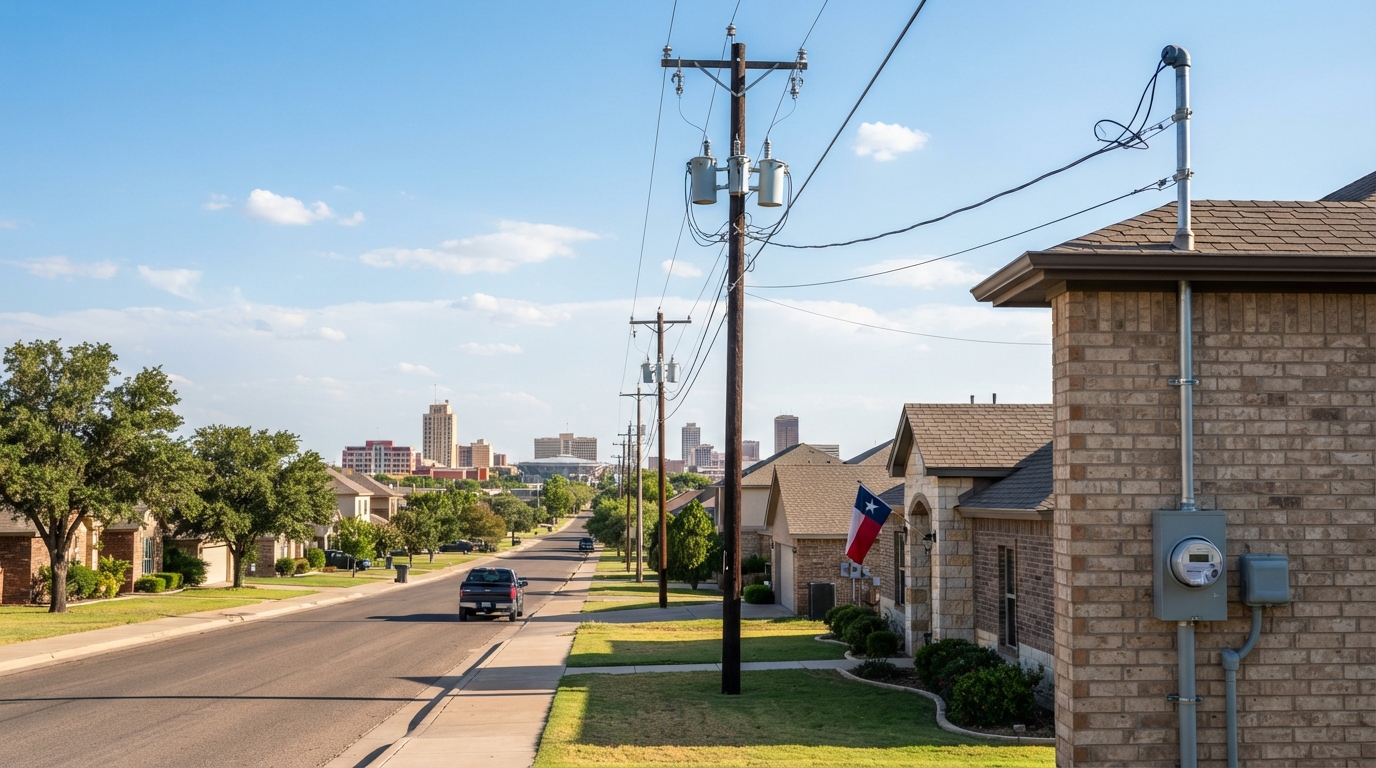
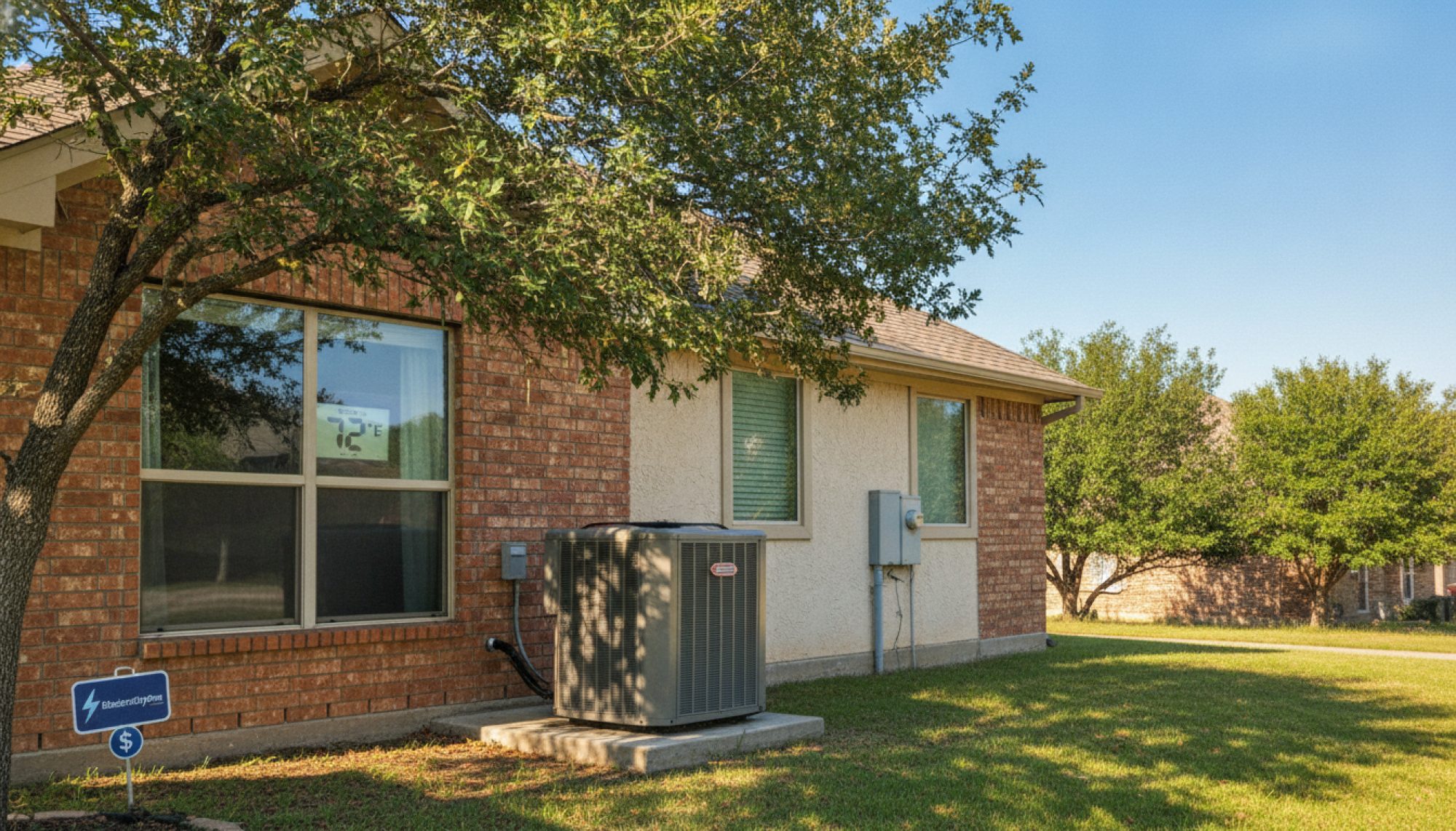
Ah, Texas summer. The season of scorching sun, relentless humidity, and the dreaded monthly electric bill that seems to climb higher with every degree. For homeowners, apartment dwellers, and families across the Lone Star State, keeping cool without breaking the bank is a constant challenge. Our air conditioners often run non-stop, putting immense strain on both our wallets and the ERCOT grid. But what if you could significantly reduce that burden?
At ElectricityOne, with over two decades of experience helping Texans manage their energy needs, we understand the unique realities of our climate. We’re here to equip you with actionable, authoritative strategies to beat the heat, keep your AC from working overtime, and most importantly, lower your residential electric bill this Texas summer.
Understanding the Texas Summer Challenge
Texas summers are legendary for their intensity. Sustained triple-digit temperatures, combined with high humidity, mean your air conditioning unit is arguably the hardest-working appliance in your home. This constant demand for cooling not only drives up your energy consumption but also strains the state’s power infrastructure. The good news is that many of the factors contributing to a high bill are within your control.
Smart Strategies to Beat the Heat (and Your Bill)
It’s time to move beyond simply cranking down the thermostat and hoping for the best. Here’s how to strategically manage your home’s energy use during the hottest months:
Optimize Your AC Usage and Maintenance
- Thermostat Discipline: While it’s tempting to set your thermostat to a frigid temperature, every degree lower significantly increases your energy consumption. Aim for a comfortable yet efficient setting, typically between 78-80°F when you’re home. When you leave, raise it a few degrees (e.g., 82-85°F). Programmable or smart thermostats can automate this, ensuring you’re not cooling an empty house.
- Regular Filter Changes: A dirty air filter restricts airflow, forcing your AC unit to work harder and consume more electricity. Check your filters monthly and replace them every 1-3 months, especially during peak summer.
- Professional Tune-Ups: Just like a car, your AC unit benefits from an annual check-up by a qualified technician. They can identify minor issues before they become costly breakdowns and ensure your system is running at peak efficiency.
Seal the Deal: Preventing Air Leaks
Your AC might be fighting a losing battle if your cool air is escaping and hot air is seeping in. Air leaks are major culprits for wasted energy.
- Weatherstripping and Caulk: Inspect windows and doors for gaps. Apply new weatherstripping and caulk where needed to create a tight seal.
- Insulation Check: Ensure your attic has adequate insulation. Heat rises, and a well-insulated attic acts as a barrier, preventing heat from radiating into your living spaces.
- Ductwork Inspection: Leaky ducts can lose a significant amount of cooled air before it even reaches your vents. Consider having your ductwork inspected and sealed by a professional.
Shade and Ventilation Solutions
- Strategic Landscaping: Plant trees or shrubs on the west and east sides of your home to provide natural shade, significantly reducing solar heat gain.
- Utilize Fans: Ceiling fans can make a room feel several degrees cooler without significantly impacting your electric bill. Use them in occupied rooms to circulate air, allowing you to set your thermostat a bit higher. Remember to turn them off when you leave the room.
- Block the Sun: Close blinds, curtains, or shades during the hottest parts of the day, especially on south and west-facing windows, to block solar radiation.
Appliance Awareness and “Vampire” Loads
Even small changes in how you use other appliances can add up.
- Off-Peak Usage: Many electricity plans have varying costs per kilowatt-hour depending on the time of day. Try to run heavy appliances like dishwashers, washing machines, and dryers during off-peak hours (typically late evening or early morning) when demand on the grid is lower.
- Unplug “Vampire” Electronics: Devices like phone chargers, TVs, and computers can still draw power even when turned off or in standby mode. Unplug them or use smart power strips to cut off power completely when not in use.
Implementing these strategies is a crucial first step when you’re looking for practical advice on how to lower residential electric bill in texas summer.
Accelerate Your Savings with ElectricityOne
While energy-saving habits are powerful, pairing them with the right electricity plan can accelerate your cost reductions dramatically. At ElectricityOne, we’re not just about tips; we’re about providing the foundation for lasting savings.
- 20+ Years of Expertise: We bring over two decades of experience providing reliable, quick, and courteous electric service for Texas homes and businesses.
- Connecting You to the Best: We’re a prominent platform that connects Texas residents with the finest Retail Electric Providers (REPs) in the state.
- Meticulous Provider Selection: Our rigorous process ensures we partner only with REPs that offer substantial cost savings, transparent disclosure of all costs and fees, and long-term satisfaction.
- Plans for Efficiency: We offer plans that perfectly complement an energy-efficient lifestyle, helping you maximize every kilowatt-hour saved.
The Ultimate Texas Summer Savings Strategy
Conquering your summer electric bill in Texas requires a two-pronged approach: smart energy-saving habits combined with a powerful, cost-effective electricity plan. By actively managing your home’s energy consumption and choosing a plan vetted by ElectricityOne, you gain control over your household overhead, ensuring comfort without financial stress.
Ready to maximize your savings with a better residential rate? Call 1.844.567.2863 today to speak with our home energy experts.
Frequently Asked Questions About Texas Residential Energy Savings
What’s the ideal thermostat setting for Texas summers?
While personal comfort varies, a general recommendation for energy efficiency is to set your thermostat to 78-80°F when you are home. Raising it to 82-85°F when you are away can significantly reduce your cooling costs without sacrificing comfort during occupied hours.
How often should I perform AC maintenance?
You should change or clean your AC’s air filter every 1-3 months, especially during heavy usage periods like summer. Additionally, scheduling a professional AC tune-up once a year, ideally in the spring before the intense heat sets in, can ensure your system runs efficiently and prevent unexpected breakdowns.
Do smart thermostats really save money?
Yes, smart thermostats can provide substantial savings. They learn your habits, optimize temperature settings, allow for remote control, and can integrate with weather forecasts, ensuring your AC only runs when needed. This intelligent management prevents wasted cooling and helps lower your overall energy consumption.