It’s no secret: Texas summers are brutal, and so are the electricity bills that come with them. As the mercury climbs and your AC unit works overtime, many Texans find themselves dreading the arrival of their monthly statement. But what if you could keep your cool without constantly cringing at your energy usage? The good news is, with a few strategic adjustments and a smart approach, you absolutely can make a significant dent in your summer energy costs. This article will show you exactly how to lower residential electric bill in texas summer by focusing on practical, actionable steps to take the pressure off your AC and your wallet.
Understanding the Texas Summer Energy Challenge
Living in Texas means contending with some of the most extreme summer conditions in the nation. Triple-digit temperatures, relentless humidity, and the sheer necessity of air conditioning put immense strain not just on individual household budgets but also on the state’s ERCOT grid. Our AC units become indispensable, often running for hours on end, which translates directly into higher kilowatt-hour consumption. For Texas homeowners, apartment renters, and families, understanding this unique energy landscape is the first step toward reclaiming control over your household overhead.
Smart Strategies to Tame Your AC’s Appetite
Your air conditioner is likely the biggest energy consumer in your home during the summer. By implementing these tips, you can reduce its workload and significantly impact your monthly bill.
Thermostat Zen: Finding Your Sweet Spot
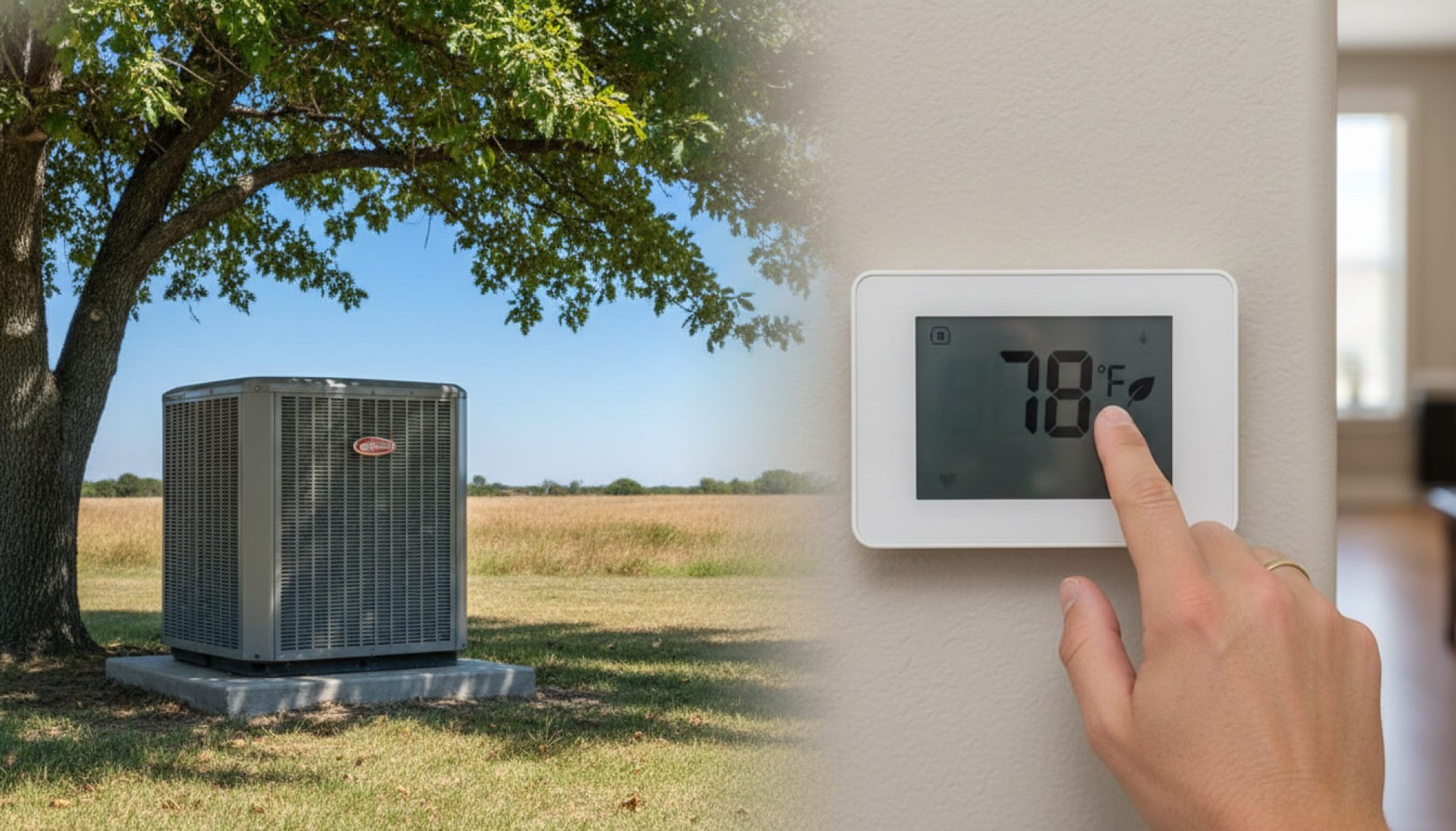
- Go Programmable or Smart: Invest in a programmable or smart thermostat. These devices allow you to set schedules that automatically adjust temperatures when you’re away or asleep, preventing your AC from cooling an empty house. Many smart thermostats can even learn your habits and adjust accordingly.
- Find Your Comfort Zone: While it’s tempting to blast the AC, every degree you raise your thermostat in the summer can lead to noticeable savings. Experiment to find the highest temperature that still feels comfortable for your household, typically between 78-80 degrees Fahrenheit when you’re home.
- Resist the Urge to Overcool: Turning your thermostat down extra low won’t cool your house faster; it will just make your AC run longer and consume more energy to reach an unnecessarily low temperature.
Seal the Deal: Blocking Out the Heat
Air leaks are silent energy thieves, allowing hot air to seep in and cool air to escape. Sealing these gaps is one of the most cost-effective improvements you can make.
- Caulk and Weatherstrip: Inspect windows and doors for gaps. Apply caulk to stationary cracks and use weatherstripping around movable parts.
- Door Sweeps: Install door sweeps under exterior doors to prevent air from leaking underneath.
- Insulation Check: Ensure your attic and walls have adequate insulation. Proper insulation acts as a barrier against the scorching Texas sun.
Window Wisdom: Managing Solar Gain
Windows are major culprits for heat gain. Up to 76% of the sunlight that falls on standard double-pane windows enters a home as heat.
- Close Blinds and Curtains: Keep blinds, shades, and drapes closed during the hottest parts of the day, especially on south and west-facing windows.
- Consider Reflective Films: Window films can block a significant amount of solar heat while still allowing light to enter.
- Exterior Shading: Awnings, pergolas, or even strategically planted shade trees can dramatically reduce the heat absorbed through windows.
Appliance Awareness: Unplugging Power Hogs
Many appliances continue to draw power even when turned off, a phenomenon known as