If you have ever stared at your monthly electricity bill in Texas and wondered why two entirely different company names are listed, you are certainly not alone. Many residents lock in a predictable contract like the SimpleSaver 12 from a Retail Electric Provider (REP) like APG&E, only to see a local utility truck rolling down their street to service the power lines. Navigating the deregulated market means understanding how your power is generated, sold, and delivered. At ElectricityOne, we bring over 20 years of experience providing reliable, quick, and courteous electric service for Texas homes and businesses, helping you make sense of every line item on your statement.
Provider vs. Utility: Who Does What on the ERCOT Grid?
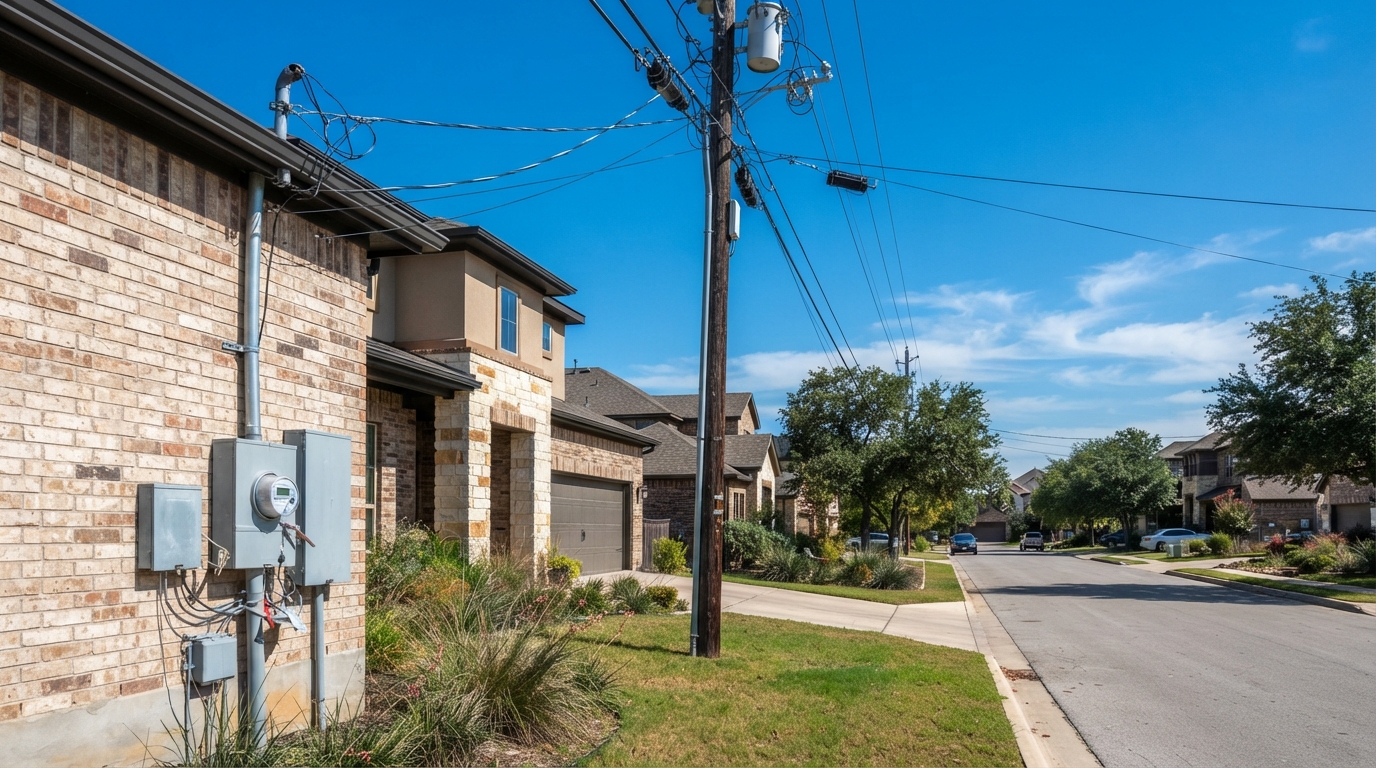
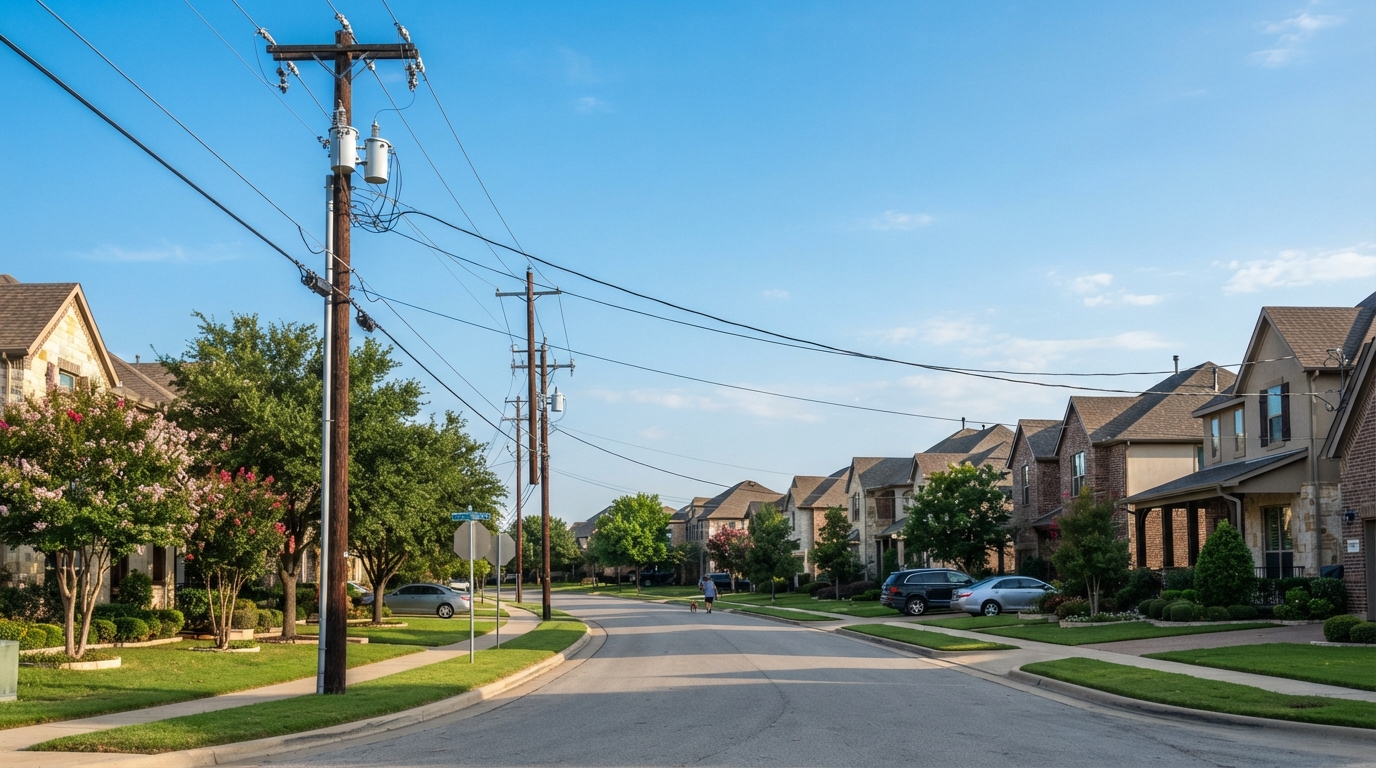
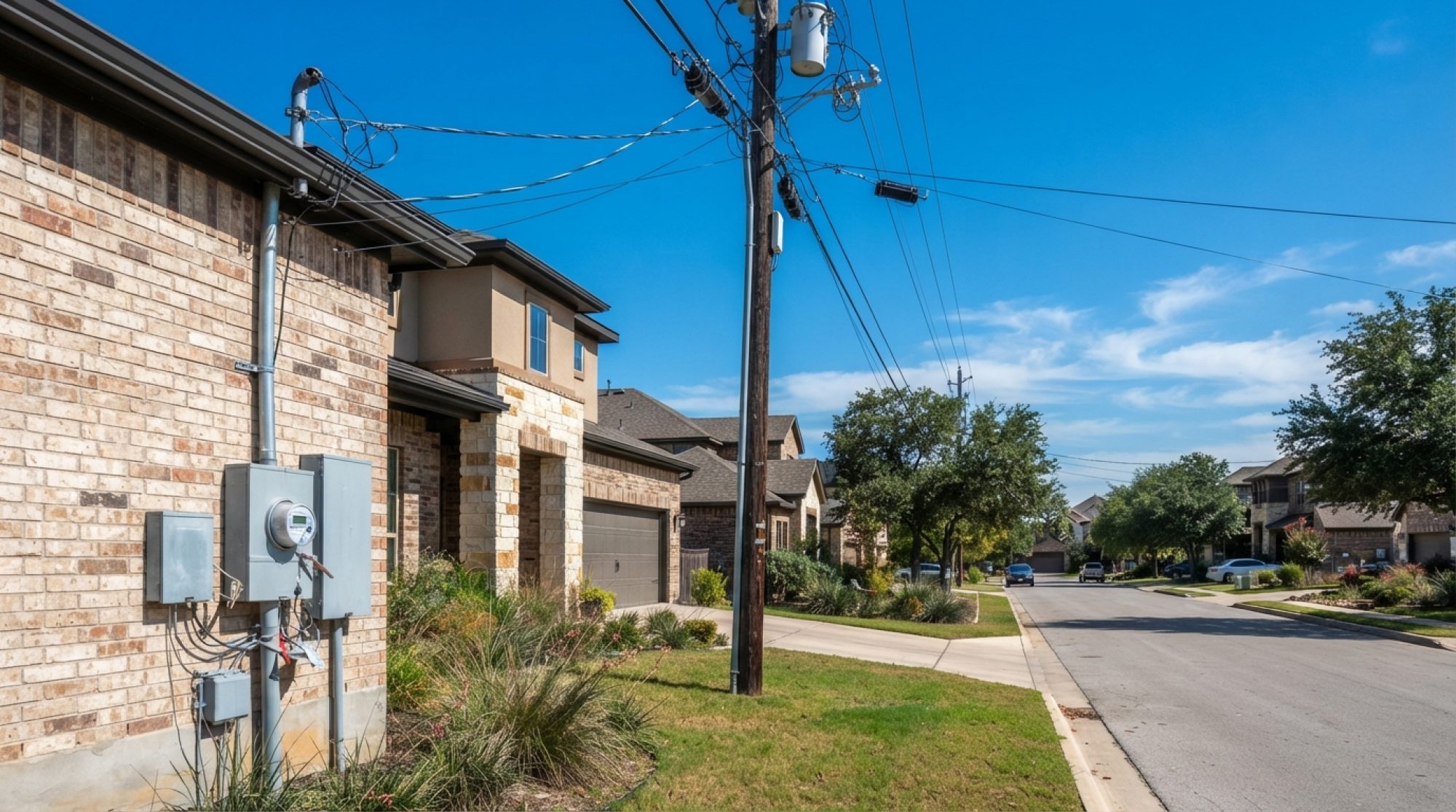
To master your monthly power expenses, it helps to look at the clear distinction between the company that sells you energy and the entity that maintains the physical infrastructure. When you compare plans for electricity Houston or look into electricity dallas, you are shopping for a Retail Electric Provider. Your chosen REP manages your customer service, billing, and retail pricing structure. Meanwhile, your local Transmission and Distribution Service Provider (TDSP)—often called a TDU—owns and operates the physical poles, wires, transformers, and smart meters that bring electricity directly to your doorstep.
Texas TDSP Delivery Charges Explained
One of the most common points of confusion for consumers revolves around texas tdsp delivery charges explained. Regardless of whether you choose a fixed-rate structure, a plan featuring tiered usage bill credits, or even alternative options like prepaid electric service, your local utility company charges a fee to transport the electricity across the grid. These delivery fees are strictly regulated by the Public Utility Commission of Texas (PUCT). They consist of a fixed monthly charge and a per-kilowatt-hour pass-through fee that your REP simply collects on behalf of the utility without any added markup.
The Six Major Texas Utilities
The ERCOT grid is divided into distinct service territories, each managed by a specific utility provider:
- Oncor Electric Delivery: Serving North and West Texas, including Dallas-Fort Worth.
- CenterPoint Energy: Powering the Greater Houston metropolitan area.
- AEP Texas (Central and North): Covering vast portions of West, South, and parts of North Texas.
- Texas-New Mexico Power (TNMP): Operating in various non-contiguous pockets across the state.
- Lubbock Power & Light (LP&L): The newly integrated sixth major player that transitioned into the competitive market.
Whether you need residential service or robust business electricity plans, your location strictly determines your assigned TDSP.
Why ElectricityOne is Your Trusted Guide
At ElectricityOne, our meticulous provider selection process ensures we only partner with top-tier REPs that offer substantial cost savings, transparent disclosure of all costs and fees, and long-term customer satisfaction. Here is how we help you navigate the market:
- Leveraging over two decades of industry expertise to simplify your energy choices.
- Connecting residents and commercial clients with elite REPs like APG&E across all six major TDSP zones.
- Providing clear insights into the power to choose framework, ensuring you understand both your energy supply rate and your local utility delivery obligations.
Ready to find the best energy plan for your specific utility delivery area? Call 1.844.567.2863 today to speak with our Texas energy experts.
Frequently Asked Questions
Can I choose my local TDSP utility company?
No. Your TDSP is assigned geographically based on your physical property address. You cannot switch utility companies, but you can freely choose and switch your Retail Electric Provider.
Why do I have to pay TDSP delivery charges if my plan is fixed?
Fixed-rate plans guarantee the price you pay for your energy supply, but they do not eliminate the cost of transporting that energy across the physical wires, which is handled and billed by your local utility.
Who do I call if my power goes out?
You should always contact your local TDSP (such as Oncor or CenterPoint) directly to report an outage or downed power line, as they are the ones responsible for repairing the physical grid infrastructure.
 for Maximum Savings](https://electricityone.com/wp-content/uploads/2026/11/Mastering-Your-lpl-delivery-residential-service-areahttpselectricityone.com-for-Maximum-Savings.jpg)