If you live in South Texas—from the coastal breeze of Corpus Christi to the bustling border communities of Laredo, McAllen, Harlingen, and Victoria—you have likely noticed line items on your monthly energy bill labeled for transmission and distribution. Navigating the deregulated Texas electricity market can feel complex when attempting to distinguish between what you pay for energy generation and what you pay to deliver that electricity to your home. Understanding how aep texas central delivery charges work is essential for every household and business owner looking to manage utility overhead effectively across this expansive 44,000-square-mile service territory.
Understanding the Difference Between Your REP and AEP Central
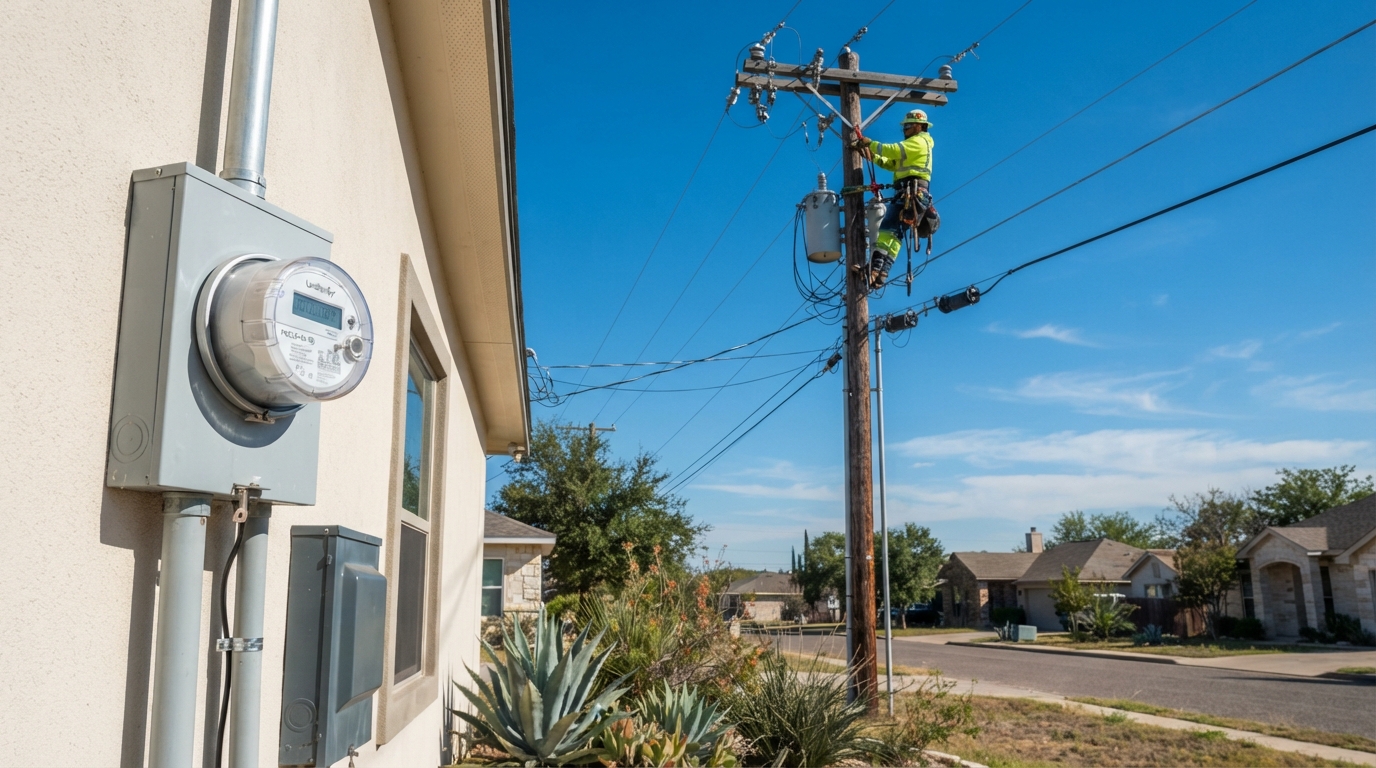
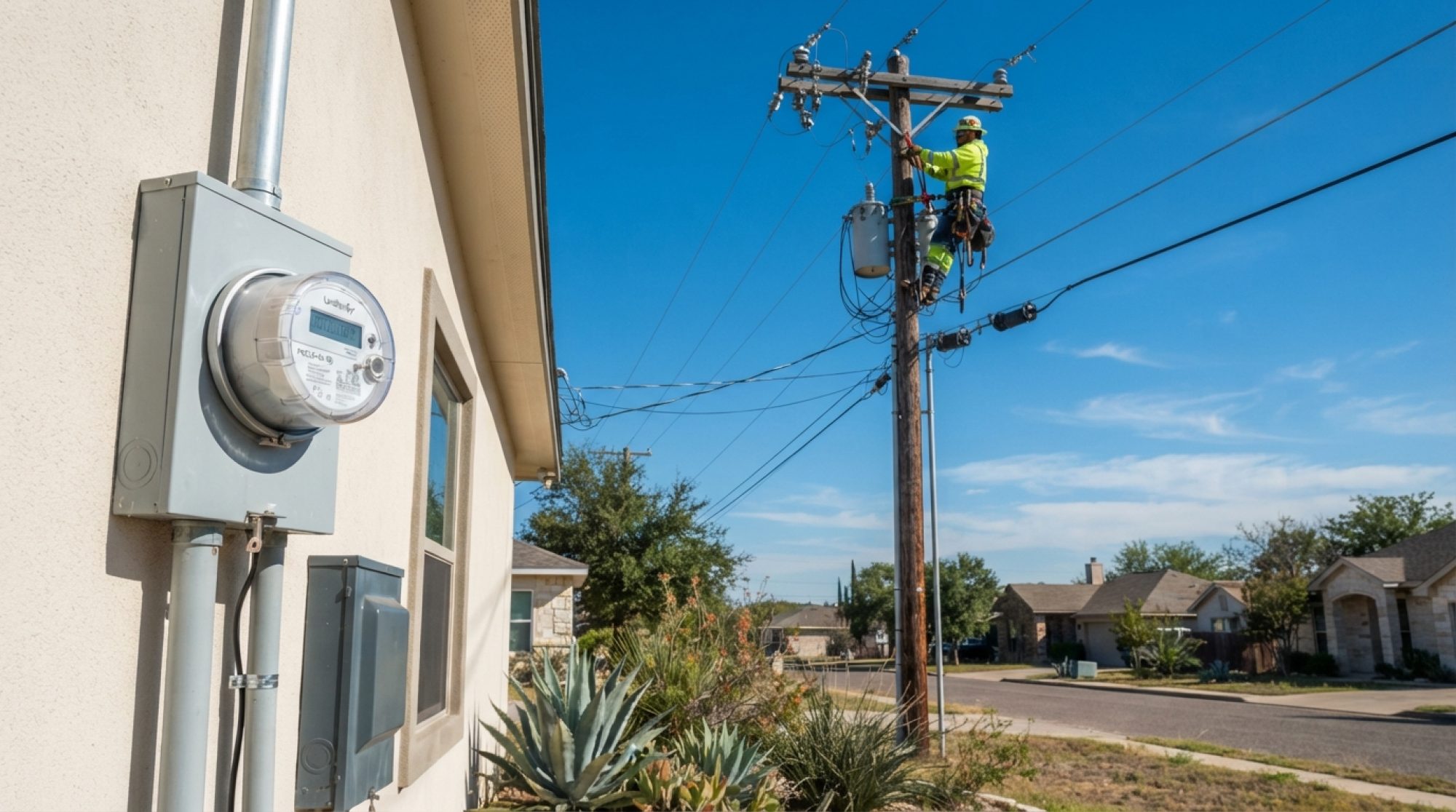
To make sense of your monthly energy statement, it helps to understand the distinct roles played by your Retail Electric Provider (REP) and your local Transmission and Distribution Service Provider (TDSP). In South Texas, AEP Central acts as the regulated utility responsible for maintaining physical energy infrastructure. They build and maintain high-voltage power lines, repair damaged transformers, replace poles, and operate smart electricity meters across the Rio Grande Valley and coastal plains.
Conversely, your Retail Electric Provider buys power on the wholesale market and sells it to you. Whether you are setting up household utilities or comparing commercial rates for business electricity plans, your chosen REP manages your account, sends your bill, and handles customer support. AEP Central delivers the electricity regardless of which retail company you choose to buy your power from.
What Are AEP Texas Central Delivery Charges?
Delivery charges represent the cost of transmitting power from generation facilities across hundreds of miles of transmission wires directly to your circuit breaker. These fees are regulated and approved by the Public Utility Commission of Texas (PUCT). Every retail provider operating within the AEP Central service territory passes these identical, standard delivery fees through to the end consumer without markup.
AEP Central delivery billing typically consists of two distinct components:
- Fixed Customer Charge: A standard monthly account fee that remains constant regardless of how much power your household consumes.
- Volumetric Distribution Charge: A usage-based delivery assessment applied to every kilowatt-hour (kWh) of electricity passed through your meter during the billing cycle.
Comparing Energy Plans Beyond Delivery Fees
Because delivery fees are set by state regulators and remain identical across all energy companies in South Texas, your opportunity for financial savings comes down to selecting the right energy rate and contract structure from a retail provider. Rather than relying solely on generic state listing sites like power to choose, smart consumers look for vetted platforms that offer complete transparency regarding pass-through utility fees.
Just as residents shopping for electricity Houston services or searching for electricity dallas options encounter standard local utility delivery charges from CenterPoint or Oncor, South Texas energy users must account for AEP Central fees when selecting a rate structure. Even consumers opting for flexible arrangements like prepaid electric service will see these same regulated distribution charges reflected in their daily usage calculations.
Why South Texas Residents Trust ElectricityOne
At ElectricityOne, we simplify the deregulation process so you can select a energy plan with absolute clarity and peace of mind.
- Over 20 Years of Market Leadership: Two decades of hands-on experience helping Texas homes and commercial properties navigate deregulated utility zones with confidence.
- Vetted Retail Electric Providers: A meticulous provider selection process ensuring partnerships only with top-tier REPs offering transparent contract terms.
- Upfront Fee Transparency: Complete clarity on all pass-through utility charges so you never face unexpected billing surprises.
- Dedicated Regional Support: Personalized assistance crafted specifically for electricity shoppers located across the AEP Central territory.
Reading Your Bill and Knowing Who to Call
When you review your monthly bill, you will see your retail provider’s supply rate listed alongside AEP Central’s regulated delivery fees. Combining these elements provides your total cost of service. Recognizing this distinction is equally important during weather disruptions or emergency situations. If a sudden storm damages power lines in Corpus Christi or causes localized outages in Laredo, contacting your retail electricity supplier will not speed up repairs. Instead, you must report outages or dangerous downed power lines directly to AEP Central’s emergency dispatch center for immediate field service response.
Ready to find the best energy plan for your AEP Central delivery area? Call 1.844.567.2863 today to speak with our Texas energy experts.
Frequently Asked Questions
What are AEP Texas Central delivery charges?
They are state-regulated pass-through fees approved by the PUCT to cover the operational costs of maintaining South Texas power lines, poles, substations, and electrical meters.
Can I lower my AEP Central delivery charges by switching companies?
No, delivery fees are uniform across all retail electric providers within the AEP Central service territory. However, you can significantly reduce your total bill by shopping for lower retail electricity supply rates.
Who should I contact during a power outage in South Texas?
You should contact AEP Central directly to report power outages, fallen utility lines, or emergency electrical hazards, as they own and repair the physical grid infrastructure.