
Are you a Texas resident tired of deciphering a multi-page electric bill that feels more like a cryptic puzzle than a clear statement of services? You’re not alone. In Texas’s deregulated energy market, understanding exactly what you’re paying for can be a challenge. Many Texans find themselves scratching their heads over line items, especially when it comes to the charges that aren’t directly from their chosen Retail Electric Provider (REP). Today, we’re pulling back the curtain on one of the most common sources of confusion: the Transmission and Distribution Utility (TDU) delivery charges.
Decoding Your Texas Electric Bill: REP vs. TDU
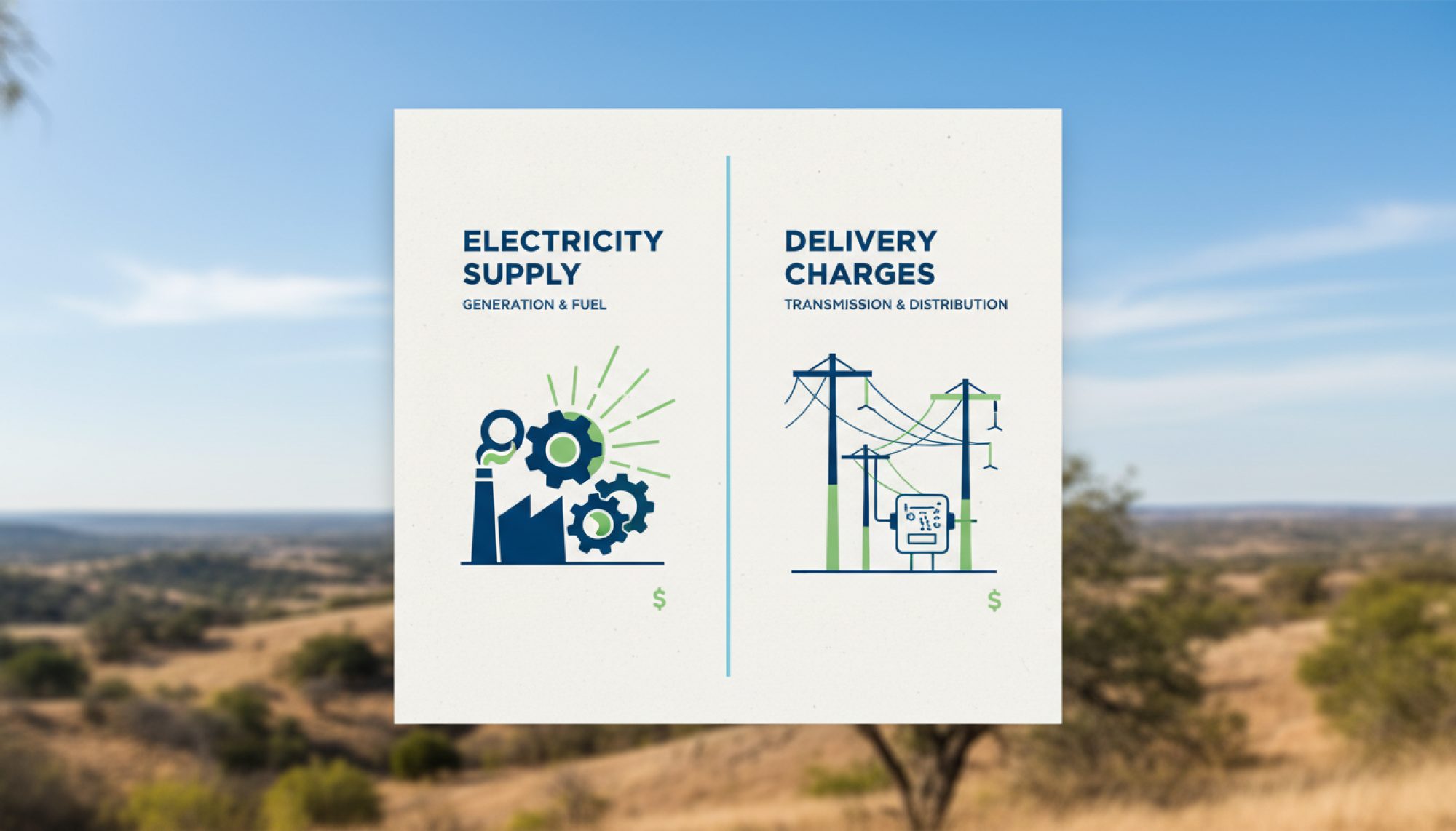
Your Texas electric bill is essentially a tale of two distinct services, provided by two different entities. On one hand, you have your Retail Electric Provider (REP), the company you chose for your electricity plan. They are responsible for the supply of electricity and manage your account, billing, and customer service. On the other hand, there are the Transmission and Distribution Utilities (TDUs), which are the companies that own and maintain the physical poles, wires, and meters that deliver electricity to your home or business. These TDUs operate in specific regions – think names like Oncor, CenterPoint Energy, AEP Texas, or TNMP – and their services are state-regulated.
The critical distinction is this: while you choose your REP, you cannot choose your TDU. Your TDU is determined by your geographic location, and their charges appear on your bill regardless of which REP you select.
Spotting the Core Differences: Supply vs. Delivery
To truly understand your monthly statement, it’s essential to differentiate between what you pay for the actual electricity you consume (supply) and what you pay for the infrastructure that gets it to you (delivery).
Retail Electric Provider (REP) Charges:
These are the costs associated with the electricity itself. This typically includes:
- Energy Charge: This is the core cost for the electricity you use, often measured in cost per kilowatt-hour (kWh). Your REP sets this price based on your chosen plan (e.g., fixed-rate, variable-rate, tiered).
- Base Fees: Some REPs may include a fixed monthly charge regardless of usage.
- Other REP-specific fees: These could include minimum usage fees or charges for specific services offered by your REP.
Transmission and Distribution Utility (TDU) Delivery Charges:
These charges cover the operation and maintenance of the vast electrical grid that brings power to your property. TDUs are natural monopolies regulated by the Public Utility Commission of Texas (PUCT), meaning their rates are approved by the state. These charges are passed through by your REP directly to you, without any markup. Common TDU charges include:
- Fixed Monthly Charge: A flat fee applied each billing cycle to cover basic service costs.
- Usage-Based Delivery Charge: A charge per kilowatt-hour for the use of the TDU’s lines and equipment.
- Meter Reading Charge: A fee for the TDU to read your meter.
- Storm Restoration Surcharges: Occasional charges to cover costs associated with repairing damage from severe weather.
When you’re trying to gain a full understanding of your electric bill, differentiating these two categories is paramount. Your REP’s portion is what you can influence by choosing a different plan or provider, while the TDU charges are a constant, regulated component that will appear no matter who your REP is. For more detailed insights into all aspects of your energy statement, including a comprehensive guide on understanding tdu delivery charges on electric bill, explore our resources.
ElectricityOne: Your Partner in Energy Transparency
At ElectricityOne, we believe that every Texan deserves complete clarity over their energy expenses. With over 20 years of experience providing reliable, quick, and courteous electric service for Texas homes and businesses, we’ve seen firsthand the confusion that opaque billing can cause.
- 20+ Years of Expertise: Deep understanding of the Texas energy market and consumer needs.
- Strict Vetting of REPs: We partner only with providers committed to honest contract terms and transparent disclosure of all costs and fees.
- Commitment to Clarity: Our platform is designed to connect you with REPs that offer not just substantial cost savings, but also absolute bill clarity and long-term satisfaction.
Empowering Your Energy Choices
By understanding the distinct roles of your REP and your TDU, and by recognizing the separate charges on your bill, you empower yourself to make more informed energy decisions. This knowledge protects you from unexpected charges and helps you accurately compare plans from different Retail Electric Providers. Remember, a lower energy charge from one REP might still result in a similar total bill if another REP’s TDU pass-through charges are higher due to regional differences (though TDU charges are standardized within a TDU’s service territory for all REPs). Knowing these components means you can scrutinize your bill, question discrepancies, and ultimately, gain complete control over your monthly energy statement.
Ready to switch to a transparent plan with no billing surprises? Call 1.844.567.2863 today to speak with our Texas energy billing experts.
Frequently Asked Questions
Q1: Can I choose my TDU in Texas?
A1: No, your Transmission and Distribution Utility (TDU) is determined by your geographic location and is a regulated entity. You cannot choose your TDU; their charges will appear on your bill regardless of which Retail Electric Provider (REP) you select.
Q2: Why do TDU charges appear on my REP’s bill?
A2: Your Retail Electric Provider (REP) acts as a pass-through for the TDU charges. The TDU bills your REP for the use of their infrastructure, and your REP then includes these regulated costs on your monthly statement without any markup, ensuring a single, consolidated bill for you.
Q3: Are TDU charges the same for all Texans?
A3: TDU charges are standardized within a specific TDU’s service territory. However, charges can vary between different TDUs (e.g., Oncor’s charges may differ from CenterPoint’s). Within a single TDU’s service area, all Retail Electric Providers pass through the same approved TDU rates to their customers.