When you sign up for an energy plan in Texas, you might select an acclaimed Retail Electric Provider (REP) like Frontier Utilities to handle your supply charges. Yet, when severe weather hits or an emergency repairs worker arrives, you will see trucks marked with names like Oncor or CenterPoint Energy. This division of roles often leads Texas homeowners and business owners to ask: what is a transmission and distribution service provider and how does their job differ from the retail provider listed on your billing statement?
Understanding the distinction between your chosen REP and your assigned Transmission and Distribution Service Provider (TDSP, also referred to as a TDU) is essential for navigating the deregulated Texas energy market. While your REP buys electricity on the wholesale market and establishes your retail supply rate, your local utility physically moves that energy across miles of infrastructure directly to your home or business.
Provider vs. Utility: Defining the Key Differences
In deregulated areas governed by the Electric Reliability Council of Texas (ERCOT), the responsibility of powering your property is divided between two distinct entities: the company that sells you power and the company that manages the grid infrastructure.
Retail Electric Providers (REPs)
Your Retail Electric Provider is the customer-facing company you choose to manage your account, issue monthly statements, and lock in your energy generation supply rate. Top-tier providers offer a wide range of products designed to give consumers predictability and financial control over their power bills. For example, enrolling in a long-term plan like the Frontier Saver Premier 24 plan allows you to secure your electricity supply rate for a full two years, protecting your household budget from wholesale volatility. Additionally, consumers exploring flexibility can evaluate alternatives such as prepaid electric service or compare commercial offerings like tailored business electricity plans through independent platforms.
Transmission and Distribution Service Providers (TDSPs)
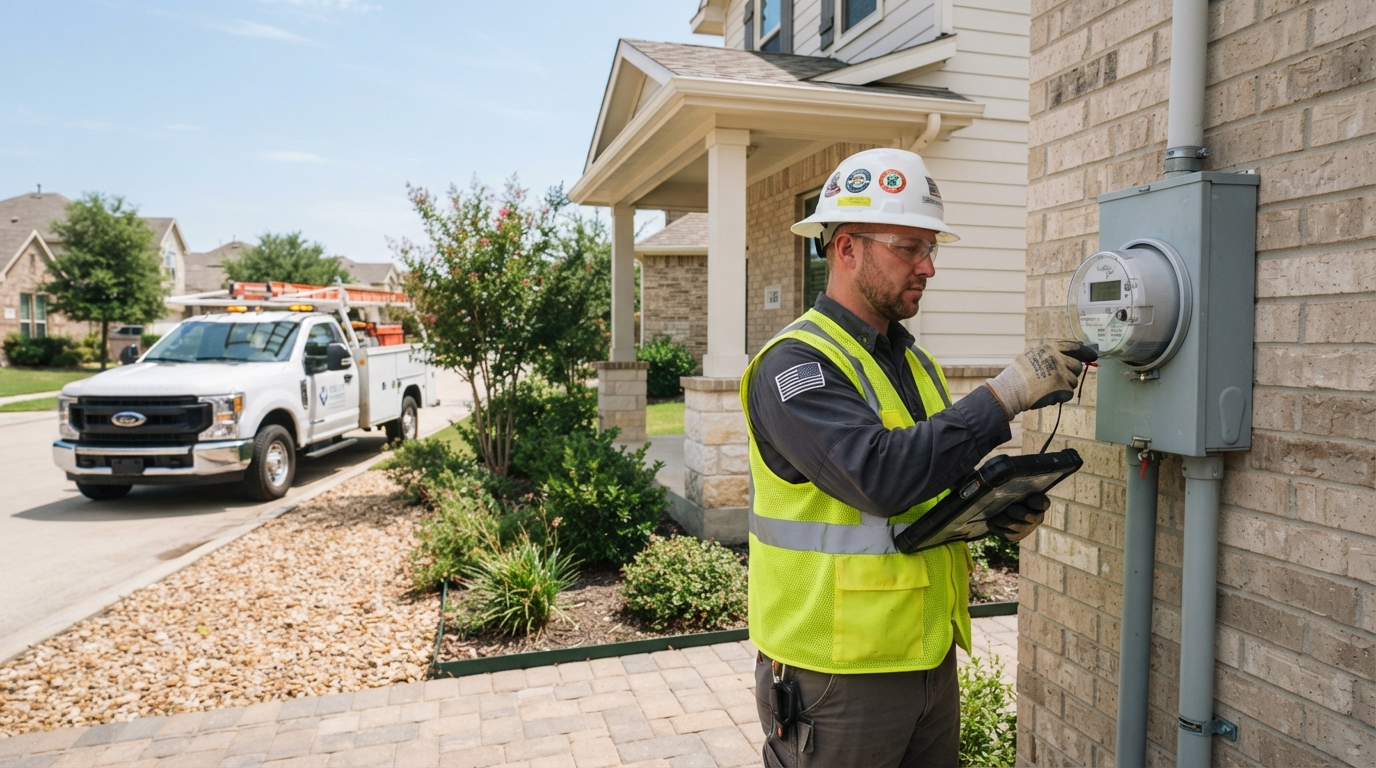
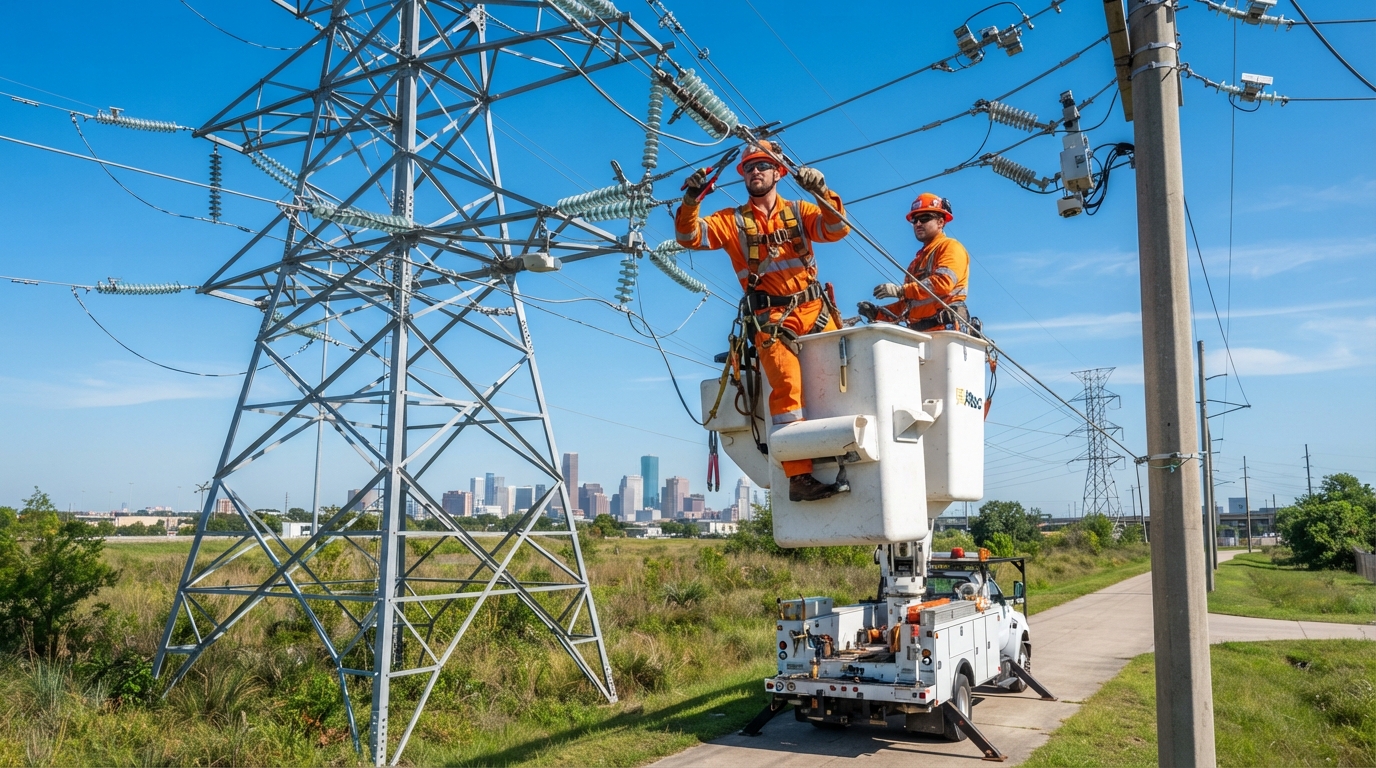
Unlike your REP, you do not get to pick your TDSP. Your utility is determined strictly by geographical boundaries. The TDSP owns and maintains the physical poles, power lines, transformers, and smart electricity meters in your area. They handle line maintenance, emergency power restoration, and meter reading. Whether you are searching for competitive electricity Houston options or setting up residential service with reliable electricity dallas plans, the delivery infrastructure remains under the sole jurisdiction of your regional utility.
The Six Major Texas TDSP Service Territories
Every deregulated property in ERCOT falls into one of six major utility delivery regions. While you can use shopping tools inspired by the state’s official power to choose portal to select your electricity seller, your physical power delivery is managed by one of these regulated utilities:
- Oncor Electric Delivery: Serves the Dallas-Fort Worth metroplex, North Texas, and parts of West Texas.
- CenterPoint Energy: Manages the transmission network for the greater Houston metropolitan area and surrounding Gulf Coast communities.
- AEP Texas Central: Covers major portions of South Texas, including Corpus Christi, McAllen, and Laredo.
- AEP Texas North: Delivers infrastructure services to West Texas communities such as Abilene and San Angelo.
- Texas New-Mexico Power (TNMP): Manages non-contiguous service territory segments across North, West, and Gulf Coast regions.
- Lubbock Power & Light (LP&L): Represents the latest major municipality to enter the competitive Texas market, granting local residents the freedom to select private REPs while LP&L maintains local grid infrastructure.
How Delivery Charges Appear on Your Energy Bill
Regardless of which competitive provider secures your electricity rate, your monthly statement includes two primary financial components: the retail supplier’s charge for the energy supply you consume, and the regulated TDSP delivery charges. The Public Utility Commission of Texas (PUCT) regulates these utility delivery tariffs, which cover grid repairs, smart meter maintenance, and line operation expenses. These pass-through costs are collected by your REP on behalf of the TDSP and passed through directly without markup.
Why Choose ElectricityOne for Your Texas Energy Needs
Navigating utility zones and provider contracts can feel complex, but ElectricityOne simplifies the entire process. As a trusted platform dedicated to helping Texas consumers select the ideal provider for their home or enterprise, ElectricityOne delivers clear, reliable energy guidance.
- 20+ Years of Industry Experience: Providing reliable, quick, and courteous electric guidance for Texas homes and businesses for over two decades.
- Curated Provider Partnerships: A meticulous provider selection process ensures partnerships only with REPs that demonstrate long-term customer satisfaction and offer competitive fixed-rate plans.
- Transparent Pricing: Clear breakdowns that explain utility pass-through delivery fees, base charges, and energy generation rates upfront.
- Statewide Coverage: Full support across all six major Texas TDSP delivery regions, enabling seamless enrollment regardless of your location.
Streamline Your Power Plan Today
Understanding the distinction between your utility provider and your retail supplier empowers you to make informed decisions for your home or business. While your local TDSP keeps the power flowing reliably through physical wires, choosing a respected REP like Frontier Utilities ensures stability over your monthly supply costs.
Ready to find the best energy plan for your specific utility delivery area? Call 1.844.567.2863 today to speak with our Texas energy experts.
Frequently Asked Questions
Can I choose or switch my TDSP in Texas?
No. Your TDSP is determined purely by physical geography based on where your home or business is located. You can choose your Retail Electric Provider, but your utility delivery company is fixed by service territory.
Who do I call if my power goes out during a storm?
You should contact your local Transmission and Distribution Service Provider (such as Oncor, CenterPoint, or AEP), not your retail electric provider. Your TDSP dispatches emergency repair crews to fix lines and restore service to your neighborhood.
Why do TDSP charges show up on my monthly electric bill?
TDSP charges cover the regulated costs of building, maintaining, and repairing the physical power grid, power lines, and smart meters. Your Retail Electric Provider collects these pass-through fees on behalf of the utility and forwards them directly to the TDSP.