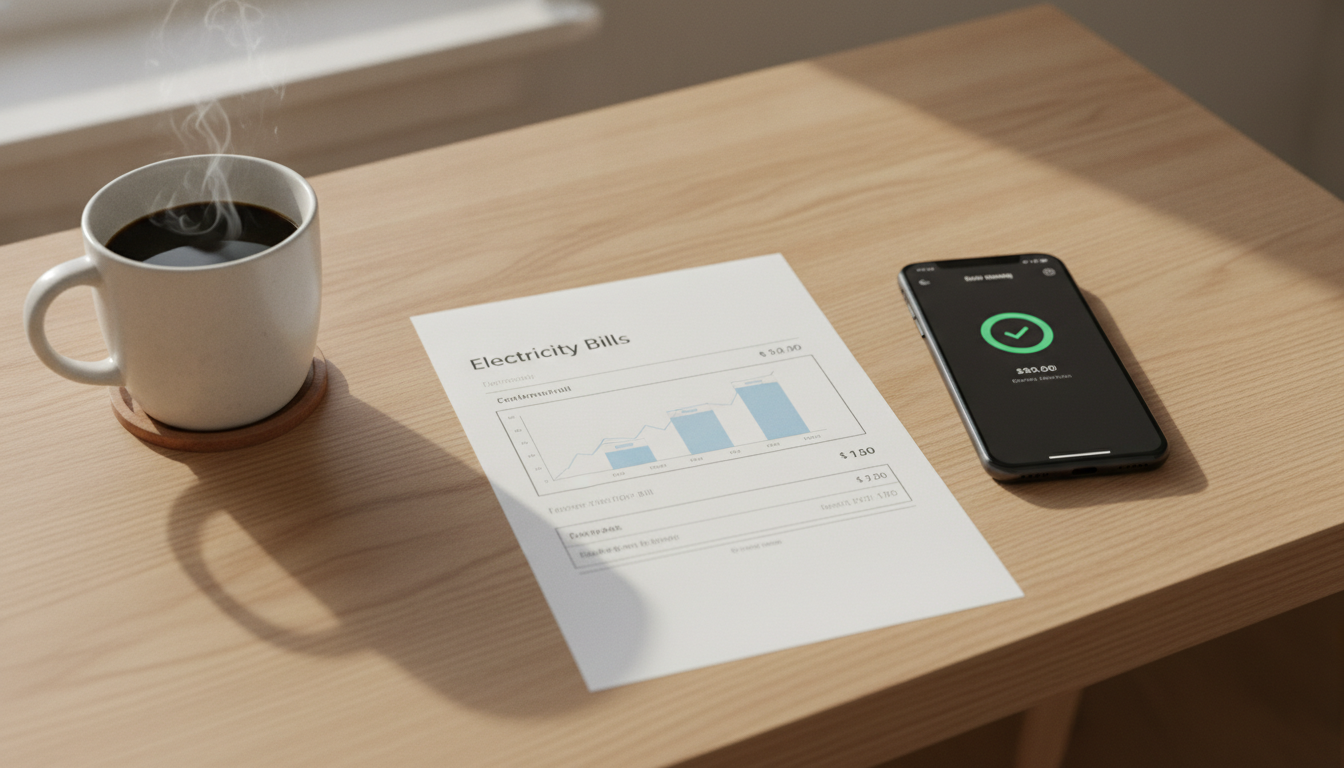

Navigating the vast landscape of Texas electricity providers can feel like a daunting task, especially when every offer promises incredible savings. For many Texans, the dream of securing truly affordable power quickly turns into a nightmare of hidden fees and unexpected bill spikes. The key to unlocking genuine savings and finding reliable service lies not just in comparing advertised rates, but in understanding the fine print that governs your energy costs.
Texas operates under a deregulated energy market, a system designed to give consumers the power to choose their Retail Electric Provider (REP). While this offers unparalleled freedom, it also places the responsibility on you, the consumer, to carefully evaluate your options. The Public Utility Commission of Texas (PUCT) oversees this market, and their official Power to Choose website is a central hub for comparing plans. However, simply looking at the headline price isn’t enough. The real insights are found within a crucial document: the Electricity Facts Label (EFL).
Decoding the Electricity Facts Label (EFL) for Real Savings
The Electricity Facts Label (EFL) is a standardized document that every REP is legally required to provide for each plan offered. Think of it as the nutritional label for your electricity plan, detailing all the essential information you need to make an informed decision. Ignoring it is like buying groceries without checking ingredients or prices per unit – you might end up paying more than you expect.
What to Look For in Your EFL: Beyond the Advertised Rate
- Energy Charge (Cost Per Kilowatt-Hour): This is the core price your REP charges for the electricity itself. However, be wary of plans that show different rates for different usage tiers (e.g., one rate for 0-500 kWh, another for 501-1000 kWh, and so on). Your effective rate can change dramatically based on how much power you consume.
- Base Charges and Minimum Usage Fees: Some plans include a fixed monthly charge regardless of usage, or a penalty if your usage falls below a certain threshold. These can significantly impact your overall cost, especially for low-usage households.
- TDU Delivery Charges: These are fees from your local Transmission and Distribution Utility (TDU) – the company that owns and maintains the poles and wires. These charges are passed through by your REP and are usually the same no matter which REP you choose. The EFL will typically list these separately, often as a fixed monthly charge plus a per-kWh charge.
- Contract Length and Early Termination Fees: Understand how long you’re committing to a plan and what penalties you might face if you need to switch providers before your contract ends.
- Renewable Energy Content: If environmental impact is important to you, the EFL will disclose the percentage of renewable energy sources in the plan.
Understanding these components is vital because a plan that looks like it offers the cheap electricity plans at first glance might end up being quite expensive if your usage patterns don’t align with its specific structure, particularly with tiered rates or minimum usage requirements. While the official Power to Choose website provides a platform to compare options, truly understanding the nuances required to find genuine cheap electricity plans demands a deeper dive into each plan’s specifics.
Filtering Out the Noise with a Trusted Partner
Sorting through hundreds of EFLs and deciphering complex pricing structures can be overwhelming. This is where an experienced, independent platform becomes invaluable. ElectricityOne has over 20 years of experience providing reliable, quick, and courteous electric service for Texas homes and businesses. We act as a prominent, independent platform that connects residents and businesses with the finest Retail Electric Providers (REPs) in the state, offering an easier alternative to sorting through unvetted state marketplace listings.
- 20+ Years of Expertise: Deep understanding of the Texas deregulated energy market.
- Meticulous Provider Vetting: We partner only with REPs that offer substantial cost savings, transparent disclosure of all costs/fees, and a track record of long-term customer satisfaction.
- Filtering Out the Gimmicks: Our process helps you bypass plans with hidden fees, confusing tiered structures, and misleading introductory rates.
Your Path to Transparent and Reliable Power
Don’t let the complexity of the Texas energy market deter you from finding the best possible rates. By understanding how to decode the Electricity Facts Label and leveraging the expertise of a trusted partner like ElectricityOne, you can confidently navigate your options, avoid common pitfalls, and secure a plan that truly offers value and predictability for your budget. A guided, transparent shopping experience saves you time, money, and the headache of unexpected bill surprises.
Ready to exercise your power to choose with confidence? Call 1.844.567.2863 today to speak with our Texas energy experts.
Frequently Asked Questions About Texas Electricity
What is the Texas Power to Choose program?
The Power to Choose is the official website of the Public Utility Commission of Texas (PUCT) designed to help consumers compare electricity plans from various Retail Electric Providers (REPs) in the state’s deregulated energy market. It allows you to enter your ZIP code and browse available plans.
What is an Electricity Facts Label (EFL)?
The Electricity Facts Label (EFL) is a standardized document that every REP must provide for each electricity plan. It outlines key details such as the energy charge, base charges, TDU delivery charges, contract length, early termination fees, and the specific terms and conditions of the plan, helping you understand the true cost of electricity.
How can I avoid high electricity bills in Texas?
To avoid unexpectedly high electricity bills, thoroughly review the Electricity Facts Label (EFL) for any plan you consider, paying close attention to tiered pricing structures, minimum usage fees, and the overall cost per kilowatt-hour at your expected usage levels. Partnering with an experienced energy guide can also help you identify transparent plans and avoid hidden costs.